Potassium hydroxide
Score impact
0.00
points/product
Description
E525, known as potassium hydroxide (KOH), is a food additive classified as an acidity regulator. It is a strong, white, solid base, industrially obtained by electrolysis of a potassium chloride (KCl) solution, a process similar to that used to obtain sodium hydroxide. It can also be produced by reacting potassium carbonate with calcium hydroxide.
It is highly soluble in water, generating an alkaline solution with high pH, and is hygroscopic (absorbs moisture from the air). Its main function is to adjust and stabilize the pH of foods, acting as an alkalizing agent. It is also used in the preparation of certain products to modify texture, such as in the production of green olives (to remove bitterness) or in the manufacture of cocoa powder (to reduce acidity and improve color).
Historically, potassium hydroxide has been used in the food industry since the early 20th century. In the European Union, it was authorized as a food additive following Directive 95/2/EC and is currently regulated by Regulation (EC) No 1333/2008. The European Food Safety Authority (EFSA) has evaluated its safety on several occasions, most recently in 2018, concluding that there is no health risk at authorized use levels. The World Health Organization (WHO) and the Joint FAO/WHO Expert Committee on Food Additives (JECFA) have established an Acceptable Daily Intake (ADI) of "not specified," meaning that a numerical limit is not considered necessary, as estimated dietary exposure is well below any level of concern.
Regarding food safety, E525 is considered safe for the general population when used according to good manufacturing practices. However, due to its corrosive nature, it must be handled with care in concentrated form; in foods, concentrations are very low and pose no danger. On labels, it must appear as "potassium hydroxide" or with its E number E525.
No significant adverse effects associated with its consumption in the amounts present in foods have been reported.
E525 is used in various food categories as an acidity regulator and alkalizing agent. In the European Union, it is authorized in several products according to Regulation (EC) No 1333/2008. The most common uses include: processed olives (to remove natural bitterness), cocoa powder and chocolate products (to reduce acidity and improve color), bakery products (as a pH regulator in doughs), and in beer brewing (to adjust wort acidity). It is also used in the production of some types of cookies and breakfast cereals.
In the Spanish market, it can be found in canned green olives, soluble cocoa powder, and some industrial pastries. Authorized limits vary by category: for example, in processed olives up to 2 g/kg (expressed as potassium hydroxide) is allowed, while in cocoa powder the amount is quantum satis (no specific limit, according to good practices). Compared to the US FDA, potassium hydroxide is recognized as GRAS (Generally Recognized As Safe) for similar uses, without specific limits. In Japan, it is also permitted as a food additive with restrictions similar to European ones.
It is important to note that its use is controlled to avoid bitter tastes or undesirable alterations in foods.
Potassium hydroxide (E525) has been evaluated by EFSA and JECFA, concluding that it is safe in the amounts used in foods. No significant adverse effects associated with its dietary consumption have been documented. In high concentrations, KOH is corrosive and can cause irritation or burns to skin, eyes, and mucous membranes, but in foods concentrations are very low (generally below 0.5%) and pose no risk.
The biological mechanism of action is based on its ability to neutralize acids, raising pH locally, but it does not accumulate in the body. Sensitive populations such as individuals with kidney disorders may have difficulty eliminating excess potassium, but the amount contributed by the additive is minimal compared to total dietary potassium intake.
No interactions with medications have been reported. EFSA, in its 2018 opinion, established that there is no need for a numerical ADI, as estimated exposure is well below any level of concern. WHO/JECFA also assigned an ADI "not specified," indicating that the additive is safe under current conditions of use.
In conclusion, E525 is considered safe for the general population, with no documented side effects at authorized doses.
- Caustic potash
- Potassium hydrate
- Potassium hydroxide
- KOH
Products in our Spanish database containing this additive
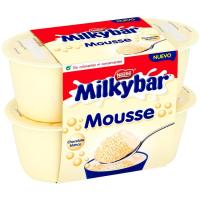
Examples found in ComerClaro Spanish product database
Product names and supermarket data may appear in Spanish.


Classification:
Statistics
153
total views
Something wrong?
If you notice incorrect or incomplete information, help us improve the platform.