Magnesium oxide
Score impact
0.00
points/product
Description
The food additive E530, known as magnesium oxide (MgO), is an inorganic compound used primarily as an anti-caking agent in the food industry. It is a white, fine, odorless, and tasteless powder that prevents clumping in powdered products. Magnesium oxide is produced industrially by calcining magnesium carbonate (MgCO3) or magnesium hydroxide (Mg(OH)2) at high temperatures (700-1000 °C). It can also be obtained from seawater or magnesium-rich brines.
Its physicochemical properties include high hygroscopicity (ability to absorb moisture), which gives it its anti-caking function. Additionally, it is a basic compound that can act as an acidity regulator. Magnesium oxide has been used for decades in the food and pharmaceutical industries.
In the European Union, it was approved as a food additive after evaluations by the European Food Safety Authority (EFSA) and the Joint FAO/WHO Expert Committee on Food Additives (JECFA). EFSA has established an Acceptable Daily Intake (ADI) of "not specified," meaning it is not considered a health risk at the levels used in foods.
The World Health Organization (WHO) also supports its safety. Regarding labeling, it must be listed as "magnesium oxide" or "E530" in the ingredient list.
In summary, E530 is a safe and effective additive widely used in the food industry to improve texture and prevent caking.
E530 is mainly used as an anti-caking agent in powdered foods, such as spices, baking mixes, powdered milk, cream substitutes, and food supplements. It can also be used as an acidity regulator and as a source of magnesium in fortified foods.
In the Spanish market, it is found in products such as powdered yeast, pudding and custard mixes, and magnesium supplements. According to Regulation EC 1333/2008, its use is authorized in various food categories with limits that vary by product: for example, in spices and seasonings up to 10 g/kg is allowed, while in food supplements it is used quantum satis (sufficient amount). Compared to the FDA, which also considers it GRAS (Generally Recognized As Safe), the EU sets more specific limits. In Japan, magnesium oxide is permitted as an anti-caking agent without quantitative restrictions in certain products.
Its versatility and safety profile make it a common choice in the industry.
Magnesium oxide (E530) is considered safe at the levels used in foods. EFSA and WHO have evaluated its safety and have not established a numerical ADI, as no significant adverse effects have been observed at current usage levels. However, excessive consumption (far above dietary doses) could cause laxative effects, diarrhea, or gastrointestinal discomfort, because high doses of magnesium have an osmotic effect in the intestine.
This is more relevant for magnesium supplements than for its use as an additive. Sensitive populations, such as people with kidney insufficiency, may have difficulty excreting excess magnesium, but the amounts present in foods are minimal.
No significant interactions with medications at dietary levels have been documented.
In conclusion, EFSA and WHO consider that E530 poses no health risk when used as a food additive within established limits.
- Magnesia
- Magnesium oxide (MgO)
- INS 530
- Calcined magnesia
- Burnt magnesia
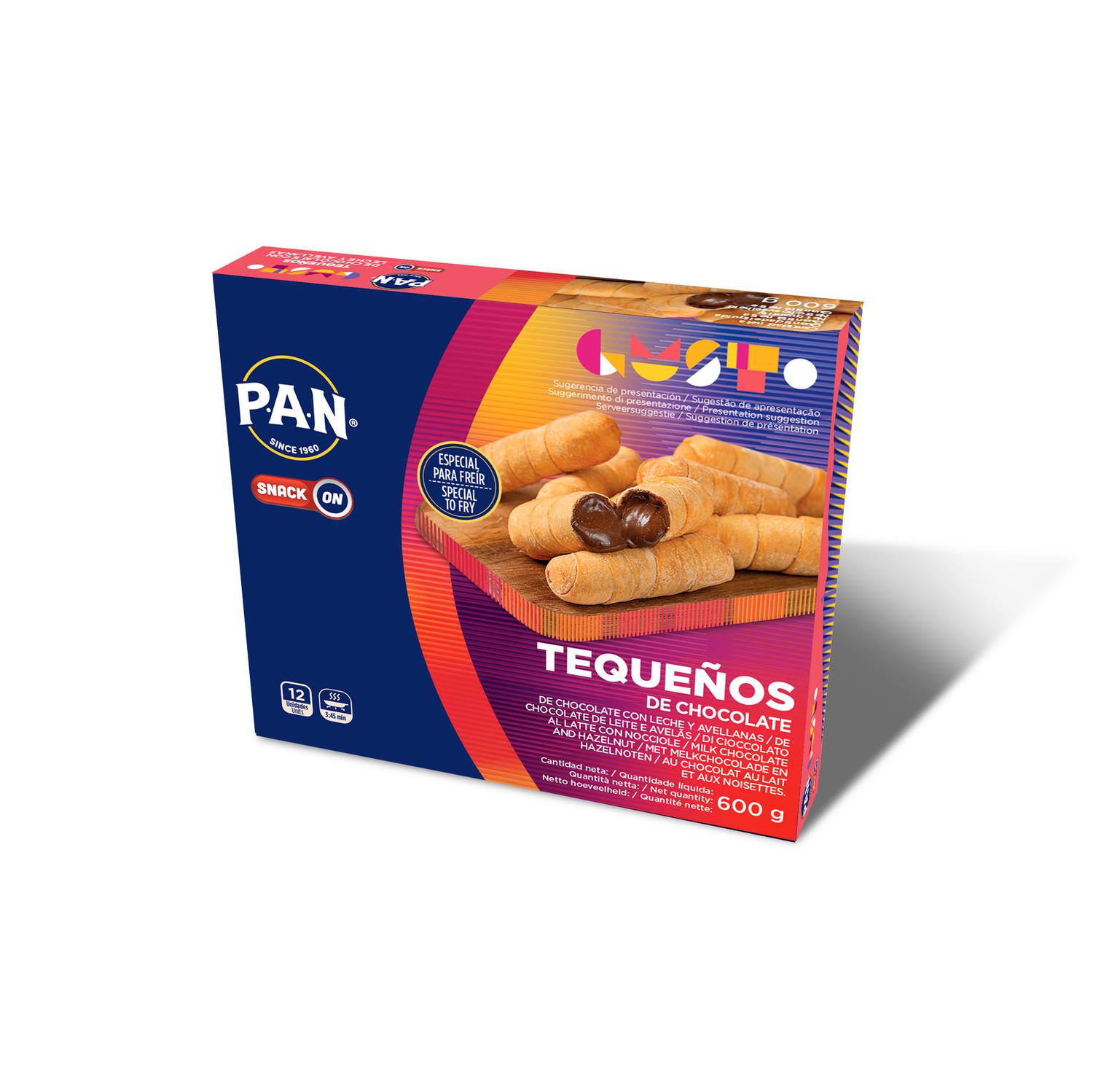
Products in our Spanish database containing this additive
Examples found in ComerClaro Spanish product database
Product names and supermarket data may appear in Spanish.

Classification:
Statistics
205
total views
Something wrong?
If you notice incorrect or incomplete information, help us improve the platform.