Sodium aluminium phosphate, acidic
Score impact
-0.30
points/product
Description
E541, known as sodium aluminium phosphate, acidic (SALP), is a food additive classified as a leavening agent. It is a double salt of aluminium and sodium with phosphoric acid, with an approximate chemical formula of NaAl3H14(PO4)8·4H2O. Industrially, it is obtained by the controlled reaction of aluminium hydroxide, phosphoric acid, and sodium carbonate, followed by crystallization and drying.
It appears as a white, odorless powder with a slightly acidic taste and is soluble in water. Its main function is to act as a leavening agent in baked doughs, releasing carbon dioxide when reacting with sodium bicarbonate in the presence of heat and moisture. This allows products such as sponge cakes, muffins, cookies, and baking mixes to acquire a fluffy texture.
Historically, the use of aluminium salts in food dates back to the early 20th century, and E541 was authorized in the European Union after evaluations by the Scientific Committee on Food (SCF) and subsequently by the European Food Safety Authority (EFSA). In its 2008 re-evaluation, EFSA established an Acceptable Daily Intake (ADI) for aluminium of 0.6 mg per kg of body weight per day, based on reproductive toxicity and neurotoxicity studies. The World Health Organization (WHO) and the Joint FAO/WHO Expert Committee on Food Additives (JECFA) have also evaluated aluminium, setting a weekly ADI of 2 mg/kg bw/week (equivalent to 0.286 mg/kg bw/day). Although E541 itself does not have a specific ADI, its safety is assessed within the group of additives that contribute aluminium.
The overall safety assessment is that, in authorized amounts and within a varied diet, E541 does not pose a significant health risk. However, moderation in the consumption of products containing it is recommended, especially in children and individuals with renal insufficiency. On labeling, it must appear as "sodium aluminium phosphate, acidic" or with its E number. European regulations (EC Regulation 1333/2008) limit its use to certain food categories with maximum levels of residual aluminium.
E541 is mainly used as a leavening agent in bakery and pastry products.
In the Spanish market, it is found in prepared mixes for sponge cakes, muffins, cookies, pancakes, and also in some batters and pizza doughs. According to EC Regulation 1333/2008, its use is authorized in "fine bakery wares" (category 07.1) and "cocoa and chocolate products" (category 05.1) with a maximum aluminium limit of 30 mg/kg in the final product. In "cookies" (category 07.2.1) the limit is 20 mg/kg. In "cakes" (category 07.2.2) the limit is 30 mg/kg. These limits are expressed as residual aluminium, not as the amount of added additive.
In the United States, the FDA considers it GRAS (Generally Recognized as Safe) when used according to good manufacturing practices, without a specific numerical limit. In Japan, its use is permitted but with restrictions similar to those in Europe. Comparatively, the EU is more restrictive by setting maximum aluminium limits in foods.
Examples of Spanish products that may contain E541: cake mixes from brands such as Hacendado, Gallo, or Harina de Maíz Pan; some digestive-type cookies; and industrial puff pastry doughs.
The documented adverse effects of E541 are related to aluminium intake. Aluminium can accumulate in the body, especially in bones and the nervous system. Animal studies have shown neurotoxicity and reproductive effects at high doses. In humans, chronic exposure to high levels of aluminium has been associated with bone and neurological diseases, such as encephalopathy in patients with renal insufficiency undergoing dialysis. However, for the general population, aluminium intake from additives like E541 is low and not considered a significant risk.
EFSA concluded that dietary exposure to aluminium does not exceed the ADI in most population groups, although young children may be close to the limit due to their lower body weight. No interactions with medications at dietary levels have been documented. Sensitive populations include individuals with chronic kidney disease, as they eliminate aluminium more slowly. WHO and EFSA agree that, respecting the established limits, E541 is safe. There is no evidence that it causes cancer or allergies.
In conclusion, side effects are minimal in the context of a balanced diet, but moderation in products containing this additive is recommended, especially for children.
- SALP
- Aluminium sodium phosphate, acidic
- Sodium aluminium phosphate
- acidic
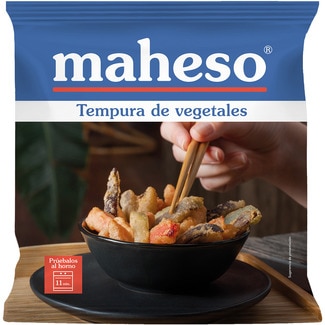
Products in our Spanish database containing this additive
Examples found in ComerClaro Spanish product database
Product names and supermarket data may appear in Spanish.

Classification:
Statistics
206
total views
Something wrong?
If you notice incorrect or incomplete information, help us improve the platform.