Silicon dioxide
Score impact
0.00
points/product
Description
Silicon dioxide (E551) is a food additive primarily used as an anti-caking agent to prevent powdered products from clumping. It is a natural inorganic compound found in sand and quartz, but the one used in food is synthetic, obtained through precipitation or pyrolysis processes.
Industrially, it is produced from sodium silicate or by hydrolysis of silicon tetrachloride at high temperature. The result is a fine, white, amorphous (non-crystalline), odorless, and tasteless powder with a high specific surface area and moisture absorption capacity. Its main function is to coat food particles, reducing friction and preventing lump formation.
E551 was approved as a food additive in the European Union after evaluations by EFSA (European Food Safety Authority) and WHO. EFSA has established an Acceptable Daily Intake (ADI) of 20 mg/kg body weight per day, based on toxicological studies that showed no significant adverse effects. WHO also considers it safe at the amounts used.
Regarding labeling, it must appear in the ingredient list as 'silicon dioxide' or 'E551'. The food safety of E551 is supported by decades of use with no evidence of toxicity in humans at permitted doses. However, there is controversy about the possible presence of nanoparticles, as silicon dioxide may contain nanometric fractions. EFSA has evaluated this aspect and concludes that, under current conditions of use, it does not pose a health risk, although it recommends further research.
E551 is used in a wide variety of powdered foods to prevent agglomeration. The main categories include: spices and seasonings, salt, salt substitutes, powdered sugar, baking mixes, dehydrated soups and broths, powdered creams, instant coffee, cocoa powder, powdered dairy products (such as milk powder), and food supplements.
In the Spanish market, it is found in brands such as Carrefour, Hacendado, Gallo (in their soups), and in Carmencita spices. Regulation EC 1333/2008 sets maximum limits: for example, 10 g/kg in spices and seasonings, 10 g/kg in salt and substitutes, and 10 g/kg in cocoa and chocolate products. In comparison, the FDA in the United States also considers it GRAS (Generally Recognized as Safe) with no specific limits but with good manufacturing practices. Japan allows it with restrictions similar to the EU. Additionally, it is used in the pharmaceutical and cosmetic industries as an excipient.
Documented adverse effects of E551 are rare and generally associated with exposures much higher than those allowed in foods. Animal studies have shown that very high doses (above 1000 mg/kg/day) can cause kidney inflammation or stone formation, but these levels are not achievable through the human diet. In humans, no significant side effects have been reported from consuming foods containing E551.
The biological mechanism is mainly physical: silica particles are not absorbed in the gastrointestinal tract and are eliminated unchanged. Sensitive populations could be people with chronic kidney failure, as silicon accumulation could be problematic, but there is no conclusive evidence. No interactions with medications are known. EFSA and WHO conclude that E551 is safe at the amounts used, and the ADI of 20 mg/kg/day is widely safe. The controversy over nanoparticles has led to additional studies; EFSA in 2018 evaluated that exposure to silica nanoparticles through the diet is low and does not pose a health risk.
In summary, for the average consumer, E551 is safe and produces no adverse effects.
- Silica
- Silicic acid
- Amorphous silica
- Amorphous silicon dioxide
- Silica
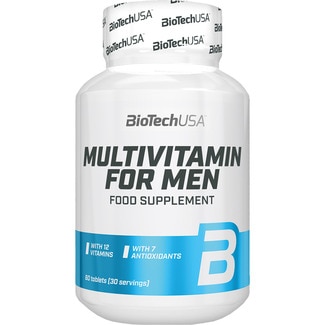
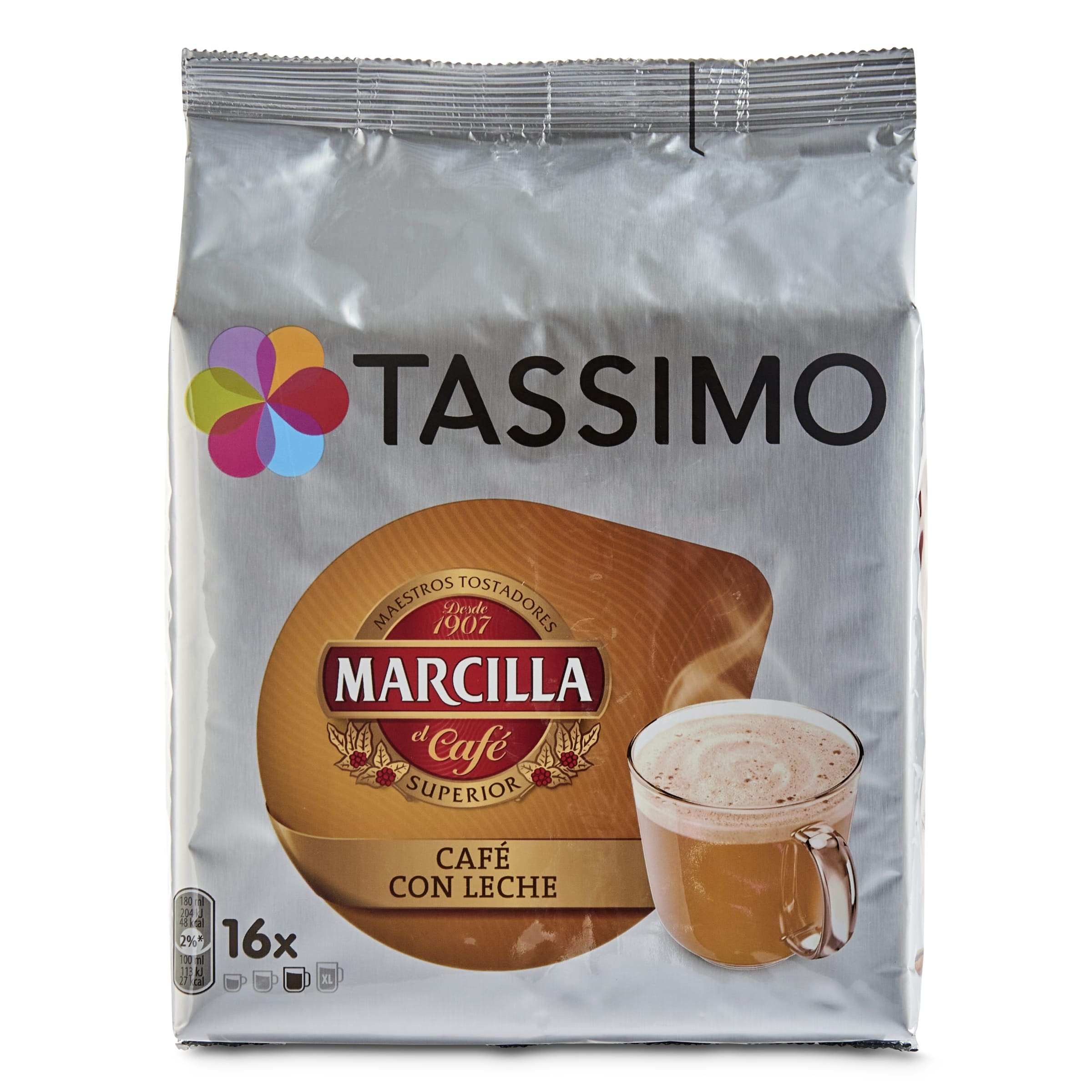
Products in our Spanish database containing this additive
Examples found in ComerClaro Spanish product database
Product names and supermarket data may appear in Spanish.

Classification:
Statistics
252
total views
Something wrong?
If you notice incorrect or incomplete information, help us improve the platform.