Talc
Score impact
0.00
points/product
Description
The food additive E553B, commonly known as talc, is a natural mineral composed mainly of hydrated magnesium silicate (Mg3Si4O10(OH)2). It is obtained from talc rocks, which are extracted, crushed, ground, and purified through physical processes such as flotation or air separation to remove impurities like asbestos, quartz, or carbonates.
The final product is a white or grayish powder, insoluble in water, with lubricating and anti-adherent properties. Its main function as a food additive is as an anticaking agent, preventing powdered foods from forming lumps and improving their flowability. It is also used as a coating agent in chewing gums and as a carrier for colorants. Talc has been used in the food industry for decades.
In the European Union, it was authorized as a food additive after evaluations by the European Food Safety Authority (EFSA) and the Joint FAO/WHO Expert Committee on Food Additives (JECFA). EFSA established an Acceptable Daily Intake (ADI) of 0.8 mg/kg body weight for talc, based on oral toxicity studies. WHO/JECFA did not establish a numerical ADI, considering talc safe at current usage levels. The overall safety assessment is favorable, provided that purity specifications are met (asbestos-free and low heavy metal content).
On labeling, it must appear as 'talc' or 'E553B' in the ingredient list. The food safety of talc has been supported by multiple evaluations, although controversies persist regarding the possible presence of asbestos in non-food talc, which has led to strict quality controls.
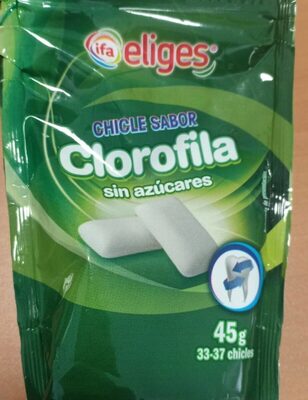
E553B is mainly used as an anticaking agent in powdered foods, such as baking mixes, cocoa powder, milk powder, cocoa creams, dehydrated sauces, instant soups, and dietary supplements. It is also used as a coating agent in chewing gums and candies, and as a carrier for colorants in some products.
In the Spanish market, it is found in brands such as Hacendado (cocoa powder), Gallo (baking mixes), and Nestlé (instant soups). Regulation EC 1333/2008 authorizes its use in various food categories with maximum limits that vary: for example, in cocoa powder and baking mixes up to 5 g/kg, in chewing gums up to 20 g/kg, and in food supplements up to 30 g/kg. In the United States, the FDA considers it GRAS (Generally Recognized as Safe) for similar uses, without specific limits, but with purity requirements. In Japan, talc is permitted as an anticaking agent in certain foods, with limits similar to European ones.
The comparison shows global harmonization regarding its safety, although maximum doses may differ slightly.
Documented adverse effects of food-grade talc are scarce and generally associated with very high exposures or contamination with asbestos. EFSA, in its 2017 evaluation, concluded that talc does not present genotoxicity or carcinogenicity in animal studies, and that observed adverse effects (such as lung granulomas from inhalation) are not relevant for the oral route. In humans, ingestion of high doses of talc may cause mild gastrointestinal irritation, but no significant chronic effects have been reported at authorized usage levels.
The biological mechanism of talc is mainly physical: it is not absorbed in the gastrointestinal tract and is excreted unchanged. Sensitive populations include people with pre-existing gastrointestinal disorders, although there is no evidence of specific risks. No interactions with medications are known. WHO/JECFA, in its 2006 evaluation, considered talc safe at current usage levels, without the need to establish a numerical ADI. The main controversy lies in possible contamination with asbestos, but EU specifications require that food-grade talc be free of asbestos fibers detectable by microscopy.
In conclusion, E553B is considered safe for the average consumer when used in accordance with good manufacturing practices.
- Hydrated magnesium silicate
- Food-grade talc
- Purified talc
Products in our Spanish database containing this additive
Examples found in ComerClaro Spanish product database
Product names and supermarket data may appear in Spanish.


Classification:
Statistics
267
total views
Something wrong?
If you notice incorrect or incomplete information, help us improve the platform.