L-leucine
Score impact
0.00
points/product
Description
L-leucine (E641) is an essential branched-chain amino acid (BCAA) that the human body cannot synthesize and must obtain from the diet. As a food additive, it is mainly used to improve the nutritional profile of foods and beverages, especially in products intended for athletes, the elderly, or those with special metabolic needs. Industrially, L-leucine is obtained by microbial fermentation using genetically modified strains of Corynebacterium glutamicum or Escherichia coli, or by enzymatic hydrolysis of proteins. It can also be produced by chemical synthesis, although fermentation is the most common route. It is a white or almost white crystalline powder, odorless, with a slightly bitter taste.
Its melting point is approximately 293 °C (decomposition). It is soluble in water (approx. 24 g/L at 25 °C) and practically insoluble in ethanol and ether. Its main function is as a source of essential amino acids, contributing to protein synthesis, glucose regulation, and stimulation of muscle protein synthesis.
L-leucine was authorized as a food additive in the European Union after evaluation by EFSA, which included it in Regulation (EC) No 1333/2008. EFSA has evaluated the safety of L-leucine on several occasions, most recently in 2012, concluding that there are no safety concerns at the proposed use levels and that it is not necessary to establish a numerical acceptable daily intake (ADI), as the estimated exposure is well below levels that could cause adverse effects. The World Health Organization (WHO) also considers it safe.
Regarding labeling, it must be listed as 'L-leucine' or 'E641' in the ingredient list. No significant adverse effects in humans have been reported at the doses used in foods.
In summary, L-leucine is a safe and beneficial additive for health when consumed within established limits.
L-leucine (E641) is used in a variety of food categories, mainly in products intended for sports nutrition, dietary supplements, foods for special dietary regimens (such as weight loss diets or for the elderly), and dairy products and derivatives.
In the Spanish market, it is commonly found in protein bars, protein shakes, isotonic drinks, enriched yogurts, and enteral nutrition formulas. According to Regulation (EC) No 1333/2008, L-leucine is authorized without specific quantitative limits (quantum satis) in most categories, provided good manufacturing practices are followed. In the United States, the FDA recognizes it as GRAS (Generally Recognized as Safe) for similar uses. In Japan, it is also approved as a food additive.
There are no significant differences in use limits between these regions, as all are based on safety assessments concluding no risk at typical consumption levels.
L-leucine (E641) is generally well tolerated, and no significant adverse effects in humans have been documented at the doses used in foods. Human studies with supplemental doses up to 500 mg/kg body weight per day have shown no toxic effects. At very high doses (above 500 mg/kg/day), isolated cases of mild gastrointestinal discomfort, such as nausea or diarrhea, have been reported, but these levels are far higher than those achieved through food consumption.
The biological mechanism of L-leucine involves activation of the mTOR pathway, which regulates protein synthesis and cell growth. No specific sensitive populations have been identified, although individuals with disorders of branched-chain amino acid metabolism (such as maple syrup urine disease) should avoid its consumption. No significant interactions with medications are known.
EFSA and WHO conclude that L-leucine is safe under authorized conditions of use, and no numerical ADI has been established due to the wide margin of safety.
- 2-amino-4-methylpentanoic acid
- (S)-2-amino-4-methylpentanoic acid
- L-2-amino-4-methylpentanoic acid
- Leucine
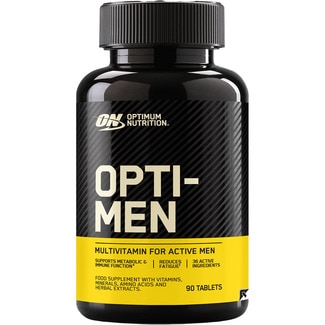
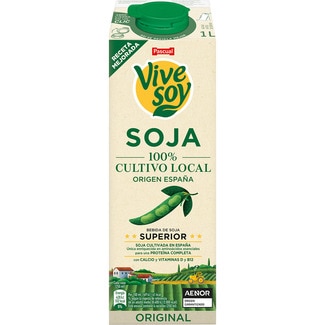
Products in our Spanish database containing this additive
Examples found in ComerClaro Spanish product database
Product names and supermarket data may appear in Spanish.

Classification:
Statistics
205
total views
Something wrong?
If you notice incorrect or incomplete information, help us improve the platform.