Shellac
Score impact
0.00
points/product
Description
Shellac (E904) is a food additive classified as a coating and glazing agent. It is obtained from the resinous secretion of the insect Kerria lacca, which inhabits forests in India and Thailand.
Industrially, the crude resin is collected from branches, crushed, washed, and purified by dissolution in ethanol and filtration. The final product is a brittle solid ranging from yellow to orange, insoluble in water but soluble in alcohol. Its main function is to provide shine and protect the surface of foods such as confectionery, chocolates, nuts, and dietary supplements.
Historically, shellac has been used for centuries as a varnish and sealant. In the European Union, it was authorized as a food additive after evaluations by EFSA and WHO. EFSA established an Acceptable Daily Intake (ADI) of 0-2 mg/kg body weight in 2018, based on toxicological studies that showed no significant adverse effects. WHO also considers it safe at the levels used.
Regarding labeling, it must be declared as 'shellac' or 'E904' in the ingredient list. Although of animal origin, it is not considered a common allergen. The food safety of shellac is supported by decades of use without reported incidents. However, some controversies arise from its insect origin, which may be relevant for vegans or certain religious practices.
Overall, EFSA concludes that there are no health risks at the authorized use levels.
Shellac is mainly used as a coating and glazing agent in foods. According to EC Regulation 1333/2008, it is authorized in several categories: confectionery (chewing gum, hard and soft candies, breath mints), chocolates and cocoa products, processed nuts (peanuts, almonds), coffee beans, dietary supplements, and certain fine bakery products.
In the Spanish market, it is common to find shellac in candy-coated chocolates, chocolate dragées, coated nuts (such as praline almonds), and the shiny coating of some candies. Authorized limits vary by product: for example, in confectionery up to 2 g/kg is allowed (quantum satis in some cases), while in dietary supplements it is used as a tablet coating. Comparatively, the FDA also approves shellac as a direct food additive (21 CFR 73.1) with similar restrictions. In Japan, it is permitted under the name 'shellac'. The versatility of shellac is due to its ability to form thin, shiny, and moisture-resistant films, which extends shelf life and improves product appearance.
Toxicological studies on shellac have not documented significant adverse effects in humans at the levels used. EFSA, in its 2018 re-evaluation, analyzed acute, subchronic, and chronic oral toxicity studies in animals without finding relevant effects. No cases of allergy or intolerance attributable to E904 have been reported in the general population. However, being a product of animal origin, it could contain traces of insect proteins, which theoretically could trigger reactions in people with severe insect allergies, although there is no documented evidence.
No interactions with medications are known. The ADI of 2 mg/kg/day established by EFSA includes a wide safety margin. WHO also concludes that there are no safety concerns. In conclusion, shellac is considered safe for human consumption at authorized levels. Nevertheless, some people may choose to avoid it for ethical or dietary reasons (veganism, kosher, halal), as its insect origin may not be accepted in certain practices.
EFSA has not identified health risks, and its use is supported by a long history of safe consumption.
- Shellac
- Lacca
- White shellac
- Orange shellac
- Lac resin
Products in our Spanish database containing this additive
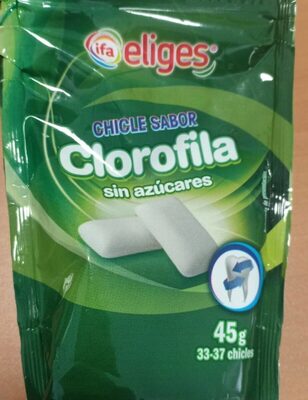
Examples found in ComerClaro Spanish product database
Product names and supermarket data may appear in Spanish.


Classification:
Statistics
322
total views
Something wrong?
If you notice incorrect or incomplete information, help us improve the platform.