Acesulfame K
Score impact
-0.50
points/product
Description
E950, known as acesulfame potassium or acesulfame K, is an intense artificial sweetener, approximately 200 times sweeter than sucrose. It belongs to the sweetener category and is widely used in the food industry to provide sweetness without adding calories. It was discovered in 1967 by German chemist Karl Clauss and first approved in the European Union in 1983.
Its industrial production is based on the reaction of acetoacetic acid with sulfonyl fluoride, followed by neutralization with potassium hydroxide, yielding a white, odorless crystalline powder that is highly soluble in water. Chemically, it is the potassium salt of 6-methyl-1,2,3-oxathiazine-4(3H)-one-2,2-dioxide.
It is heat-stable, allowing its use in baked goods, and is not metabolized in the body, being excreted unchanged in urine. The European Food Safety Authority (EFSA) has evaluated acesulfame K several times, establishing an Acceptable Daily Intake (ADI) of 9 mg/kg body weight.
The World Health Organization (WHO) has also evaluated it and supports this ADI. Toxicological studies have shown no significant adverse effects in humans within the established limits. Regarding labeling, it must appear in the ingredient list as 'sweetener: acesulfame K' or 'E950'. Despite its safety, there have been controversies about possible carcinogenic effects in rat studies in the 1970s, but subsequent studies did not confirm these findings. EFSA and other international agencies consider it safe for human consumption in authorized amounts.
It is important to note that acesulfame K is not suitable for people with phenylketonuria, as it does not contain phenylalanine, unlike aspartame. In summary, E950 is a widely used food additive with a well-established safety profile supported by major health authorities.
Acesulfame K is used in a wide variety of foods and beverages as a tabletop sweetener, in sugar-free soft drinks, dairy products, desserts, confectionery, chewing gum, ice cream, sauces, and bakery products.
In the Spanish market, it is commonly found in light beverages such as Coca-Cola Zero, in low-fat yogurts, sugar-free gelatin, and sugar-free chewing gum. Regulation EC 1333/2008 sets maximum usage limits that vary by food category; for example, in non-alcoholic beverages the limit is 350 mg/L, in dairy desserts 350 mg/kg, and in chewing gum 2000 mg/kg. In the United States, the FDA approved it in 1988 for similar uses, with an ADI of 15 mg/kg, although the EU maintains 9 mg/kg.
In Japan, its use is permitted but with additional restrictions. The versatility of acesulfame K is due to its thermal stability and synergy with other sweeteners such as aspartame or sucralose, allowing reduced amounts and improved flavor profile.
Scientific studies have not documented significant adverse side effects in humans when consumed within the established ADI (9 mg/kg/day). Acesulfame K is not metabolized, so it does not provide calories or affect insulin levels.
In animal studies, very high doses (equivalent to hundreds of times the ADI) have shown a possible increase in tumors in rats, but these results have not been replicated in humans and EFSA concludes there is no carcinogenic risk for consumers.
Some individuals may experience individual sensitivity, such as headaches or allergic reactions, but these are rare cases and not supported by strong evidence. No interactions with medications have been identified. Sensitive populations, such as people with chronic kidney disease, should exercise caution due to the potassium content, although amounts in foods are low. In conclusion, EFSA and WHO consider acesulfame K safe under authorized conditions of use.
- Acesulfame potassium
- Acesulfame K
- Acesulfame potassium salt
- Sunett
- Sweet One
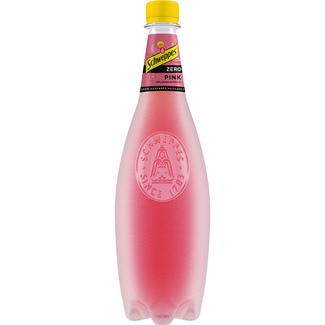
Products in our Spanish database containing this additive
Examples found in ComerClaro Spanish product database
Product names and supermarket data may appear in Spanish.


Classification:
Statistics
342
total views
Something wrong?
If you notice incorrect or incomplete information, help us improve the platform.