Lysozyme
Score impact
0.00
points/product
Description
The food additive E1105, known as lysozyme, is a natural preservative belonging to the enzyme group. It is mainly obtained from chicken egg white, although it can also be extracted from other sources such as human milk or certain bacteria. Industrially, lysozyme is produced through extraction and purification processes from egg white, followed by freeze-drying to obtain a stable powder.
It is an enzyme (muramidase) that hydrolyzes the glycosidic bonds in the cell wall of Gram-positive bacteria, causing their lysis and death. This property gives it its preservative action, especially effective against bacteria such as Clostridium tyrobutyricum, responsible for late blowing in cheeses.
Lysozyme was discovered by Alexander Fleming in 1922 and approved as a food additive in the European Union in the 1990s. The European Food Safety Authority (EFSA) has evaluated its safety on several occasions, most recently in 2016, establishing an Acceptable Daily Intake (ADI) of 0.3 mg/kg body weight per day. The World Health Organization (WHO) has also evaluated it, considering it safe under authorized conditions of use.
Regarding food safety, lysozyme is classified as a safe additive, although it may cause allergic reactions in people allergic to eggs, as it may contain traces of egg proteins. Therefore, its labeling must include an allergen warning according to Regulation (EU) 1169/2011.
Globally, lysozyme is considered an effective and safe preservative with a favorable toxicological profile. On product labels, it appears as 'lysozyme' or 'E1105'.
Lysozyme is mainly used in the cheese industry to prevent late blowing caused by butyric acid bacteria, especially in hard and semi-hard cheeses such as Emmental, Gouda, Edam, and Manchego cheese. It is also used in wines to control unwanted lactic acid bacteria, and to a lesser extent in meat and fishery products.
In the Spanish market, it is common to find lysozyme in aged and semi-aged cheeses, as well as in some white wines and cavas. According to Regulation (EC) 1333/2008, the maximum authorized dose in cheeses is 25 mg/kg (expressed as lysozyme), and in wines 500 mg/L (as lysozyme). In comparison with the FDA, the United States does not have specific regulation for lysozyme as a direct additive, but its use as a processing aid in cheese making is permitted. In Japan, lysozyme is approved as a preservative in cheeses and other products.
EFSA has established exposure limits that do not pose a health risk, provided that the authorized doses are respected.
Documented adverse effects of lysozyme are mainly limited to allergic reactions in people with egg allergy. Since commercial lysozyme is obtained from egg white, it may contain traces of allergenic proteins. Clinical studies have shown that even small amounts can trigger symptoms in sensitized individuals, ranging from urticaria to anaphylaxis. The biological mechanism involves IgE binding to egg proteins present in the additive. Therefore, EFSA recommends that products containing lysozyme include a warning on the label for egg-allergic individuals.
No significant toxic effects have been reported in the general population at authorized use levels. The ADI of 0.3 mg/kg/day provides a wide safety margin. No relevant drug interactions are known. In conclusion, for most consumers, lysozyme is safe, but it should be avoided by people allergic to eggs.
WHO and EFSA agree that there is no evidence of carcinogenicity, mutagenicity, or reproductive toxicity.
- Muramidase
- Egg white lysozyme
- Lysozyme
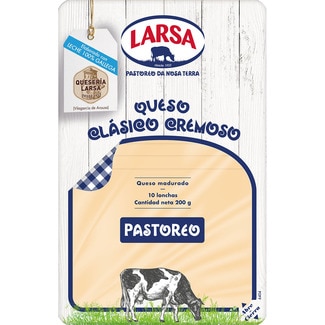
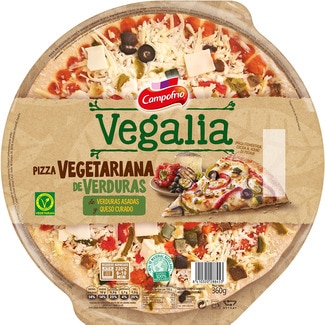
Products in our Spanish database containing this additive
Examples found in ComerClaro Spanish product database
Product names and supermarket data may appear in Spanish.

Classification:
Statistics
197
total views
Something wrong?
If you notice incorrect or incomplete information, help us improve the platform.