Carminic acid; Carmine
Score impact
-0.30
points/product
Description
The food additive E120, known as carminic acid or carmine, is a natural red colorant obtained from the cochineal insect (Dactylopius coccus), which inhabits cacti in regions such as Peru and the Canary Islands. Industrially, dried females are treated with alkaline aqueous solutions to extract carminic acid, which is then precipitated with aluminum or calcium salts to form the pigment.
Carmine is an aluminum or calcium complex of carminic acid, soluble in water and stable to light and heat. Its main function is to provide an intense red color to foods and beverages. Historically, it was used by the Aztecs and has been approved in the EU since the beginning of additive regulations. EFSA re-evaluated its safety in 2015, establishing an Acceptable Daily Intake (ADI) of 5 mg/kg body weight/day (expressed as carminic acid).
WHO has also evaluated it, confirming the ADI. The food safety of E120 is considered acceptable at authorized levels, although specific labeling is required to inform sensitive consumers. In the EU, it must be declared as 'colorant: carmine' or 'E120' in the ingredient list.
It is important to note that, being of animal origin, it is not suitable for vegan or vegetarian diets. EFSA states that there is no evidence of genotoxicity or carcinogenicity in animal studies. However, rare cases of allergic reactions have been reported, so caution is recommended in people with known allergies.
E120 is used in a wide variety of food categories, such as meat products (sausages, frankfurters), smoked fish, alcoholic beverages (liqueurs, vermouths), soft drinks, yogurts, ice cream, confectionery (gummies, candies), sauces, and desserts.
In the Spanish market, it is found in brands such as 'La Piara' (sausages), 'Danone' (strawberry yogurts), 'Coca-Cola' (some soft drinks), and 'Haribo' (gummies). Authorized limits vary by product according to EC Regulation 1333/2008: for example, up to 100 mg/kg in meat products, 200 mg/kg in alcoholic beverages, and 150 mg/kg in confectionery. In comparison, the FDA allows its use without a specific limit (GRAS) in the US, while Japan authorizes it with restrictions similar to the EU.
It is important to note that carmine is not allowed in organic foods in some countries.
Documented adverse effects of E120 are rare but include allergic reactions such as urticaria, angioedema, rhinitis, and in extreme cases, anaphylaxis. Some cases have been reported in medical literature, especially in people with allergy to insect proteins. The proposed biological mechanism is an IgE-mediated immune reaction against residual cochineal proteins present in the colorant. Sensitive populations include people with known allergies to insects or mites. No drug interactions have been documented.
EFSA concludes that for the general population, E120 does not pose a significant risk at current usage levels, but recommends clear labeling to inform allergic consumers. WHO agrees that the ADI is safe.
There is no evidence of carcinogenic, genotoxic, or teratogenic effects in animal studies.
- Carminic acid
- Cochineal carmine
- Natural Red 4
- C.I. 75470
- Cochineal extract
- Aluminum carmine
- Calcium carmine
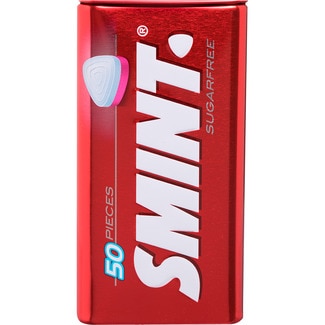
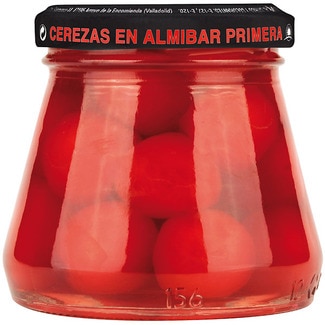
Products in our Spanish database containing this additive
Examples found in ComerClaro Spanish product database
Product names and supermarket data may appear in Spanish.

Classification:
Statistics
433
total views
Something wrong?
If you notice incorrect or incomplete information, help us improve the platform.