Azorubine Carmoisine
Score impact
-0.60
points/product
Description
E122, known as Azorubine or Carmoisine, is a synthetic red to maroon food colorant belonging to the group of azo dyes. It is obtained industrially by diazotization of 4-aminonaphthalene-1-sulfonic acid and subsequent coupling with 2-naphthol-6-sulfonic acid, followed by purification and drying. Chemically, it is the disodium salt of 4-hydroxy-3-(4-sulfonato-1-naphthylazo)naphthalene-1-sulfonic acid. It is soluble in water, slightly soluble in ethanol, and exhibits high stability to light, heat, and pH changes, although it may decolorize in the presence of reducing agents.
Its main function is to provide an intense red or orange color to foods, often combined with other colorants to obtain specific shades. The history of its use as a food additive dates back to the early 20th century, and it was approved in the European Union following Directive 94/36/EC, currently regulated by Regulation (EC) 1333/2008. The European Food Safety Authority (EFSA) has evaluated E122 several times, establishing an Acceptable Daily Intake (ADI) of 4 mg/kg body weight in its 2009 re-evaluation.
The World Health Organization (WHO), through the Joint FAO/WHO Expert Committee on Food Additives (JECFA), has also set an ADI of 4 mg/kg bw. Regarding food safety, E122 is considered safe at authorized use levels, although possible adverse reactions in sensitive individuals have been noted.
In EU labeling, it must be declared by its name or E number, and in some countries a warning about possible adverse effects on activity and attention in children is required (although this warning is not mandatory in the EU for E122). Globally, its safety assessment is favorable within established limits, but moderation in consumption of foods with artificial colorants is recommended, especially in children.
E122 is mainly used in the food industry to color red or orange products. According to Regulation (EC) 1333/2008, it is authorized in numerous food categories, such as non-alcoholic beverages (up to 50 mg/L), confectionery products (up to 300 mg/kg), ice cream (up to 150 mg/kg), desserts (up to 150 mg/kg), sauces and condiments (up to 500 mg/kg), and processed meat products (up to 100 mg/kg).
In the Spanish market, it is commonly found in red fruit soft drinks, hard and soft candies, strawberry jellies, flavored yogurts, jams, and some sausages such as Frankfurt-type sausages. It is also used in fine bakery products and cake coatings. Comparatively, the US FDA does not allow the use of Azorubine in foods, although it is approved in other countries such as the United Kingdom and Australia. In Japan, its use is restricted to certain products. Maximum limits vary by category, with the highest for sauces and condiments (500 mg/kg) and the lowest for beverages (50 mg/L).
It is important to note that E122 is not authorized in foods for infants and young children.
Documented side effects of E122 mainly focus on hypersensitivity reactions in susceptible individuals. Clinical studies have reported cases of urticaria, angioedema, rhinitis, and asthma after ingestion of foods containing Azorubine, although the incidence is low.
The proposed biological mechanism involves histamine release by mast cells, possibly through a non-IgE-mediated allergic reaction. Sensitive populations include individuals with aspirin (NSAID) intolerance or with azo dye intolerance syndrome, who may also react to E102 (Tartrazine) and E110 (Sunset Yellow).
No significant interactions with medications have been documented, although caution is recommended in patients treated with antihistamines. EFSA, in its 2009 re-evaluation, concluded that E122 is not genotoxic or carcinogenic, and that adverse effects observed in animal studies (such as decreased body weight) occur at doses much higher than the ADI.
WHO/JECFA also considers it safe at use levels. However, a study from the University of Southampton (2007) suggested a possible link between consumption of mixtures of colorants (including E122) and increased hyperactivity in children, leading the EU to require a warning on products containing certain colorants, although E122 is not included in that list.
In conclusion, for the general population, E122 is safe within established limits, but individuals with known sensitivity should avoid it.
- Azorubine
- Carmoisine
- Azorubine S
- CI 14720
- Food Red 3
- Acid Red 14
- SX Purple
- L-Red #3
- Carmoisine aluminum lake
- Synthetic red colorant
- Carmoisine
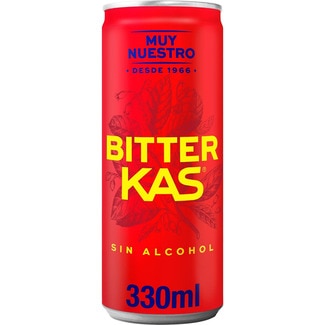
Products in our Spanish database containing this additive
Examples found in ComerClaro Spanish product database
Product names and supermarket data may appear in Spanish.


Classification:
Statistics
236
total views
Something wrong?
If you notice incorrect or incomplete information, help us improve the platform.