Indigotine; Indigo carmine
Score impact
-0.30
points/product
Description
The food additive E132, known as indigotine or indigo carmine, is a synthetic blue colorant. It belongs to the group of azo colorants, although its chemical structure is sodium indigotindisulfonate. It is obtained industrially by sulfonation of natural indigo (extracted from plants of the genus Indigofera) or, more commonly, by chemical synthesis from aniline and sulfuric acid. The process includes condensation of aniline with chloroacetic acid, followed by alkaline fusion and oxidation, then sulfonation of the resulting indigo.
The final product is a water-soluble sodium salt with the chemical formula C16H8N2Na2O8S2. It appears as a dark blue powder or granules, with a hue that varies with pH: in acidic medium it is blue, in alkaline medium it turns green or yellow. It is stable to light, heat, and acids, but decolorizes in the presence of reducing agents. Its main function is to provide blue color to foods, alone or in combination with other colorants to obtain green, purple, or black shades.
The history of indigo as a colorant dates back to antiquity, but its use in food was approved in the European Union following Directive 94/36/EC, currently regulated by Regulation (EC) 1333/2008. The European Food Safety Authority (EFSA) has evaluated E132 several times, most recently in 2010, establishing an Acceptable Daily Intake (ADI) of 5 mg/kg body weight.
The World Health Organization (WHO), through the Joint FAO/WHO Expert Committee on Food Additives (JECFA), also set the same ADI in 1975, later confirmed. Both agencies conclude that, within the established limits, E132 poses no significant health risks. However, some animal studies have suggested possible adverse effects at very high doses, such as alterations in gut microbiota or mild changes in kidney function, but these have not been confirmed in humans.
Regarding labeling, it must appear as "colorant" or "indigotine" (or "indigo carmine") with its E number. In the European Union, its use is permitted in a wide variety of foods, with maximum limits ranging from 50 to 500 mg/kg depending on the category.
Overall, it is considered a safe additive for the general population, although caution is recommended in people with sensitivity to azo colorants, even though E132 is not a typical azo compound. The food safety of E132 is supported by decades of use and rigorous toxicological evaluations.
E132 is mainly used in the food industry to color products blue or to adjust shades in combination with other colorants. According to Regulation (EC) 1333/2008, it is authorized in numerous food categories.
Common examples in the Spanish market include: soft drinks (such as some brands of gin or blue liqueurs), confectionery (gummies, candies, chewing gum), ice cream, dairy desserts (flavored yogurts), sauces (such as mint sauce), canned peas (to enhance green color), and fine bakery products. Maximum limits vary: in non-alcoholic beverages up to 100 mg/L, in confectionery up to 300 mg/kg, in ice cream up to 150 mg/kg, and in canned peas up to 500 mg/kg. Compared to the US FDA, E132 is approved as FD&C Blue No. 2, with similar but not identical limits. Japan also permits it as a food colorant.
The versatility of E132 makes it popular for achieving bright colors in products aimed at children, although its use has slightly decreased due to the trend toward natural colorants.
Documented side effects of E132 are rare and generally mild. EFSA and JECFA have evaluated its safety and conclude that, at authorized doses, it poses no health risk. Animal studies with very high doses (above 100 mg/kg/day) have shown a slight decrease in body weight and changes in kidney function, but these effects have not been observed in humans. No genotoxicity or carcinogenicity has been demonstrated. In sensitive individuals, especially those with aspirin allergy or asthma, isolated cases of urticaria or skin reactions have been reported, although the evidence is weak.
The biological mechanism is unclear, but it may be related to histamine release. No interactions with medications are known. The ADI of 5 mg/kg/day is widely safe; for example, a 20 kg child could consume up to 100 mg per day without risk, an amount far above typical intake. EFSA, in its 2010 re-evaluation, identified no significant adverse effects and confirmed the existing ADI.
In conclusion, E132 is considered safe for the general population, although moderation is recommended in individuals with known hypersensitivity to colorants.
- Indigotine
- Indigo carmine
- FD&C Blue No. 2
- Indigotine
- Acid Blue 74
- C.I. 73015
- Indigo carmine
Products in our Spanish database containing this additive
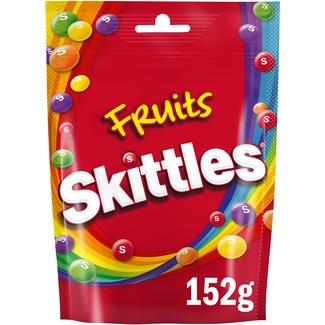
Examples found in ComerClaro Spanish product database
Product names and supermarket data may appear in Spanish.

Classification:
Statistics
243
total views
Something wrong?
If you notice incorrect or incomplete information, help us improve the platform.