Chlorophylls and Chlorophyllins
Score impact
0.00
points/product
Description
The food additive E140, known as Chlorophylls and Chlorophyllins, is a natural green colorant obtained from plants such as alfalfa, nettle, spinach, and other chlorophyll-rich plant sources. Industrially, it is extracted using organic solvents (like acetone or ethanol) and then purified. Chlorophylls are natural pigments present in plant chloroplasts, while chlorophyllins are their water-soluble derivatives obtained by saponification.
This additive comes in two forms: E140(i) (chlorophylls) and E140(ii) (chlorophyllins). Chlorophylls are fat-soluble, whereas chlorophyllins are water-soluble, allowing their use in different food matrices. Their main function is to provide an intense green color, which can range from yellowish to bluish tones depending on pH and concentration.
The history of its use dates back to the early 20th century, and it was approved in the European Union as a food additive after evaluations by the European Food Safety Authority (EFSA) and the Joint FAO/WHO Expert Committee on Food Additives (JECFA). EFSA has established an Acceptable Daily Intake (ADI) of "not specified," meaning it is not considered a health risk in normally consumed amounts. The World Health Organization (WHO) also classifies it as safe. Regarding labeling, it must appear as "colorant" or with its specific name "chlorophylls" or "chlorophyllins," and its E number.
Although it is a natural additive, its food safety is supported by numerous toxicological studies that have not shown significant adverse effects. However, some consumers may prefer to avoid it for personal reasons or due to possible traces of solvents in the final product, although levels are regulated.
In summary, E140 is a safe and widely used colorant in the European food industry.
E140 is mainly used as a colorant in a wide variety of foods and beverages. According to EC Regulation 1333/2008, it is authorized in categories such as dairy products (yogurts, ice cream), confectionery (chewing gum, candies), beverages (soft drinks, alcoholic drinks), sauces, soups, desserts, and food supplements.
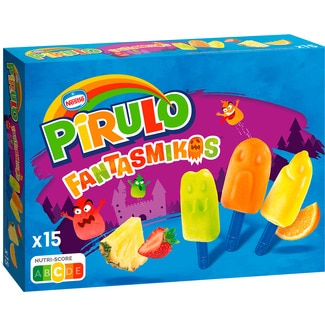
In the Spanish market, it is found in products such as flavored yogurts, green ice creams (e.g., mint or pistachio), chewing gum, hard and soft candies, and some isotonic drinks. Authorized limits vary by category, but are generally quantum satis (sufficient amount to achieve the desired effect) or with specific maximum limits, such as 100 mg/kg in non-alcoholic beverages. Compared to the FDA, in the United States chlorophylls and chlorophyllins are approved as colorants exempt from certification (natural colorant list) and considered safe for use in foods, although with similar restrictions. In Japan, they are also permitted as natural additives.
The versatility of E140 allows its use in both aqueous (chlorophyllins) and fatty (chlorophylls) products, making it popular in the industry.
Toxicological studies conducted by EFSA and JECFA have not documented significant adverse effects associated with the consumption of chlorophylls and chlorophyllins in the amounts used in foods. The ADI has been set as "not specified," indicating no evidence of toxicity at normal intake levels. No carcinogenic, genotoxic, or teratogenic effects have been identified in animal studies.
In humans, no allergic reactions attributable to E140 have been reported, although some individuals may experience sensitivity to residual solvents if the product is not well purified, but this is extremely rare and solvent limits are regulated. No known interactions with medications. Sensitive populations, such as children or pregnant women, do not present special risks. However, because chlorophyllins can form complexes with metals, a possible chelating effect has been suggested, but it is not considered relevant at dietary doses. In conclusion, EFSA and WHO consider E140 a safe additive for the general population.
- Chlorophyll
- Chlorophyllin
- Copper complexes of chlorophylls
- Copper complexes of chlorophyllins
- E-140
- E-141
- Copper chlorophyll
- Copper chlorophyllin
- Natural Green 3
- Natural Green 5
- CI 75810
- Sodium copper chlorophyllin
- Magnesium chlorophyll
- Sodium or potassium salts of copper chlorophyllin complexes
- Chlorophyll extract from plants
- Vegetable green pigment
Products in our Spanish database containing this additive
Examples found in ComerClaro Spanish product database
Product names and supermarket data may appear in Spanish.


Classification:
Statistics
238
total views
Something wrong?
If you notice incorrect or incomplete information, help us improve the platform.