Copper complexes of chlorophylls and chlorophyllins
Score impact
-0.10
points/product
Description
The food additive E141, known as copper complexes of chlorophylls and chlorophyllins, is a green colorant obtained from natural chlorophyll, the pigment responsible for the green color in plants. Industrially, it is extracted from plant sources such as nettles, alfalfa, or grass, and then treated with copper salts to stabilize the color and improve its resistance to light and heat. The process involves replacing the central magnesium ion of chlorophyll with copper, forming copper-chlorophyll (E141(i)) or copper-chlorophyllin (E141(ii)) complexes, which are more stable.
Physicochemical properties include good solubility in water (especially chlorophyllins) and resistance to acidic pH, although they can degrade under intense light. Its main function is to provide a bright green color to foods, ranging from olive tones to intense greens.
Historically, chlorophyll has been used as a colorant since the 19th century, but copper complexes were developed to improve stability. In the European Union, E141 was approved as a food additive after evaluations by the European Food Safety Authority (EFSA) and the Joint FAO/WHO Expert Committee on Food Additives (JECFA). EFSA established an Acceptable Daily Intake (ADI) of 15 mg/kg body weight per day for copper complexes of chlorophylls, based on toxicity studies that showed no significant adverse effects.
The overall safety assessment is favorable: it is considered a safe colorant within established limits. On labeling, it must appear as "colorant: copper complexes of chlorophylls and chlorophyllins" or with its E number. It is important to note that although it contains copper, the amount contributed by the additive is minimal and does not pose a health risk, as copper is an essential trace element.
E141 is used in a wide variety of food categories to provide green color. According to Regulation EC 1333/2008, it is authorized in products such as flavored beverages, ice cream, desserts, confectionery, sauces, soups, fine bakery products, and food supplements.
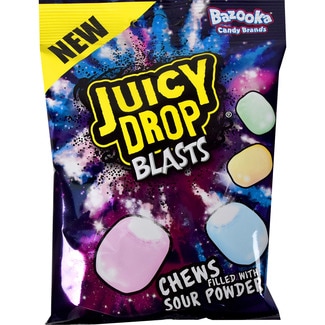
In the Spanish market, it is found in candies (caramels, gummies), green soft drinks, pistachio or mint ice cream, and baking mixes. Authorized limits vary by category: for example, in non-alcoholic flavored beverages the limit is 100 mg/L, while in confectionery it can reach 300 mg/kg. Compared to the US FDA, copper complexes of chlorophylls are allowed as colorants exempt from certification, but with similar restrictions. In Japan, they are also approved.
It is important to note that E141 is not authorized in foods for infants and young children due to the lack of specific studies.
Toxicological studies conducted by EFSA and JECFA have not documented significant adverse effects in humans associated with the consumption of E141 within established limits. The ADI of 15 mg/kg bw/day is based on a NOAEL (no observed adverse effect level) of 1500 mg/kg bw/day in animal studies, applying a safety factor of 100. No allergic reactions or specific intolerances have been reported.
The copper present in the additive is in a stable complex form, so its bioavailability is low and does not significantly contribute to total copper intake, which is an essential nutrient. Sensitive populations such as people with Wilson's disease (a copper metabolism disorder) should consult their doctor, although the amounts are minimal. No interactions with medications are known. The conclusion of EFSA and WHO is that E141 is safe for the general population at authorized doses. However, some consumers may prefer to avoid additives for personal reasons, but there is no scientific evidence of risk.
- Copper chlorophyll
- Copper chlorophyllin
- Cupric complexes of chlorophylls and chlorophyllins
- Sodium or potassium salts of cupric chlorophyllin complexes
- Natural Green 3
- Natural Green 5
- CI 75810
- Copper chlorophyll
- Copper chlorophyllin
- Copper chlorophyll
- Sodium copper chlorophyllin
- Green copper pigment
- Copper complex of pheophytin
Products in our Spanish database containing this additive
Examples found in ComerClaro Spanish product database
Product names and supermarket data may appear in Spanish.


Classification:
Statistics
281
total views
Something wrong?
If you notice incorrect or incomplete information, help us improve the platform.