Caustic sulfite caramel
Score impact
-0.40
points/product
Description
The food additive E150B, known as caustic sulfite caramel, is a brown colorant belonging to the caramel class. It is obtained by controlled heat treatment of carbohydrates (usually glucose syrup or sucrose) in the presence of sulfite compounds (such as sodium or potassium sulfite) and optionally acids or alkalis. This process, called the Maillard reaction, generates high molecular weight compounds responsible for the brown color.
Unlike E150a (plain caramel), E150b uses sulfites as catalysts, giving it specific stability and hue properties. It is a dark brown liquid or powder, soluble in water, with a slight burnt sugar odor. Its main function is as a colorant, providing brown shades to foods and beverages.
It was approved in the European Union after evaluations by EFSA and JECFA (WHO). EFSA established an Acceptable Daily Intake (ADI) of 300 mg/kg body weight for E150b, based on toxicological studies. It is considered safe at authorized levels.
On labels, it must appear as "color: caustic sulfite caramel" or "E150b". The food safety of E150b has been supported by multiple evaluations, although moderation in consumption is recommended.
E150b is mainly used in alcoholic beverages (beer, whiskey, rum, liqueur wines), vinegars, sauces (soy, barbecue), bakery products, confectionery, desserts, ice cream, and some meat products.
In the Spanish market, it is found in dark beers, balsamic vinegar, soy sauce, candies, and cola soft drinks. Regulation EC 1333/2008 sets maximum limits: 500 mg/kg in beer, 2000 mg/kg in vinegar, 1000 mg/kg in sauces, and 5000 mg/kg in some confectionery products. The FDA classifies it as "caramel color" and permits its use without specific limit (GRAS). Japan also authorizes it, but with restrictions similar to the EU. Comparatively, E150b is more stable than E150a in acidic and alcoholic media.
Toxicological studies have not shown significant adverse effects in humans at authorized doses. EFSA and JECFA conclude that E150b is not genotoxic or carcinogenic. At high doses (above the ADI), mild gastrointestinal effects have been observed in animals.
No specific allergies have been documented, although individuals sensitive to sulfites (present in the process) could react, but the residual sulfite content is very low (<10 ppm). There are no known interactions with medications. EFSA established an ADI of 300 mg/kg/day, equivalent to 21 g/day for a 70 kg adult, an amount far exceeding typical intake.
Therefore, it is considered safe for the general population.
- Caustic sulfite caramel
- Caramel class II
- Sulfite caramel
- Caustic sulfite caramel
- E-150b
- Sulfite caramel
- Caramel color class II
- Liquid sulfite caramel
- Color E-150b
- Caramel obtained by treatment with sulfite compounds
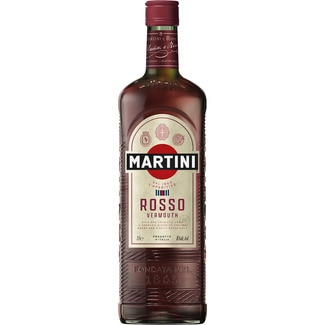
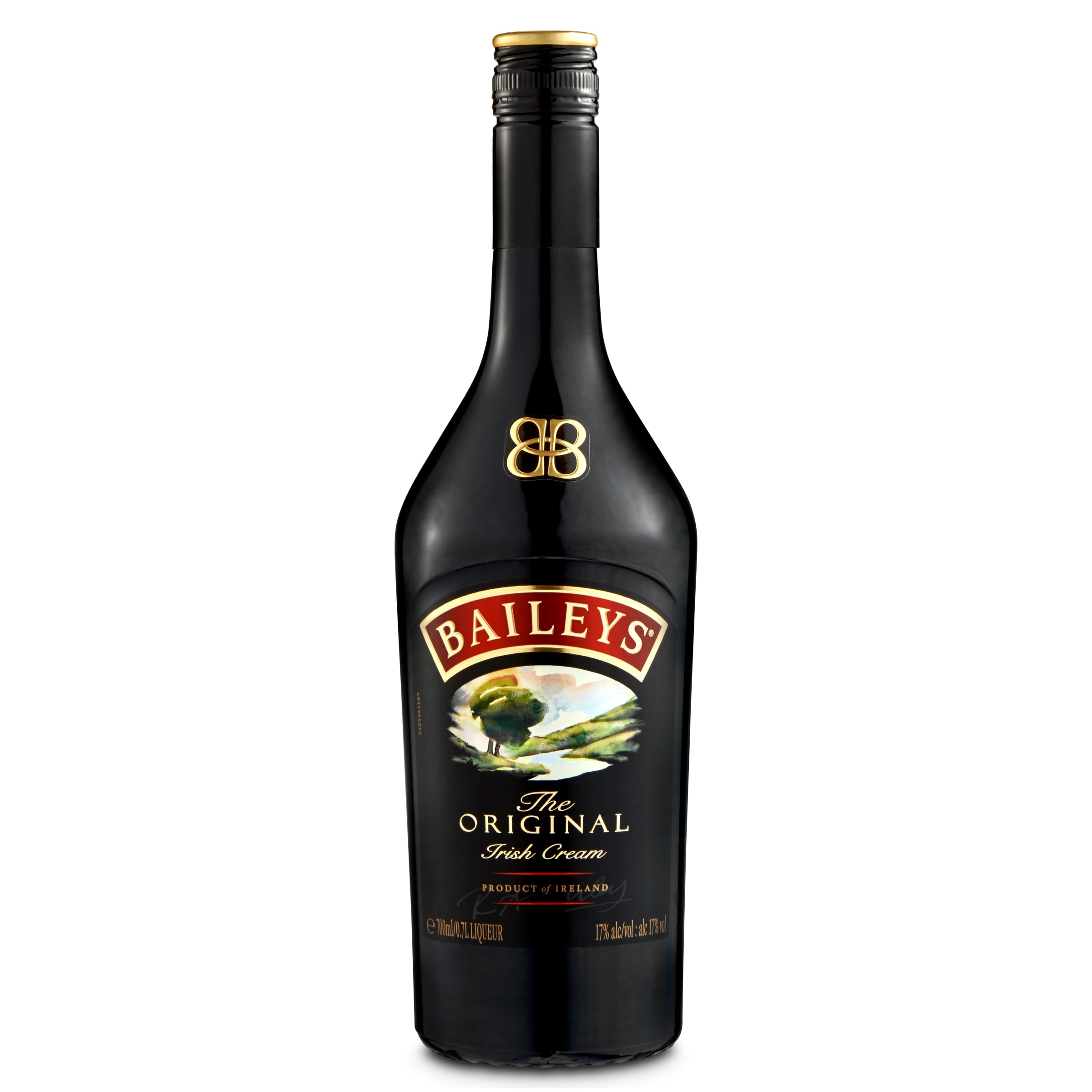
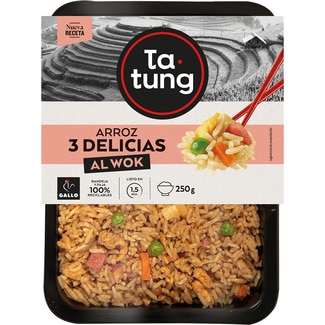
Products in our Spanish database containing this additive
Examples found in ComerClaro Spanish product database
Product names and supermarket data may appear in Spanish.
Classification:
Statistics
218
total views
Something wrong?
If you notice incorrect or incomplete information, help us improve the platform.