Ammonia caramel
Score impact
-0.40
points/product
Description
The food additive E150C, known as ammonia caramel, is a brown colorant belonging to the caramel class. It is obtained by controlled heat treatment of carbohydrates (usually glucose syrup, sucrose, or fructose) in the presence of ammonia compounds (such as ammonium hydroxide or ammonium carbonate). This process, called the Maillard reaction, generates dark brown compounds.
Industrially, it is produced by heating sugars at high temperatures (120-150 °C) with ammonia, followed by cooling and filtration. The final product is a viscous dark brown liquid, soluble in water, with a pH between 2.5 and 5.5. Its main function is as a colorant, providing brown shades to foods and beverages.
Historically, caramels have been used since the 19th century, but E150C was approved in the European Union as a food additive after evaluations by EFSA (European Food Safety Authority) and WHO (World Health Organization). EFSA established an Acceptable Daily Intake (ADI) of 100 mg/kg body weight for E150C, based on toxicological studies that showed no significant adverse effects. WHO, through the Joint FAO/WHO Expert Committee on Food Additives (JECFA), also evaluated it and set a similar ADI. Regarding food safety, it is considered safe at authorized use levels.
Labeling must indicate 'colorant: ammonia caramel' or 'E150C' in the ingredient list.
E150C is mainly used in foods and beverages that require a brown color, such as beers, sauces, balsamic vinegars, bakery products, confectionery, desserts, ice creams, and some meat products.
In the Spanish market, it is found in beer brands (such as Mahou or Estrella Galicia), soy sauces (Kikkoman), balsamic vinegar (Mercadona), and industrial bakery products. According to EC Regulation 1333/2008, authorized limits vary by category: for example, in beers up to 1000 mg/kg, in sauces up to 5000 mg/kg, in cocoa and chocolate products up to 2000 mg/kg. Compared to the US FDA, E150C is allowed as a color additive exempt from certification, with no specific limits beyond good manufacturing practices. In Japan, it is also approved with restrictions similar to European ones.
Toxicological studies conducted by EFSA and JECFA have not documented significant adverse effects in humans at authorized use doses. E150C contains compounds such as 4-methylimidazole (4-MEI) and 2-acetyl-4-tetrahydroxybutylimidazole (THI), which at high doses have shown toxicity in laboratory animals. However, the levels present in foods are very low and below thresholds of concern.
EFSA concluded that dietary exposure to 4-MEI from E150C does not pose a health risk. No specific sensitive populations have been identified, although people with allergies to ammonia could react, but this is extremely rare. No interactions with medications are known.
In summary, current scientific evidence supports the safety of E150C at the amounts used in foods.
- Ammonia sulfite caramel
- Caramel class III
- Ammonia caramel
- Ammonia sulfite caramel
- E150c colorant
- Beer caramel
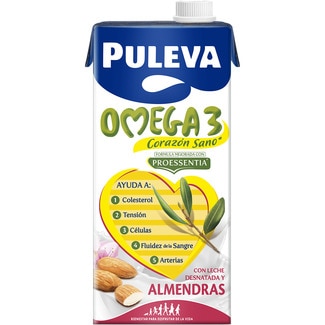
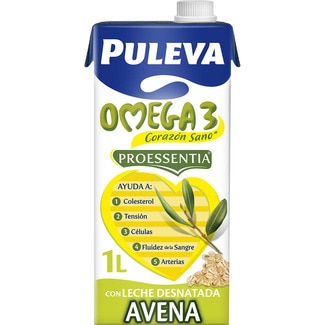
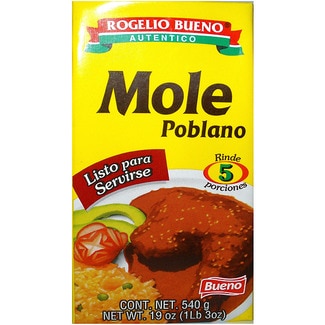
Products in our Spanish database containing this additive
Examples found in ComerClaro Spanish product database
Product names and supermarket data may appear in Spanish.
Classification:
Statistics
224
total views
Something wrong?
If you notice incorrect or incomplete information, help us improve the platform.