Ammonium sulfite caramel
Score impact
-0.40
points/product
Description
E150D, also known as ammonium sulfite caramel, is a brown food colorant belonging to the caramel class. It is obtained by controlled heat treatment of carbohydrates (usually glucose syrup, sucrose, or fructose) in the presence of ammonium and sulfite compounds. This process, similar to other caramels, generates high molecular weight compounds responsible for the dark brown color.
Industrially, temperature, pH, and reaction time are strictly controlled to ensure consistency and safety of the final product. E150D is water-soluble and exhibits high stability to light, heat, and pH changes, making it suitable for a wide variety of foods. Its main function is to provide an intense brown color, from amber tones to almost black, and in some cases it also acts as a flavor and texture agent.
Historically, caramels have been used since the 19th century, but the ammonium sulfite version was developed later to improve stability and hue. In the European Union, E150D was approved as a food additive following evaluations by EFSA (European Food Safety Authority) and the Joint FAO/WHO Expert Committee on Food Additives (JECFA). EFSA established an Acceptable Daily Intake (ADI) of 200 mg/kg body weight per day, based on toxicological studies that showed no significant adverse effects. WHO also supports this ADI.
Regarding food safety, E150D is considered safe for the general population in authorized amounts. Labeling must indicate its name or E number, and it may appear as 'caramel color' or 'E150D' in the ingredient list.
E150D is used in a wide variety of foods to provide brown color. According to EC Regulation 1333/2008, it is authorized in categories such as non-alcoholic beverages (cola drinks, root beers), bakery products (cookies, cakes), sauces (soy, barbecue), vinegars, desserts, ice cream, confectionery, processed meat and fish products, and condiments.
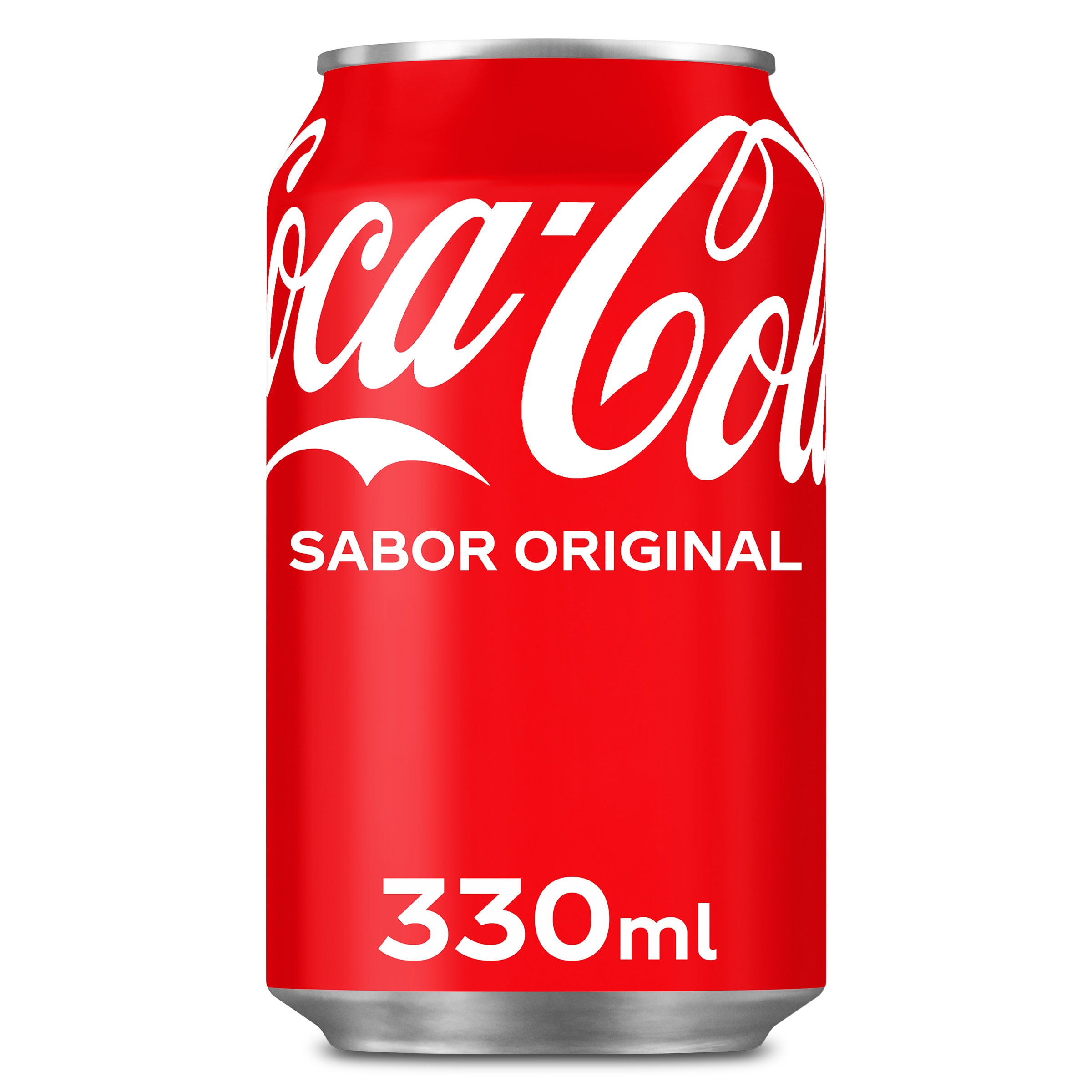
In the Spanish market, it is found in cola drinks (Coca-Cola, Pepsi), soy sauces (Kikkoman), balsamic vinegars, dark beers, and industrial bakery products. Authorized limits vary by category: for example, in non-alcoholic beverages up to 500 mg/kg, in sauces up to 1000 mg/kg, and in bakery products up to 2000 mg/kg.
Compared to the FDA, which also approves ammonium sulfite caramel (classified as 'caramel color' without quantity restriction), the EU sets specific limits for each food. Japan also permits it, but with restrictions similar to European ones. E150D is especially valued for its stability in acidic beverages and its ability to maintain color during storage.
Toxicological studies conducted by EFSA and JECFA have not identified significant adverse effects associated with the consumption of E150D in authorized amounts. The ADI of 200 mg/kg bw/day is based on a NOAEL (no observed adverse effect level) of 2000 mg/kg bw/day in animal studies, applying a safety factor of 100. No carcinogenic, genotoxic, or teratogenic effects have been documented. However, the manufacturing process can generate by-products such as 4-methylimidazole (4-MEI) and 2-acetyl-4-tetrahydroxybutylimidazole (THI), which have raised controversy.
4-MEI has been classified as a possible human carcinogen by IARC (Group 2B) in animal studies, but the amounts present in foods are very low and do not pose a significant risk to human health according to EFSA. WHO also concludes that levels of 4-MEI in caramels are safe. Sensitive populations such as people with asthma or sulfite allergies could react to sulfite residues, although levels are minimal. No interactions with medications are known.
In conclusion, EFSA and WHO consider E150D safe under authorized conditions of use, and potential adverse effects are negligible for the general population.
- Caramel class IV
- Color caramel (ammonium sulfite)
- Caramel color (ammonium sulfite process)


Classification:
Statistics
3,024
total views
Something wrong?
If you notice incorrect or incomplete information, help us improve the platform.