Brilliant Black PN
Score impact
-0.60
points/product
Description
E151, known as Brilliant Black PN or Negro Brillante PN, is a synthetic black-blue food color belonging to the azo dye group. It is obtained industrially by diazotization of 4-aminonaphthalene-1-sulfonic acid and subsequent coupling with 8-amino-2-naphthalenesulfonic acid, followed by purification and drying processes. Its chemical formula is C28H17N5Na4O14S4 and its molecular weight is 867.68 g/mol.
It is soluble in water, slightly soluble in ethanol, and has a maximum absorption at 570 nm. Its main function is to provide an intense black or dark blue color to foods, often combined with other colors to achieve specific shades.
It was approved as a food additive in the European Union in 1994, and its use is regulated by Regulation (EC) No 1333/2008. The European Food Safety Authority (EFSA) has re-evaluated its safety several times, establishing an Acceptable Daily Intake (ADI) of 5 mg per kg of body weight. The WHO has also evaluated it, confirming the same ADI.
Despite its approval, there is controversy due to studies suggesting possible adverse effects in children, such as hyperactivity, although the evidence is not conclusive. In food labeling, it must appear as 'color: brilliant black PN' or 'E151'. The food safety of this additive remains a subject of debate, and some consumers prefer to avoid it.
E151 is used in a wide variety of processed foods, mainly those requiring a black or dark blue color.
In Spain, it is commonly found in non-alcoholic beverages (cola soft drinks, energy drinks), confectionery products (candies, gummies, chewing gum), desserts (ice cream, jellies), sauces (soy sauce, balsamic vinegar), and snack products (flavored potato chips). Regulation (EC) No 1333/2008 establishes maximum limits that vary by category: for example, in non-alcoholic beverages the limit is 100 mg/L, in confectionery up to 300 mg/kg, and in sauces up to 500 mg/kg.
In the United States, the FDA does not approve the use of E151 in foods, so it is not present in American products. In Japan, its use is permitted but with restrictions similar to European ones. The comparison shows that the EU is more permissive than the US in this regard.
Documented adverse effects of E151 include possible allergic reactions in sensitive individuals, such as urticaria or asthma, although these are rare. The proposed biological mechanism relates to histamine release in susceptible individuals. Studies in children have suggested a possible association between consumption of azo dyes (including E151) and increased hyperactivity, as observed in the Southampton study (2007). However, EFSA concluded that the evidence is insufficient to establish a direct causal relationship, and that the observed effects are small and not clinically significant.
The ADI of 5 mg/kg bw is considered safe for the general population, but caution is recommended in children with behavioral disorders. No interactions with medications have been documented. The WHO supports safety at authorized doses.
In conclusion, although E151 is approved, its safety profile generates controversy, especially in children.
- Brilliant Black BN
- Brilliant Black
- Brilliant Black PN
- Food Black 1
- CI 28440
- Black PN
- Black 1
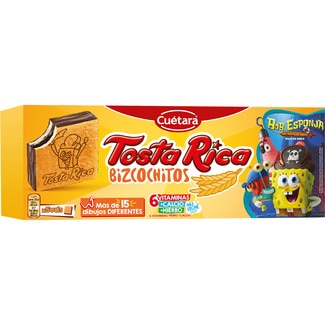
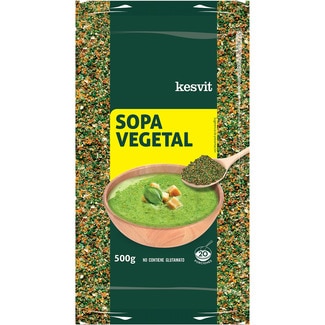
Products in our Spanish database containing this additive
Examples found in ComerClaro Spanish product database
Product names and supermarket data may appear in Spanish.

Classification:
Statistics
231
total views
Something wrong?
If you notice incorrect or incomplete information, help us improve the platform.