Vegetable carbon
Score impact
0.00
points/product
Description
The food additive E153, known as vegetable carbon or vegetable black, is a natural black colorant obtained by controlled carbonization of plant materials such as wood, coconut shells, peat, or paper industry residues. The process involves heating the raw material to high temperatures (600-900 °C) in the absence of oxygen, followed by fine grinding and purification to remove impurities.
The final product is a black, odorless, and tasteless powder, insoluble in water and most organic solvents. Chemically, it is composed mainly of amorphous carbon, with traces of hydrogen, oxygen, and ash. Its main function is as a colorant, providing an intense black or dark gray color to foods. It is also used as an adsorbent in some processes.
Historically, vegetable carbon has been used since ancient times as a colorant and purifying agent. In the European Union, it was authorized as a food additive following evaluations by EFSA (European Food Safety Authority) and WHO (World Health Organization). EFSA, in its 2012 re-evaluation, established that E153 poses no safety concerns at current usage levels, although an Acceptable Daily Intake (ADI) could not be established due to lack of adequate toxicological data. However, it is considered safe because its intestinal absorption is minimal and it is excreted unchanged. WHO, through the Joint FAO/WHO Expert Committee on Food Additives (JECFA), has also evaluated it and has not set an ADI, classifying it as a low-concern additive.
Regarding labeling, it must be declared as "colorant" or "vegetable carbon" (E153) in the ingredient list. It is important to note that food-grade vegetable carbon should not be confused with carbon black (E152), which is of mineral origin and not permitted in foods. The food safety of E153 is supported by its long history of use and evaluations by competent authorities.
E153 is mainly used as a black colorant in a variety of food products. According to Regulation (EC) No 1333/2008, it is authorized in the European Union for use in several food categories, including confectionery products (such as candies, chewing gum, and chocolate coatings), ice cream, desserts, sauces, condiments, alcoholic and non-alcoholic beverages, and some fine bakery products.
In the Spanish market, it can be found in products such as black liqueurs (e.g., orujo liqueur with vegetable carbon), black licorice candies, some types of rye bread, and cocktail preparations. Authorized limits vary by category, but generally quantum satis (sufficient amount to achieve the desired effect) is allowed, without a specific maximum limit, although it must comply with good manufacturing practices. In comparison with the US FDA, vegetable carbon is not approved as a color additive in foods, although it is permitted in some products such as activated charcoal for pharmaceutical use. In Japan, vegetable carbon is allowed as a natural colorant.
It is important to note that the use of E153 has increased in recent years due to the trend toward natural ingredients and the popularity of black-colored foods (such as hamburgers with black buns or vegetable carbon ice cream).
Documented side effects of E153 are very limited. EFSA, in its 2012 evaluation, concluded that there is no evidence of acute toxicity, genotoxicity, carcinogenicity, or reproductive toxicity at current usage levels.
Vegetable carbon is practically insoluble and is not absorbed in the gastrointestinal tract, so it is excreted unchanged in feces. This minimizes any risk of systemic effects. However, isolated cases of mild gastrointestinal discomfort, such as constipation or black stools (which are harmless), have been reported, especially with very high consumption. No specific sensitive populations have been identified, although individuals with pre-existing digestive issues might experience discomfort.
Regarding drug interactions, activated charcoal (similar but not identical) is used in poisonings to adsorb toxins, so theoretically, very high doses of E153 could interfere with the absorption of oral medications. However, the amounts used in foods are too low to cause this effect. WHO/JECFA also considers that E153 poses no health risks under authorized conditions of use.
In conclusion, E153 is considered safe for the general population, and no significant adverse effects have been established with its consumption in foods.
- Vegetable black
- Activated vegetable carbon
- Vegetable carbon
- Pigment Black 7
- C.I. 77266
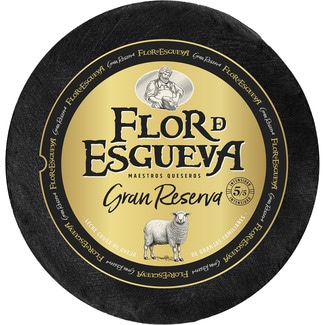
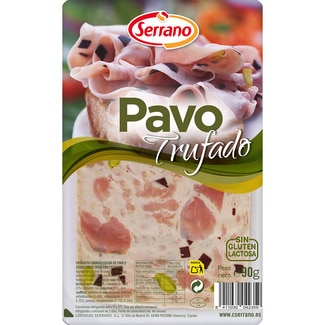
Products in our Spanish database containing this additive
Examples found in ComerClaro Spanish product database
Product names and supermarket data may appear in Spanish.

Classification:
Statistics
269
total views
Something wrong?
If you notice incorrect or incomplete information, help us improve the platform.