Brown HT
Score impact
-0.60
points/product
Description
The food additive E155, known as Brown HT (also Chocolate Brown HT or Food Brown 3), is a synthetic reddish-brown dye belonging to the azo dye group. It is produced industrially by diazotization and coupling of 4-aminobenzenesulfonamide with 4-hydroxy-2-naphthalenesulfonic acid, followed by a second diazotization and coupling with 4-aminobenzenesulfonamide.
The final product is a sodium salt. Its physicochemical properties include high solubility in water (up to 100 g/L at 20°C), low solubility in ethanol and oils, and moderate stability to light, heat, and acids (pH 3-7). Its main function is to impart an intense brown color to foods, often in combination with other dyes to achieve specific shades.
It was approved in the European Union as a food additive in the 1970s and its use is regulated by Regulation (EC) No 1333/2008. The European Food Safety Authority (EFSA) has re-evaluated its safety several times, most recently in 2010, establishing an Acceptable Daily Intake (ADI) of 1.5 mg/kg body weight per day. The World Health Organization (WHO), through the Joint FAO/WHO Expert Committee on Food Additives (JECFA), has also evaluated Brown HT and set the same ADI.
However, there are controversies regarding its safety because some animal studies have suggested potential adverse effects, such as the formation of potentially carcinogenic aromatic amine metabolites. Nevertheless, EFSA concluded that, within current exposure limits, Brown HT does not pose a significant risk to human health. In food labeling, it must appear as 'color: brown HT' or 'E155'.
Despite its approval, some consumers and organizations prefer to avoid it due to its synthetic origin and associated controversies.
E155 is mainly used in the food industry to color brown or chocolate products. According to Regulation (EC) No 1333/2008, it is authorized in several food categories with specific maximum limits. For example, in sauces and condiments (up to 500 mg/kg), in fine bakery products (up to 200 mg/kg), in ice cream (up to 150 mg/kg), in non-alcoholic beverages (up to 100 mg/kg), and in processed meat products (up to 100 mg/kg).
In the Spanish market, it can be found in barbecue sauces, candies, chewing gum, fruit jellies, dairy desserts, and some soft drinks. It is also used in bakery and industrial pastry products. In comparison with the US FDA, Brown HT is not approved as a food additive in that country, where FD&C Brown No. 3 (Erythrosine) is used for similar shades. In Japan, its use is permitted but with stricter restrictions. The ADI of 1.5 mg/kg bw/day established by EFSA and JECFA is considered safe for the general population, although actual exposure may vary depending on consumption habits.
Documented adverse effects of E155 are limited and mainly based on animal studies. Some studies have suggested that Brown HT may cause allergic reactions in sensitive individuals, such as urticaria or asthma, although the evidence is weak. The proposed biological mechanism involves histamine release or the formation of aromatic amine metabolites after reduction of the azo group by gut microbiota. These amines could be potentially carcinogenic, but animal studies have not shown a significant increase in tumors at doses relevant to humans.
EFSA, in its 2010 re-evaluation, concluded that there is insufficient evidence to consider Brown HT as carcinogenic, genotoxic, or toxic to reproduction. Sensitive populations include people with intolerance to salicylates or with hyperactivity disorder (ADHD), although studies have not established a clear causal relationship. No interactions with medications are known. WHO/JECFA has also endorsed the safety of the additive within established limits.
In conclusion, although controversies exist, regulatory agencies consider E155 safe in authorized amounts, but recommend moderation in consumption of foods with artificial colors.
- Chocolate Brown HT
- Brown HT
- Food Brown 3
- CI 20285
- Brown 3
- Chocolate Brown HT
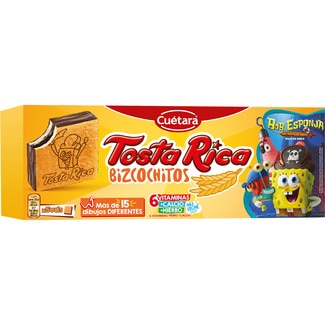
Products in our Spanish database containing this additive
Examples found in ComerClaro Spanish product database
Product names and supermarket data may appear in Spanish.
Classification:
Statistics
223
total views
Something wrong?
If you notice incorrect or incomplete information, help us improve the platform.