Paprika extract (capsanthin, capsorubin)
Score impact
0.00
points/product
Description
The food additive E160C, known as paprika extract (capsanthin and capsorubin), is a natural colorant ranging from red to intense orange. It is obtained from varieties of pepper of the genus Capsicum annuum, mainly by extraction with organic solvents (such as ethanol or ethyl acetate) followed by refining. The main pigments responsible for the color are capsanthin and capsorubin, both carotenoids with a ketone structure. Industrially, the process includes drying, grinding, and extraction, yielding an oleoresin that is then standardized.
E160C is fat-soluble, stable at pH between 3 and 7, and sensitive to light and oxygen, so it is often protected with antioxidants. Its main function is to provide red-orange color to foods, mimicking natural shades.
Historically, the use of paprika as a colorant dates back centuries, but its approval as an additive in the EU dates from the Color Directive of 1994. EFSA has evaluated its safety several times, establishing an Acceptable Daily Intake (ADI) of 0-0.6 mg/kg body weight (expressed as capsanthin). WHO/JECFA has also evaluated it, confirming the same ADI. The overall safety assessment is favorable, considering it a safe natural colorant at authorized doses.
On labeling, it must appear as 'paprika extract' or 'E160C'. No significant adverse effects in humans have been reported at usual consumption levels. However, some people may have an allergy to pepper, although this is rare.
In summary, E160C is a widely accepted natural colorant and safe within established limits.
E160C is used in a wide variety of food categories according to Regulation EC 1333/2008. Among the most common uses are: processed meat products (sausages, frankfurters, pâtés), snacks (potato chips, extruded snacks), sauces and condiments (ketchup, barbecue), soups and broths, appetizer products, and some dairy products such as processed cheeses.
In the Spanish market, it is frequently found in brands of potato chips (e.g., Lays, Pringles), cured meats like chorizo or salami, and tomato sauces. Authorized limits vary by category: for example, in non-heat-treated processed meat products, the limit is 20 mg/kg of capsanthin; in snacks, up to 50 mg/kg; in sauces, up to 30 mg/kg. In comparison with the FDA, in the United States paprika extract is considered GRAS (Generally Recognized as Safe) and has no specific limits, although it is used as a colorant. Japan also allows it as a natural colorant without numerical restrictions.
The EU is more restrictive in certain categories, setting maximum limits to avoid excessive consumption.
Documented side effects of E160C are scarce and generally mild. EFSA and WHO have concluded that there is no evidence of toxicity, carcinogenicity, or genotoxicity at authorized consumption levels. Animal studies showed no significant adverse effects at high doses.
In humans, no systemic adverse reactions have been reported. However, as it is a pepper extract, there is a possibility of allergic reactions in individuals sensitive to pepper or other members of the Solanaceae family. These reactions are rare and usually manifest as urticaria or contact dermatitis. No interactions with medications are known. The ADI of 0-0.6 mg/kg bw is considered safe for the general population, including children and pregnant women. EFSA has noted that estimated dietary exposure is below the ADI in all population groups.
Therefore, E160C is one of the safest colorants, with no significant documented side effects.
- Paprika extract
- Capsanthin
- Capsorubin
- Paprika oleoresin
- Paprika colorant
- Paprika extract
- Capsicum extract
- Oleoresin paprika
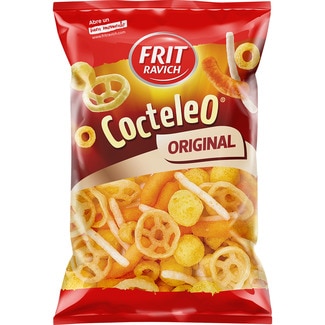
Products in our Spanish database containing this additive
Examples found in ComerClaro Spanish product database
Product names and supermarket data may appear in Spanish.


Classification:
Statistics
287
total views
Something wrong?
If you notice incorrect or incomplete information, help us improve the platform.