Lutein
Score impact
+0.50
points/product
Description
Lutein (E161B) is a natural food colorant belonging to the carotenoid group. It occurs naturally in green leafy vegetables such as spinach, kale, and broccoli, as well as in egg yolk and some fruits. Industrially, it is mainly obtained from marigold flowers (Tagetes erecta) by extraction with organic solvents (such as hexane or acetone) followed by purification and crystallization.
It can also be produced by fermentation of yeasts or algae. Lutein is a fat-soluble pigment ranging from yellow to orange, with chemical formula C40H56O2 and molecular weight 568.87 g/mol. It is sensitive to light, heat, and oxidation, so it is often stabilized with antioxidants such as vitamin E. Its main function is to provide color to foods, replacing synthetic colorants like tartrazine (E102).
Lutein was approved as a food additive in the European Union in 2004, following evaluation by the European Food Safety Authority (EFSA). EFSA established an Acceptable Daily Intake (ADI) of 1 mg/kg body weight per day, based on toxicity and safety studies. The World Health Organization (WHO) has also evaluated lutein and considers it safe at the doses used.
Regarding food safety, lutein is considered a safe colorant with low toxicity potential. No significant adverse effects in humans have been reported at usual consumption levels. On food labels, it must appear as "lutein" or "E161B". It is important to note that lutein is also used as a dietary supplement for its potential benefits for eye health, although as an additive its function is solely colorant.
Lutein (E161B) is used as a colorant in a wide variety of foods. According to Regulation EC 1333/2008, it is authorized in the European Union for use in: fine bakery products (such as cookies and cakes), desserts, ice cream, confectionery (candies, chewing gum), non-alcoholic beverages, sauces, soups, fruit and vegetable products, and food supplements. Maximum limits vary by category, generally between 50 and 500 mg/kg. In the Spanish market, it is found in products such as Maria cookies, vanilla ice cream, orange soft drinks, hard candies, and fruit yogurts. Compared to the US FDA, lutein is approved as an exempt colorant (GRAS) for use in foods, with limits similar to European ones. In Japan, it is also permitted as a natural colorant. Lutein is especially valued for its stability in acidic pH products and its ability to provide attractive yellow and orange shades.
Lutein (E161B) is generally recognized as safe by major food safety agencies (EFSA, WHO, FDA). Toxicological studies have not shown significant adverse effects in humans at usual consumption levels. EFSA established an ADI of 1 mg/kg/day, based on a NOAEL (no observed adverse effect level) of 100 mg/kg/day in animal studies.
No carcinogenic, mutagenic, or teratogenic effects have been documented. In sensitive populations, such as people with allergies to plants of the Asteraceae family (like marigold), there may be a theoretical risk of allergic reaction, although no cases have been reported. Lutein does not interact significantly with medications.
At very high doses (supplements), it may cause a yellowish discoloration of the skin (carotenodermia), but this is reversible and not considered toxic. As a food additive, the doses used are far below those that could cause this effect. In conclusion, EFSA and WHO consider lutein safe for the general population under authorized conditions of use.
- Lutein
- Marigold lutein
- Natural lutein
- Xanthophyll
- 3,3'-dihydroxy-α-carotene
- ε,β-carotene-3,3'-diol
- Lutein
- Calendula extract
- Yellow flower pigment
- Green leaf carotenoid
- Plant-derived lutein
- Helianthoxanthin
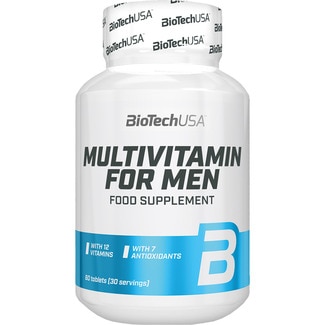
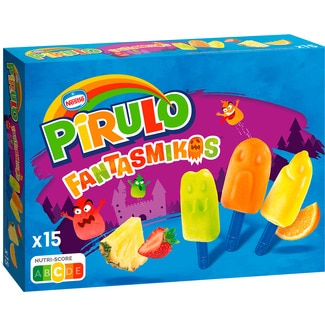
Products in our Spanish database containing this additive
Examples found in ComerClaro Spanish product database
Product names and supermarket data may appear in Spanish.

Classification:
Statistics
252
total views
Something wrong?
If you notice incorrect or incomplete information, help us improve the platform.