Titanium dioxide
Score impact
-1.50
points/product
Description
E171, or titanium dioxide (TiO₂), is a food additive primarily used as a white colorant (pigment) to provide opacity and brightness to foods. It is industrially obtained from minerals such as ilmenite or rutile, through sulfate or chloride processes, producing particles of micrometric and nanometric size. Its physicochemical properties include high thermal stability, resistance to light and pH, and a high refractive index that gives it an intense white color.
Historically, it was approved in the European Union as a food additive since 1962, and its use has extended to numerous products. However, in 2021 the European Food Safety Authority (EFSA) reassessed its safety and concluded that a safe level of acceptable daily intake (ADI) cannot be established due to concerns about genotoxicity (DNA damage) following ingestion of nanometric particles. The World Health Organization (WHO) has also pointed out potential risks. As a result, the EU banned the use of E171 in foods from 2022, although it remains allowed in medicines and cosmetics.
On labeling, it must appear as "titanium dioxide" or "E171". The overall safety assessment is negative for food use, but it is considered safe in other non-ingestible applications.
E171 was mainly used in confectionery products (chewing gum, candies, white chocolate), bakery products (icings, coatings), instant soups, sauces, salad dressings, dairy products (yogurts, ice cream), and food supplements.
In the Spanish market, it was commonly found in chewing gums like Trident, hard candies, and some flavored yogurts. The authorized limits under EC Regulation 1333/2008 were quantum satis (sufficient quantity) for most uses, without a specific maximum limit, but with restrictions in some products such as food supplements (up to 10 g/kg). In comparison, the US FDA allows its use in foods (except those requiring color certification) and Japan also authorizes it, although with more restrictive limits.
After the European ban, many manufacturers have replaced E171 with alternatives such as calcium carbonate (E170) or modified starch.
Documented adverse effects of E171 focus on its genotoxic potential, especially from nanometric particles (less than 100 nm). In vitro and in vivo studies have shown that these particles can induce DNA damage, oxidative stress, and inflammation.
The proposed biological mechanism involves internalization of nanoparticles into intestinal cells, where they generate reactive oxygen species (ROS) and alter cell signaling. Sensitive populations include children, due to their higher relative exposure and intestinal development, and people with inflammatory bowel diseases. No interactions with medications have been documented.
EFSA, in its 2021 opinion, concluded that genotoxicity cannot be ruled out and that it is not possible to establish an ADI, therefore recommending restricting its use. The WHO, through JECFA, has also noted uncertainties. In conclusion, although there is no evidence of acute effects, the potential risk of long-term genetic damage led to the ban in foods in the EU.
- TiO2
- Pigment White 6
- CI 77891
- Titanium white
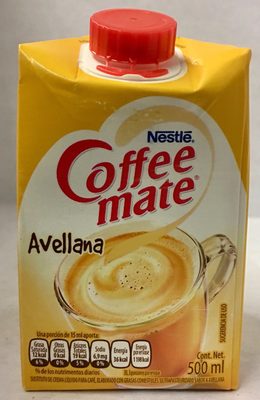
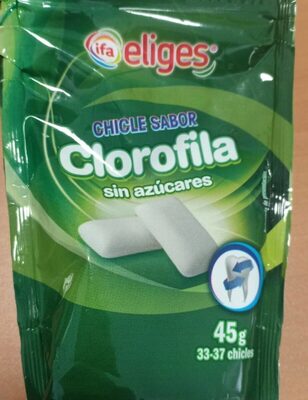
Products in our Spanish database containing this additive
Examples found in ComerClaro Spanish product database
Product names and supermarket data may appear in Spanish.

Classification:
Statistics
199
total views
Something wrong?
If you notice incorrect or incomplete information, help us improve the platform.