Iron oxides and hydroxides
Score impact
0.00
points/product
Description
The food additive E172, known as iron oxides and hydroxides, is a mineral colorant used to provide colors ranging from yellow, orange, red, brown to black. It is obtained industrially by controlled precipitation of iron salts or by oxidation of metallic iron.
Its physicochemical properties include high thermal stability, resistance to light and pH, making it suitable for a wide range of foods. Its main function is as a colorant, but it can also act as a coating agent in some products.
The history of its use dates back to ancient times, but its approval in the European Union was formalized with Directive 94/36/EC, currently regulated by EC Regulation 1333/2008. The European Food Safety Authority (EFSA) has evaluated E172 on several occasions, most recently in 2015, establishing an Acceptable Daily Intake (ADI) of 0.5 mg/kg body weight for total iron from all iron additives. The World Health Organization (WHO) has also evaluated it, supporting its safety at authorized doses.
The overall safety assessment is favorable, considering it a safe additive for the general population, although it is recommended not to exceed the ADI. On labeling, it must appear as "colorant" or with its specific name "iron oxides and hydroxides" or the number E172.
It is important to note that E172 should not be confused with elemental iron or iron supplements, as its function is exclusively as a colorant.
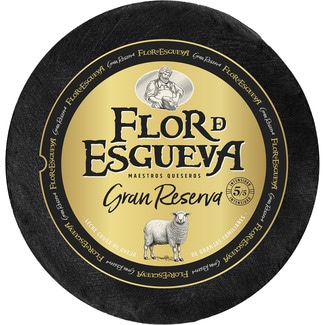
E172 is used in a wide variety of food categories, including confectionery products, ice cream, desserts, sauces, soups, beverages, meat and fish products, as well as on the surface of some cheeses and in the decoration of bakery products.
In the Spanish market, it is commonly found in candies, sweets, chewing gum, chocolate coatings, and in some delicatessen products such as sausages or pâtés. Authorized limits vary by food category, established by EC Regulation 1333/2008. For example, in confectionery up to 500 mg/kg is allowed, while in ice cream up to 100 mg/kg. Compared to the FDA, which allows its use in foods as a color additive exempt from certification, the limits are similar. Japan also authorizes it with similar restrictions.
It is important to note that E172 can be used in combination with other colorants to achieve specific shades.
Documented side effects of E172 are minimal. EFSA and WHO have concluded that, at authorized doses, it does not pose a health risk. No significant adverse effects have been reported in humans, although in animal studies at very high doses, some iron accumulation in tissues was observed, but without relevant toxicity.
The biological mechanism is based on the fact that iron is an essential mineral, but in excess it can be toxic. However, the absorption of iron from oxides and hydroxides is low (about 1-2%), limiting its bioavailability. Sensitive populations such as people with hemochromatosis (iron overload) should exercise caution, but the amounts present in foods are far below those that could cause problems. No interactions with medications are known.
In conclusion, EFSA and WHO consider E172 safe at current use levels, without the need to establish a specific ADI for the colorant itself, but for total iron from additives.
- Yellow iron oxide
- Red iron oxide
- Black iron oxide
- Iron hydroxide
- Iron oxide pigment
- CI 77491
- CI 77492
- CI 77499
Products in our Spanish database containing this additive
Examples found in ComerClaro Spanish product database
Product names and supermarket data may appear in Spanish.


Classification:
Statistics
233
total views
Something wrong?
If you notice incorrect or incomplete information, help us improve the platform.