Potassium benzoate
Score impact
-0.60
points/product
Description
Potassium benzoate (E212) is a food additive belonging to the preservative category. It is mainly used to inhibit the growth of microorganisms such as molds, yeasts, and some bacteria, thereby extending the shelf life of foods. Chemically, it is the potassium salt of benzoic acid (C6H5COOK). It appears as a white crystalline powder, odorless or with a slight benzoin odor, and is highly soluble in water. Industrially, it is obtained by neutralizing benzoic acid with potassium hydroxide or potassium carbonate.
Benzoic acid is produced by oxidation of toluene or by decarboxylation of phthalic acid. Potassium benzoate has a molecular weight of 160.21 g/mol, a melting point of 300 °C (decomposition), and a pH in aqueous solution between 7 and 8. Its effectiveness as a preservative depends on pH; it is most active in acidic media (pH < 4.5), where it converts to benzoic acid, its active form. Benzoic acid penetrates microbial cells, acidifies the cytoplasm, and interferes with cellular metabolism.
The use of potassium benzoate as a food additive dates back to the early 20th century. In the European Union, it was authorized after evaluations by the European Food Safety Authority (EFSA) and the Scientific Committee on Food (SCF). EFSA re-evaluated potassium benzoate in 2016 (EFSA Journal 2016;14(8):4593), establishing an Acceptable Daily Intake (ADI) of 5 mg/kg body weight for benzoic acid and its salts (expressed as benzoic acid).
The World Health Organization (WHO) and the Joint FAO/WHO Expert Committee on Food Additives (JECFA) have also evaluated potassium benzoate, setting the same ADI. In general, it is considered safe at authorized doses. However, there are controversies about possible adverse effects, especially in combination with other additives or in sensitive individuals.
On food labels in the EU, it must appear as 'potassium benzoate' or 'E212'. The food safety of E212 is supported by numerous toxicological studies, although moderation in the consumption of processed foods is recommended.
Potassium benzoate (E212) is used as a preservative in a wide variety of foods and beverages. According to EC Regulation 1333/2008, it is authorized in categories such as: non-alcoholic beverages (soft drinks, juices, nectars) with limits up to 150 mg/kg; alcoholic beverages (beer, cider, wine) up to 200 mg/kg; sauces and condiments (ketchup, mustard, mayonnaise) up to 1000 mg/kg; pickles, olives, and similar products up to 1000 mg/kg; jams, jellies, and marmalades up to 500 mg/kg; fine bakery products (cakes, cookies) up to 1000 mg/kg; and others such as soups, broths, prepared salads.
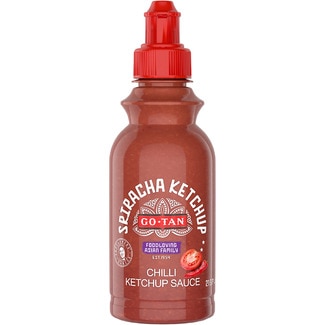
In the Spanish market, it is found in cola soft drinks, isotonic beverages, non-alcoholic beers, tomato sauces, preserved olives, and industrial pastry products. Maximum limits vary by food and are expressed as benzoic acid. Compared to the US FDA, potassium benzoate is allowed at similar levels (up to 0.1% in beverages, 0.1% in foods). Japan also authorizes it with similar restrictions.
It is important to note that its effectiveness is greater in acidic foods (pH < 4.5).
Documented side effects of potassium benzoate (E212) are limited and generally associated with high consumption or in sensitive individuals. EFSA and JECFA have established an ADI of 5 mg/kg body weight, based on subchronic and chronic toxicity studies in animals, where no significant adverse effects were observed at low doses. In humans, some studies have reported allergic reactions such as urticaria, asthma, or rhinitis in sensitive individuals, although these are rare.
Potassium benzoate can react with ascorbic acid (vitamin C) in beverages to form benzene, a known carcinogen. However, the concentrations of benzene formed are usually very low (below safety limits for drinking water) and regulatory authorities have established measures to minimize this formation. No significant interactions with medications have been documented, although caution is recommended in individuals with known allergies to benzoates.
In conclusion, EFSA and WHO consider potassium benzoate safe at authorized doses, and adverse effects are infrequent and generally mild.
- Potassium benzoate
- Benzoic acid potassium salt
- Potassium salt of benzoic acid
- Anhydrous potassium benzoate
- Monopotassium benzoate
- Potassium benzoate
- Potassium salt of benzenecarboxylic acid
Products in our Spanish database containing this additive
Examples found in ComerClaro Spanish product database
Product names and supermarket data may appear in Spanish.
Classification:
Statistics
271
total views
Something wrong?
If you notice incorrect or incomplete information, help us improve the platform.