Sulfur dioxide
Score impact
-0.50
points/product
Description
Sulfur dioxide (E220) is a food additive classified as a preservative. It is a colorless, non-flammable gas with a pungent odor, soluble in water, and acts as an antioxidant and antimicrobial agent. Its origin is chemical: it is obtained industrially by burning sulfur or roasting metal sulfides, or as a byproduct of petrochemical processes. In the food industry, it is mainly used as a gas dissolved in water (sulfurous acid) or as sulfite salts (E221-E228).
E220 has been approved in the European Union since the 1970s, and its use is regulated by Regulation (EC) No 1333/2008. The European Food Safety Authority (EFSA) has re-evaluated its safety several times, most recently in 2016, establishing an Acceptable Daily Intake (ADI) of 0.7 mg of SO2 equivalent per kg of body weight per day. The World Health Organization (WHO) and the Joint FAO/WHO Expert Committee on Food Additives (JECFA) have also set the same ADI. This ADI is considered safe for the general population, although certain sensitive groups may experience adverse reactions.
Labeling of foods containing E220 must indicate its name or E number, and in the EU it is mandatory to declare the presence of sulfites when they exceed 10 mg/kg or 10 mg/L, due to their allergenic potential. The overall safety assessment is moderate: it is effective as a preservative, but its use must be controlled to avoid exceeding the ADI, especially in asthmatics or individuals sensitive to sulfites.
E220 is used in a wide variety of foods to prevent enzymatic and non-enzymatic browning, inhibit microbial growth, and preserve color and flavor. The main food categories where it is used include: alcoholic beverages (wine, cider, beer), dried fruits (apricots, raisins, prunes), pickled vegetables (olives, capers), concentrated fruit juices, jams, jellies, potato products (frozen french fries), fresh or frozen crustaceans, and processed meat products (sausages, cured meats).
In the Spanish market, it is common to find E220 in red and white wines, raisins, dried apricots, stuffed olives, and bagged potato chips. Authorized limits vary by product: for example, in wines up to 200 mg/L (red wines) or 400 mg/L (white and rosé wines), in dried fruits up to 2000 mg/kg, and in fresh crustaceans up to 150 mg/kg. Compared to the FDA (USA), limits are similar, although in the EU mandatory labeling of sulfites is required from 10 mg/L or mg/kg, while in the USA the threshold is 10 ppm. Japan also allows its use with similar restrictions.
Documented adverse effects of sulfur dioxide mainly occur in asthmatics or individuals with sulfite hypersensitivity. Clinical studies have shown that inhalation or ingestion of sulfites can trigger bronchospasm, urticaria, angioedema, abdominal pain, diarrhea, and in rare cases, anaphylactic shock.
The proposed biological mechanism involves the release of histamine and other inflammatory mediators, as well as inhibition of the enzyme sulfite oxidase, which normally detoxifies sulfites in the body. Sensitive populations include asthmatics (approximately 5% of asthmatics are sulfite-sensitive), individuals with sulfite oxidase deficiency (rare), and those with sulfite allergy. No significant interactions with medications have been documented, although caution is recommended in patients treated with corticosteroids or bronchodilators.
EFSA and WHO conclude that for the general population, consumption within the ADI does not pose a significant health risk. However, they recommend that asthmatics avoid foods with high sulfite content. Excessive intake may cause gastrointestinal irritation and headaches in sensitive individuals.
- sulfurous anhydride
- SO2
- sulfite
- bisulfite
- metabisulfite
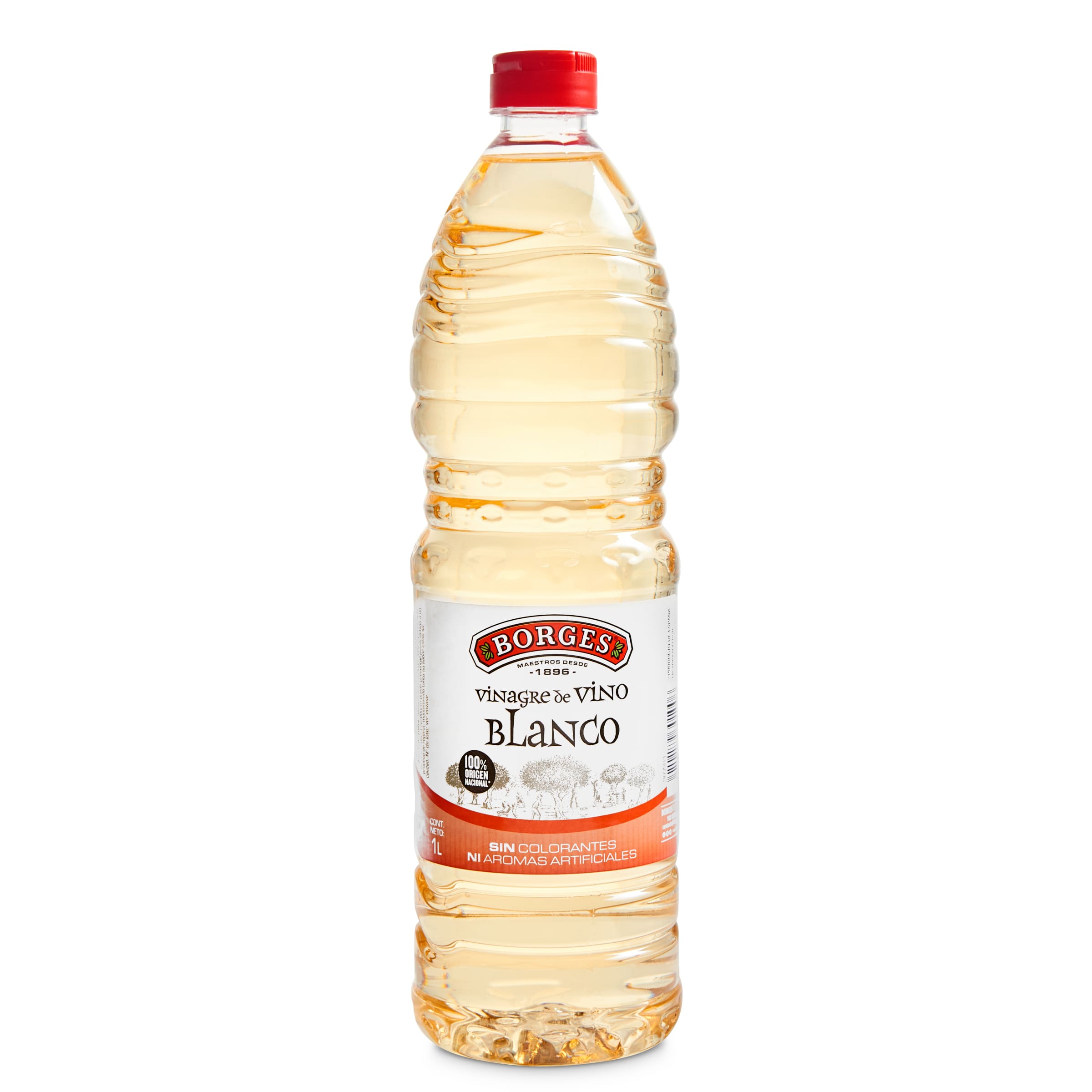
Products in our Spanish database containing this additive
Examples found in ComerClaro Spanish product database
Product names and supermarket data may appear in Spanish.

Classification:
Statistics
276
total views
Something wrong?
If you notice incorrect or incomplete information, help us improve the platform.