Sodium nitrite
Score impact
-1.20
points/product
Description
Sodium nitrite (E250) is a food additive belonging to the preservative category. It is mainly used to preserve meat and meat products, inhibiting the growth of bacteria such as Clostridium botulinum, and also to fix the characteristic red color of sausages and hams.
Chemically, it is an inorganic salt with the formula NaNO2, appearing as a white or slightly yellowish crystalline powder, hygroscopic and soluble in water. Industrially, it is obtained by reducing sodium nitrate with lead or by absorbing nitrogen oxides in a sodium carbonate solution.
Its use as a preservative dates back to ancient times, but it was in the 20th century that its use in the food industry became standardized. In the European Union, E250 is authorized by Regulation (EC) No 1333/2008, with maximum limits varying by product. The European Food Safety Authority (EFSA) has evaluated its safety on several occasions, establishing an Acceptable Daily Intake (ADI) of 0-0.07 mg/kg body weight. The World Health Organization (WHO) has also set a similar ADI. However, controversy exists because, under certain conditions, nitrites can react with secondary amines present in foods to form nitrosamines, potentially carcinogenic compounds.
Therefore, it is recommended to limit its consumption, especially in children and people with certain health conditions. On the label, it must appear as 'sodium nitrite' or 'E250'.
E250 is mainly used in processed meat products: sausages (hot dogs, chorizo, mortadella), cooked ham, bacon, canned meat, pâtés, and similar products. It is also used in some fish and cheeses.
In Spain, it is commonly found in brands such as Campofrío, El Pozo, or Noel. The authorized limits under Regulation EC 1333/2008 are: for heat-treated meat products, up to 150 mg/kg; for cured meat products, up to 150 mg/kg; for bacon, up to 150 mg/kg; for canned meat products, up to 150 mg/kg. In the United States, the FDA allows up to 200 ppm (mg/kg) in cured meats, while in Japan the limit is 70 mg/kg for most products.
The difference in limits reflects different risk assessments and culinary traditions.
The documented adverse effects of sodium nitrite are mainly related to the formation of nitrosamines, carcinogenic compounds that can be generated during cooking at high temperatures or under acidic conditions. Epidemiological studies have associated high consumption of processed meats with an increased risk of colorectal cancer, although the evidence is not conclusive due to confounding factors.
The biological mechanism involves the nitrosation of secondary amines in the stomach. Sensitive populations include children under 6 months (risk of methemoglobinemia), people with glucose-6-phosphate dehydrogenase deficiency, and those with respiratory diseases such as asthma. Drug interactions: it may potentiate the effects of organic nitrates (such as nitroglycerin) and phosphodiesterase-5 inhibitors (sildenafil). EFSA and WHO conclude that, within established limits, the risk is low, but recommend minimizing exposure, especially in children.
There are no significant acute side effects at permitted doses.
- Sodium nitrite
- INS 250
- Sodium nitrite
- Nitrous acid sodium salt
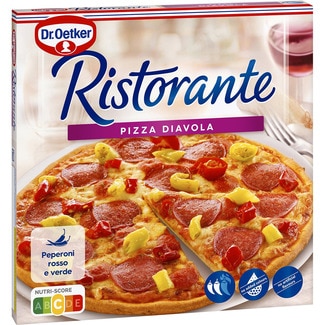
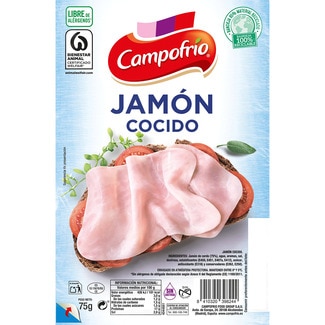
Products in our Spanish database containing this additive
Examples found in ComerClaro Spanish product database
Product names and supermarket data may appear in Spanish.
Classification:
Statistics
688
total views
Something wrong?
If you notice incorrect or incomplete information, help us improve the platform.