Sodium nitrate
Score impact
-0.70
points/product
Description
The food additive E251, also known as sodium nitrate, is a preservative widely used in the food industry, especially in cured meat products. It is an inorganic salt of sodium and nitric acid, with the formula NaNO₃. Its origin is both natural and synthetic: it occurs naturally in soil, water, and some vegetables, but for food use it is produced industrially by neutralizing nitric acid with sodium carbonate or by oxidizing ammonia followed by absorption in a sodium base.
The product obtained is a white crystalline powder, odorless, salty tasting, and very soluble in water. Its main function is as a preservative, as it inhibits the growth of bacteria, especially Clostridium botulinum, and also helps fix the characteristic red color of cured meats and develop their flavor. Historically, the use of nitrates in meat preservation dates back to ancient times, but its approval as an additive in the European Union was formalized with Directive 95/2/EC and is currently regulated by Regulation (EC) 1333/2008.
The European Food Safety Authority (EFSA) has re-evaluated its safety several times, most recently in 2017, establishing an Acceptable Daily Intake (ADI) of 3.7 mg/kg body weight for the nitrate ion. The World Health Organization (WHO) and the Joint FAO/WHO Expert Committee on Food Additives (JECFA) have also set the same ADI.
The overall safety assessment indicates that, within legal limits, E251 does not pose a significant health risk to the general population. However, controversy exists because nitrates can be converted to nitrites in the body, and these can in turn react with amines to form nitrosamines, potentially carcinogenic compounds.
Therefore, it is recommended to moderate the consumption of processed foods rich in nitrates. On labeling, it must appear as "sodium nitrate" or "E251" in the ingredient list.
E251 is mainly used as a preservative in cured and processed meat products, such as hams, sausages, bacon, chorizo, salami, and other cold cuts. It is also used in some cheeses and smoked fish.
In the Spanish market, it is commonly found in brands such as Campofrío, ElPozo, Casa Tarradellas, among others. The authorized limits in the European Union, according to Regulation (EC) 1333/2008, vary by product: for example, in heat-untreated cured meat products, the maximum limit is 250 mg/kg (expressed as nitrate ion); in heat-treated meat products, the limit is 150 mg/kg; in cheeses, the limit is 50 mg/kg.
In comparison, the US FDA allows the use of sodium nitrate in cured meats with similar limits, although with some differences in categories. Japan also permits it, but with stricter restrictions in certain products.
It is important to note that the addition of nitrates is prohibited in certified organic foods in the EU.
The documented adverse effects of E251 are mainly related to its conversion to nitrites and the subsequent formation of nitrosamines, which are carcinogenic compounds in laboratory animals. Epidemiological studies have associated high consumption of processed meats with an increased risk of colorectal cancer, although the evidence is not conclusive for nitrate alone.
The biological mechanism involves the reduction of nitrate to nitrite by oral bacteria and in the gastrointestinal tract; nitrite can react with secondary and tertiary amines (present in meat) to form nitrosamines under acidic conditions (stomach). Sensitive populations include infants under 6 months, as their immature enzyme system can convert more nitrate to nitrite, causing methemoglobinemia (a disorder that reduces the blood's ability to carry oxygen). Therefore, it is recommended to avoid consumption of foods with added nitrates in infants.
No significant interactions with medications are known, although high nitrate intake may interfere with the metabolism of vitamin C and antioxidants. EFSA and WHO conclude that, respecting the ADI of 3.7 mg/kg/day, the risk is low for the general population. However, they recommend minimizing exposure to nitrates and nitrites in the diet, especially in children.
- Sodium nitrate
- Chile saltpeter
- Sodium nitrate
- Soda niter
- Sodium nitrate (E251)
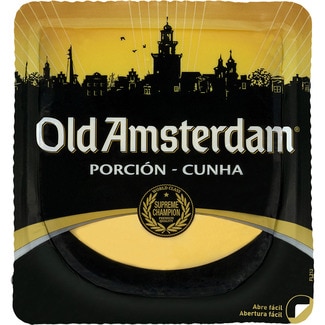
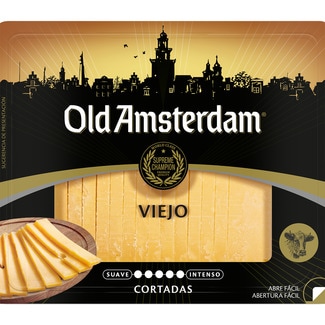
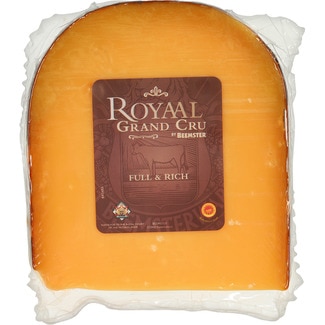
Products in our Spanish database containing this additive
Examples found in ComerClaro Spanish product database
Product names and supermarket data may appear in Spanish.
Classification:
Statistics
261
total views
Something wrong?
If you notice incorrect or incomplete information, help us improve the platform.