Potassium acetates
Score impact
0.00
points/product
Description
The food additive E261, known as potassium acetates, is the potassium salt of acetic acid. It appears as a white crystalline powder, hygroscopic, with a salty and slightly acidic taste. Industrially, it is obtained by neutralizing acetic acid with potassium carbonate or hydroxide, followed by crystallization and drying. Its chemical formula is CH3COOK and its molar mass is 98.14 g/mol.
It is highly soluble in water and ethanol, and its pH in aqueous solution is slightly alkaline (7.5-9.0). As a preservative, it acts by inhibiting the growth of molds and bacteria, especially in products with acidic pH. It is also used as an acidity regulator and flavor enhancer.
Its use as a food additive was approved in the European Union after evaluations by EFSA, which established an Acceptable Daily Intake (ADI) of 30 mg/kg body weight for acetates (expressed as acetic acid). The WHO has also evaluated it, confirming its safety at authorized doses. On the label, it must appear as 'potassium acetates' or 'E261'.
Globally, it is considered a safe additive, with no significant adverse effects at permitted use concentrations.
E261 is mainly used as a preservative and acidity regulator in a wide variety of foods. According to Regulation EC 1333/2008, it is authorized in products such as sliced bread and pastries (up to 2000 mg/kg expressed as acetic acid), canned vegetables and pickles (up to 2500 mg/kg), sauces and dressings (up to 5000 mg/kg), and heat-treated meat products (up to 3000 mg/kg).
In the Spanish market, it is found in industrial sliced bread, canned olives, pickled gherkins, mayonnaise, and ketchup-type sauces. It is also used in broths and dehydrated soups. Compared to the FDA, in the United States potassium acetates are considered GRAS (Generally Recognized as Safe) without specific limits, although their use is limited by good manufacturing practices. In Japan, their use is permitted in certain foods such as pickles and bakery products with limits similar to European ones.
Potassium acetates are generally safe at authorized doses. EFSA has established an ADI of 30 mg/kg bw/day (expressed as acetic acid), based on chronic toxicity studies in animals that showed no relevant adverse effects. In humans, very high doses (above 500 mg/kg) could cause mild gastrointestinal discomfort such as nausea or diarrhea, due to the osmotic action of acetate.
No carcinogenic, genotoxic, or teratogenic effects have been documented. Sensitive populations such as people with kidney failure should be cautious due to the potassium content, although the amounts in foods are small. No significant drug interactions are known.
The WHO concludes that there is no health risk at current use levels.
- Potassium diacetate
- Potassium salt of acetic acid
- Potassium acetate
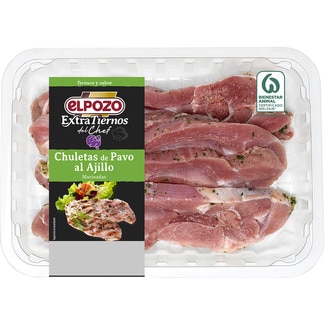
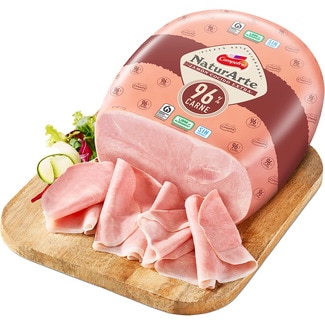
Products in our Spanish database containing this additive
Examples found in ComerClaro Spanish product database
Product names and supermarket data may appear in Spanish.

Classification:
Statistics
215
total views
Something wrong?
If you notice incorrect or incomplete information, help us improve the platform.