Calcium acetate
Score impact
0.00
points/product
Description
Calcium acetate (E263) is a food additive authorized in the European Union as a preservative and acidity regulator. It is the calcium salt of acetic acid, with the chemical formula Ca(CH3COO)2. Industrially, it is obtained by reacting acetic acid (vinegar) with calcium carbonate or calcium hydroxide, followed by crystallization and drying.
It appears as a white, crystalline powder, odorless or with a slight odor of acetic acid, soluble in water and slightly soluble in alcohol. Its main function is to inhibit the growth of molds and bacteria in baked goods, as well as to adjust pH in various foods.
Historically, calcium acetate has been used since the early 20th century as a preservative, and was approved in the EU following evaluations by EFSA and the Joint FAO/WHO Expert Committee on Food Additives (JECFA). EFSA established an Acceptable Daily Intake (ADI) of 0-15 mg/kg body weight for calcium from all additives, considering calcium acetate safe at authorized use levels.
WHO also classifies it as safe. On food labels, it must be listed as 'calcium acetate' or 'E263'. Globally, it is considered a low-risk additive, although its consumption should be evaluated in the context of total calcium intake to avoid excess.
E263 is mainly used as a preservative in bakery and pastry products (sliced bread, muffins, sponge cakes) to prevent mold growth and extend shelf life. It also acts as an acidity regulator in dairy products (processed cheeses, yogurts) and canned vegetables.
In the Spanish market, it is commonly found in packaged breads, cakes, and industrial pastries. According to Regulation EC 1333/2008, authorized limits vary: in breads and fine bakery products, up to 2000 mg/kg (expressed as acetic acid); in processed cheeses, up to 1000 mg/kg; in canned fruits and vegetables, up to 500 mg/kg. The FDA recognizes it as GRAS (Generally Recognized As Safe) for similar uses, with no specific limits beyond good manufacturing practices. In Japan, its use is permitted in bakery and other foods, with limits comparable to European ones.
Calcium acetate is considered safe at authorized doses. EFSA and WHO conclude that there is no evidence of significant adverse effects in humans. No allergic reactions or acute toxicity have been documented. However, as a source of calcium, excessive consumption could contribute to high calcium intake, which in predisposed individuals may increase the risk of hypercalcemia or kidney stones. Nevertheless, the amounts present in foods are small compared to total dietary calcium intake.
No relevant drug interactions have been described. Sensitive populations such as individuals with kidney failure should monitor their calcium intake, but E263 does not pose an additional risk if consumed within established limits. In conclusion, EFSA and WHO consider it safe for the general population.
- Calcium acetate
- Calcium acetate salt
- Acetic acid calcium salt
- Calcium diacetate
- Lime acetate
- Vinegar calcium
- Ethanoic acid calcium salt
- Anhydrous calcium acetate
- Calcium diacetate
- Diacetate of calcium
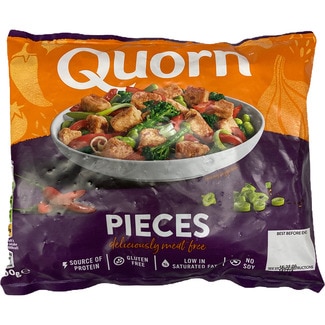
Products in our Spanish database containing this additive
Examples found in ComerClaro Spanish product database
Product names and supermarket data may appear in Spanish.


Classification:
Statistics
213
total views
Something wrong?
If you notice incorrect or incomplete information, help us improve the platform.