Buffered vinegar
Score impact
0.00
points/product
Description
The food additive E267, known as buffered vinegar, is an aqueous solution of acetic acid (E260) and sodium acetate (E262i) or potassium acetate (E261) that acts as an acidity regulator and pH adjuster. It is obtained industrially by controlled mixing of acetic acid (produced by fermentation or chemical synthesis) with its sodium or potassium salt, adjusting the proportion to achieve a stable pH (generally between 4.5 and 5.5).
Physically, it is a transparent liquid with a vinegar odor, soluble in water, and has a buffering capacity that resists pH changes. Its main function is to maintain constant acidity in processed foods, preventing variations that affect taste, texture, or preservation.
Historically, vinegar has been used since ancient times, but its buffered version was developed in the 20th century for industrial applications. The European Union approved it as a food additive in Directive 95/2/EC, and since then it has been re-evaluated by EFSA. In 2012, EFSA established an Acceptable Daily Intake (ADI) of 30 mg/kg body weight for acetic acid and its salts, considering E267 safe at authorized use levels. WHO, through JECFA, also evaluated it and set a similar ADI.
The overall safety assessment is very favorable: no significant health risks have been identified at the doses used. On labeling, it must appear as "buffered vinegar" or "E267" in the ingredient list. It is important to note that buffered vinegar should not be confused with common vinegar, as its buffering capacity is superior and standardized for industrial use.
E267 is mainly used in sauces, dressings, mayonnaise, canned vegetables, pickles, soups, broths, and processed meat products.
In the Spanish market, it is found in brands such as Heinz (ketchup and mayonnaise), Gallina Blanca (broths), and Conservas Ortiz (pickles). Regulation EC 1333/2008 authorizes its use in quantum satis amounts (no specific maximum limit) in most foods, except in some like fruit juices and milk, where it is restricted. In the United States, the FDA considers it GRAS (Generally Recognized as Safe) and does not set specific limits. In Japan, buffered vinegar is allowed as a food additive without quantitative restrictions.
The comparison shows global harmonization in its safety and use.
No significant adverse effects have been documented associated with the consumption of E267 in the amounts present in foods. EFSA, in its 2012 re-evaluation, concluded that there is no risk of acute toxicity, chronic toxicity, genotoxicity, carcinogenicity, or reproductive toxicity. The biological mechanism of acetic acid and its salts is well known: it is metabolized to carbon dioxide and water, without accumulation in the body. Sensitive populations, such as people with chronic kidney disease, may need to moderate their intake of sodium or potassium salts, but the contribution from E267 is minimal compared to the total diet.
No interactions with medications have been reported. WHO/JECFA also supports its safety. In conclusion, E267 is considered safe under authorized conditions of use.
- Sodium acetate and acetic acid
- Acetic acid buffered
- Regulated vinegar
- Acetate mixture
- Sodium acetate
- Acetic acid
- Sodium diacetate
- Sodium hydrogen diacetate
- Buffered vinegar
- Vinegar powder
- Buffered vinegar
- Mixture of acetic acid and sodium acetate
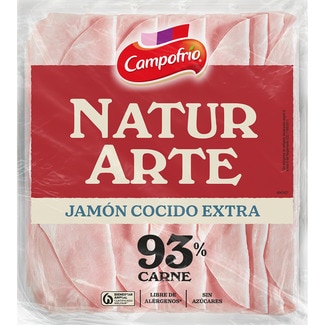
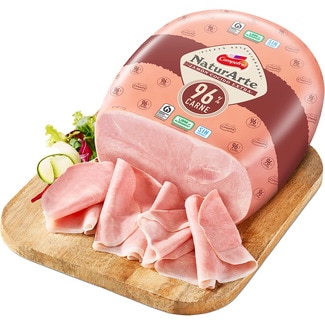
Products in our Spanish database containing this additive
Examples found in ComerClaro Spanish product database
Product names and supermarket data may appear in Spanish.
Classification:
Statistics
598
total views
Something wrong?
If you notice incorrect or incomplete information, help us improve the platform.