Sodium tetraborate (borax)
Score impact
-1.00
points/product
Description
The food additive E285, also known as sodium tetraborate or borax, is an inorganic compound historically used as a preservative in foods, especially caviar and other fish products. Its origin is natural, as it is found in borax mineral deposits, mainly in Turkey and the United States.
Industrially, it is obtained by purifying borate minerals, which are dissolved in hot water, filtered, and crystallized. Sodium tetraborate is a white, odorless crystalline powder, soluble in water, with a slightly alkaline taste. Its main function is to inhibit the growth of microorganisms and act as an acidity regulator.
Historically, borax has been used as a preservative since the 19th century, but its approval in the European Union has been controversial. The European Food Safety Authority (EFSA) evaluated E285 and concluded that an acceptable daily intake (ADI) could not be established due to concerns about reproductive and developmental toxicity. As a result, the EU banned its use in food in 2010 (Regulation (EU) No 257/2010). The World Health Organization (WHO) has also noted similar risks.
Regarding labeling, products containing E285 must declare it in the ingredient list, although its use is currently not permitted in foods marketed in the EU. The overall safety assessment is unfavorable: it is considered an unsafe additive for use in food due to evidence of adverse effects on fertility and fetal development.
Therefore, consumers should avoid products containing this additive, especially pregnant women or women of childbearing age.
E285 (sodium tetraborate) has traditionally been used as a preservative in caviar and other fish products, as well as in some pickles and meat products.
In the Spanish market, before its ban, it could be found in imported caviar. The authorized limits under Regulation EC 1333/2008 were up to 4 g/kg in caviar, but since 2010 its use has been banned in the EU. In the United States, the FDA does not allow borax as a direct food additive, although it is used in some dietary supplements as a source of boron. In Japan, borax is permitted in certain products such as caviar.
Currently, there are no authorized uses in the EU, and products containing it cannot be legally marketed.
Documented adverse effects of sodium tetraborate (E285) include reproductive and developmental toxicity. Animal studies have shown that exposure to high doses of boron can cause male infertility, reduced testicle size, and adverse effects on fetal development, such as low birth weight and malformations.
The proposed biological mechanism involves interference with hormonal signaling and oxidative stress. Sensitive populations include pregnant women, women of childbearing age, and children. No significant interactions with medications at dietary doses have been reported, but cumulative exposure through other sources (water, cosmetics) could increase risk. EFSA concluded that an ADI could not be established due to evidence of reproductive toxicity and recommended banning its use in food. The WHO has also set a tolerable intake limit for boron of 0.16 mg/kg body weight per day, but sodium tetraborate as an additive easily exceeds this limit.
Therefore, E285 is considered not safe for use in food.
- Borax
- Sodium tetraborate decahydrate
- Sodium borate
- Sodium tetraborate
- Borax
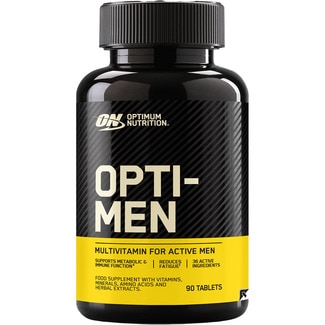
Products in our Spanish database containing this additive
Examples found in ComerClaro Spanish product database
Product names and supermarket data may appear in Spanish.

Classification:
Statistics
301
total views
Something wrong?
If you notice incorrect or incomplete information, help us improve the platform.