Carbon dioxide
Score impact
0.00
points/product
Description
Carbon dioxide (CO₂) is a colorless, odorless, non-flammable gas that occurs naturally in the atmosphere and is produced by respiration of living beings and combustion. As a food additive, it is designated as E290 and is mainly used as a carbonating agent in carbonated beverages, but also functions as a preservative (by displacing oxygen) and as a packaging gas to protect perishable foods.
Industrially, CO₂ is obtained as a byproduct of ammonia production or alcoholic fermentation, or captured from natural sources. It is purified through absorption, distillation, and filtration processes to meet food-grade purity standards. Its physicochemical properties include a density of 1.98 g/L at 0 °C and 1 atm, solubility in water of 1.45 g/L at 25 °C and 1 atm, and a sublimation point of -78.5 °C. In aqueous solution, it forms carbonic acid, contributing to the characteristic acidic taste of carbonated beverages. The main function of E290 is to provide effervescence and a refreshing sensation, in addition to inhibiting microbial growth in some products. Historically, the use of CO₂ in beverages dates back to the 18th century, when Joseph Priestley discovered the carbonation process.
In the European Union, E290 has been authorized as a food additive since the first listings of Directive 95/2/EC, and its use is regulated by Regulation (EC) No 1333/2008. The European Food Safety Authority (EFSA) has evaluated carbon dioxide on several occasions, concluding that it poses no health risk at the levels used in foods. The World Health Organization (WHO) and the Joint FAO/WHO Expert Committee on Food Additives (JECFA) have not established a specific Acceptable Daily Intake (ADI), as CO₂ is considered a normal component of human metabolism and its intake through food is low compared to endogenous production.
The overall safety assessment is very favorable: E290 is recognized as safe (GRAS) by the US FDA, and no significant adverse effects in humans have been documented at authorized use levels. In labeling, it must appear as "carbon dioxide" or "E290" in the ingredient list, especially in carbonated beverages and products packaged under modified atmosphere.
E290 is mainly used as a carbonating agent in carbonated beverages: soft drinks, sparkling water, beers, ciders, and sparkling wines. It is also used as a packaging gas in modified atmosphere to extend the shelf life of meats, fish, dairy products, fruits, and vegetables, and as a preservative in some products by displacing oxygen.
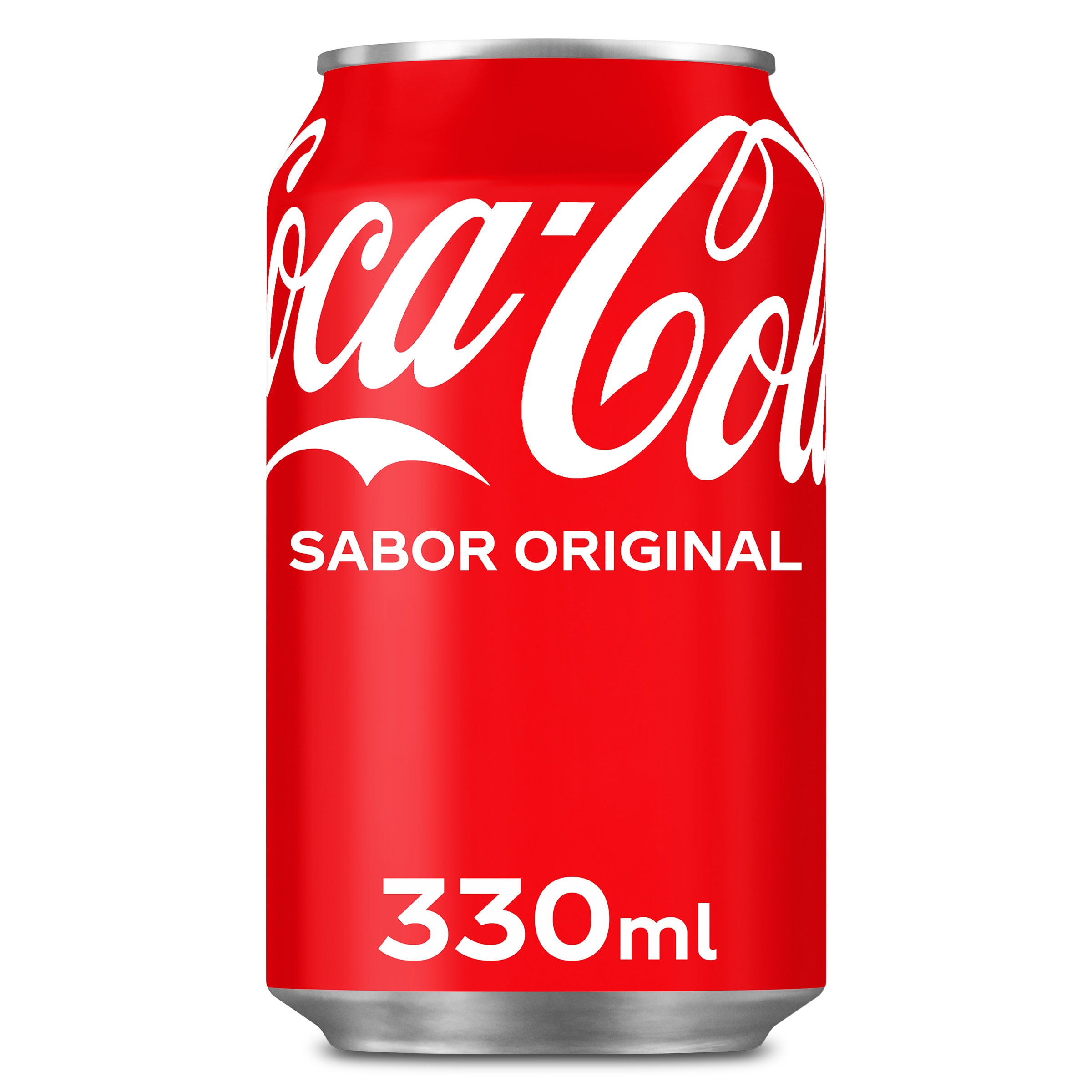
In the Spanish market, common examples include soft drink brands such as Coca-Cola, Fanta, Aquarius, as well as sparkling mineral waters like Vichy Catalán or Bezoya. The authorized limits under EC Regulation 1333/2008 are "quantum satis" (sufficient amount) for most applications, meaning no specific maximum limit is set, but it is used according to good manufacturing practices.
In the non-alcoholic beverage category, CO₂ can be added without quantitative restriction. Compared to the FDA, which also considers it GRAS without specific limits, and Japan, where it is permitted as an additive in the list of existing substances, the use is similar. However, in some countries like Japan, CO₂ for food use must meet specific purity standards.
Carbon dioxide is a natural component of the body and is constantly produced in cellular metabolism. Documented adverse effects are minimal and generally associated with excessive consumption of carbonated beverages, such as a feeling of bloating, belching, or flatulence due to gas release in the gastrointestinal tract.
There is no evidence of systemic toxicity at dietary intake levels. Animal studies have shown no carcinogenic or teratogenic effects. Sensitive populations, such as individuals with gastrointestinal disorders (reflux, irritable bowel syndrome), may experience discomfort with highly carbonated beverages, but this is not considered a serious risk.
No interactions with medications are known. EFSA and WHO conclude that CO₂ is safe at the levels used in foods, and no ADI has been established because dietary intake is negligible compared to endogenous production (approximately 1 kg/day of CO₂ produced by metabolism). In inhalation, high concentrations can cause asphyxiation, but this is not relevant for food consumption. In summary, E290 has no significant documented side effects in humans at normal use levels.
- Carbon dioxide
- Carbonic anhydride
- Carbonic acid gas
- CO₂
- Carbon dioxide
- Carbonic acid gas
- Carbon oxide (IV)
- Carbon dioxide snow (solid state)
- Dry ice
- Fermentation gas
- Liquefied carbon dioxide
- Carbon dioxide
- Anhydrous carbonic acid
Products in our Spanish database containing this additive
Examples found in ComerClaro Spanish product database
Product names and supermarket data may appear in Spanish.


Classification:
Statistics
295
total views
Something wrong?
If you notice incorrect or incomplete information, help us improve the platform.