Sodium ascorbate
Score impact
+0.70
points/product
Description
E301, or sodium ascorbate, is the sodium salt of ascorbic acid (vitamin C). It is used as an antioxidant in foods to prevent oxidation and deterioration of color, flavor, and nutritional value. Industrially, it is produced by fermentation of glucose followed by chemical reactions that convert ascorbic acid into its sodium salt.
It is a white crystalline powder, odorless, with a salty taste, very soluble in water and slightly soluble in alcohol. Its main function is to scavenge oxygen and reduce oxidized compounds, thus protecting foods from rancidity and browning.
It was approved as a food additive in the European Union after evaluations by EFSA and WHO, which established an Acceptable Daily Intake (ADI) of 0-15 mg/kg body weight (as ascorbic acid).
The overall safety assessment is very favorable: it is considered a safe additive with no significant adverse effects at authorized doses. On labels, it must be listed as "sodium ascorbate" or "E301".
Sodium ascorbate is used in a wide variety of foods: meat products (sausages, cooked ham), processed fish and seafood, canned fruits and vegetables, juices and nectars, beer and wine, bakery and pastry products, and infant foods.
In the Spanish market, it is found in Frankfurt sausages, pâtés, canned tuna, fruit purees, and isotonic drinks. Regulation EC 1333/2008 sets maximum limits that vary by category: for example, 500 mg/kg in heat-treated meat products, 300 mg/kg in frozen fish, and 200 mg/kg in juices. In the United States, the FDA considers it GRAS (Generally Recognized as Safe) without specific limits, while in Japan it is allowed with restrictions similar to European ones.
Sodium ascorbate is generally safe at the doses used as an additive. No significant adverse effects in humans have been documented. At very high doses (far above the ADI), it could cause gastrointestinal discomfort such as diarrhea or flatulence, but this does not occur at the levels present in foods.
EFSA and WHO conclude that there is no evidence of toxicity, carcinogenicity, or teratogenicity. Sensitive populations such as people with kidney failure should monitor sodium intake, but the contribution from the additive is minimal. No relevant drug interactions are known.
In summary, E301 is one of the safest additives and its use is fully justified.
- Sodium ascorbate
- Sodium salt of vitamin C
- L-Sodium ascorbate
- Monosodium ascorbate
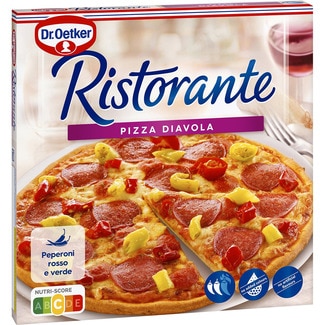
Products in our Spanish database containing this additive
Examples found in ComerClaro Spanish product database
Product names and supermarket data may appear in Spanish.


Classification:
Statistics
271
total views
Something wrong?
If you notice incorrect or incomplete information, help us improve the platform.