Sodium erythorbate
Score impact
0.00
points/product
Description
E316, also known as sodium erythorbate, is a food additive classified as an antioxidant. It is the sodium salt of erythorbic acid, an isomer of ascorbic acid (vitamin C) with similar antioxidant properties but without significant vitamin activity. Its origin is synthetic, although erythorbic acid can be found naturally in some microorganisms.
Industrially, it is obtained by microbial fermentation from glucose, followed by oxidation and neutralization with sodium hydroxide. It is a white or slightly yellowish crystalline powder, odorless, with a salty taste, very soluble in water and slightly soluble in ethanol. Its main function is to prevent food oxidation, especially discoloration and rancidity of fats, as well as to preserve the color of processed meats and meat products.
It was approved as a food additive in the European Union after evaluations by EFSA (European Food Safety Authority) and WHO (World Health Organization) through JECFA (Joint FAO/WHO Expert Committee on Food Additives). EFSA has established an Acceptable Daily Intake (ADI) of 6 mg/kg body weight/day, based on toxicological studies that showed no significant adverse effects. WHO/JECFA also considers it safe at authorized doses. Regarding food safety, sodium erythorbate is generally recognized as safe (GRAS) by the FDA in the United States, with limits similar to European ones.
Labeling in the EU must include its name or E number, and its use is permitted in a wide variety of foods. No serious side effects in humans have been documented at permitted doses, although very high doses could cause gastrointestinal discomfort.
In summary, E316 is a safe and effective additive for preventing oxidation in processed foods.
Sodium erythorbate is mainly used in meat and poultry products to maintain red color and prevent fat oxidation. It is also used in beverages, fruit juices, canned vegetables, bakery products, sauces, and processed foods in general.
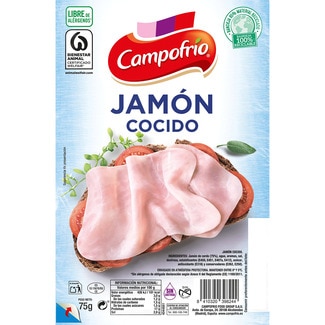
In the Spanish market, it is found in sausages such as hot dogs, cooked ham, pâtés, as well as in soft drinks and fruit nectars. Authorized limits according to EC Regulation 1333/2008 vary by category: for example, in heat-treated meat products up to 500 mg/kg, in non-alcoholic beverages up to 300 mg/L, and in canned vegetables up to 200 mg/kg. Compared to the FDA, limits are similar, although in Japan its use is more restricted in certain products.
The main function is to act as an antioxidant, extending shelf life and maintaining sensory quality.
Toxicological studies conducted by EFSA and JECFA have not shown significant adverse effects in humans at authorized doses. In animals, very high doses (above 1000 mg/kg/day) have caused effects such as diarrhea and renal calcification, but these levels are not achievable through a normal diet.
No relevant biological mechanism of toxicity has been established. Sensitive populations, such as people with kidney failure, could have a higher risk of oxalate accumulation, but there is no conclusive evidence. No interactions with medications are known. EFSA concludes that sodium erythorbate is safe at current use levels and that estimated exposure is below the ADI. WHO/JECFA also considers it safe.
In summary, there are no documented side effects for the average consumer.
- Sodium erythorbate
- Erythorbic acid sodium salt
- Sodium isoascorbate
- Sodium erythorbate
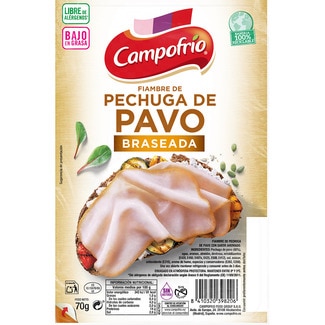
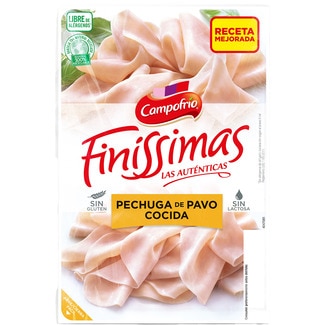
Products in our Spanish database containing this additive
Examples found in ComerClaro Spanish product database
Product names and supermarket data may appear in Spanish.
Classification:
Statistics
292
total views
Something wrong?
If you notice incorrect or incomplete information, help us improve the platform.