Tertiary butylhydroquinone TBHQ
Score impact
-1.00
points/product
Description
The food additive E319, also known as tertiary butylhydroquinone or TBHQ (tert-butylhydroquinone), is a synthetic antioxidant used to prevent oxidation and rancidity of fats and oils in processed foods. It belongs to the category of phenolic antioxidants, together with BHA (E320) and BHT (E321).
TBHQ is produced synthetically by alkylation of hydroquinone with isobutylene in the presence of an acid catalyst. It is an organic compound with formula C10H14O2, molecular weight 166.22 g/mol. It appears as a white or slightly beige crystalline powder, with a melting point of 127-129 °C and is soluble in fats and organic solvents, but poorly soluble in water.
Its function is to act as an antioxidant by donating hydrogen atoms to free radicals generated during lipid oxidation, thus interrupting the chain reaction. It is especially effective in vegetable oils, animal fats, and fried products.
TBHQ was first evaluated by the Scientific Committee for Food (SCF) in 1978 and subsequently by the European Food Safety Authority (EFSA) in 2004 and 2012. EFSA established an Acceptable Daily Intake (ADI) of 0-0.7 mg/kg body weight. The World Health Organization (WHO) and the Joint FAO/WHO Expert Committee on Food Additives (JECFA) also set the same ADI. In the European Union, its use is regulated by Regulation (EC) No 1333/2008, which allows its addition in certain foods with specific maximum limits.
EFSA and WHO consider TBHQ safe at authorized levels. However, some animal studies have shown adverse effects at high doses, such as liver and kidney damage, but these are not relevant for human exposure within the ADI. In the European Union, labeling must include the name or E number of the additive in the ingredient list. Although there are no significant controversies, some consumers prefer to avoid synthetic antioxidants, opting for natural alternatives such as tocopherol (E306).
E319 (TBHQ) is mainly used in foods rich in fats and oils to prevent oxidation and rancidity. According to Regulation (EC) No 1333/2008, it is authorized in the following food categories with maximum limits: fats and oils (except virgin olive oil) up to 200 mg/kg; cereal- or potato-based snack products up to 200 mg/kg; processed nuts up to 200 mg/kg; dehydrated soups and broths up to 200 mg/kg; emulsified sauces up to 200 mg/kg; and heat-treated meat products (in combination with other antioxidants) up to 100 mg/kg.
In the Spanish market, it is found in bagged potato chips, fried nuts (such as peanuts or salted almonds), savory crackers, instant soups, sauces like mayonnaise, and margarines. Compared to the US FDA, TBHQ is allowed in fats and oils up to 200 ppm (mg/kg), similar to the EU. In Japan, its use is restricted to certain foods and with lower limits (e.g., 100 mg/kg in fats). The ADI of 0-0.7 mg/kg bw is consistent internationally.
Documented side effects of TBHQ come mainly from animal studies with doses much higher than the ADI. In rats, high doses (above 500 mg/kg bw/day) have been associated with liver and kidney damage and thyroid alterations. However, EFSA concluded that there is no evidence of adverse effects in humans within current exposure limits.
The proposed biological mechanism for toxicity at high doses includes oxidative stress and formation of reactive metabolites. Sensitive populations: individuals with glucose-6-phosphate dehydrogenase (G6PD) deficiency could be more susceptible to hemolysis, although there are no conclusive data. Drug interactions: no significant interactions have been reported.
WHO and EFSA consider that TBHQ is not carcinogenic, mutagenic, or toxic for reproduction at authorized doses. In summary, for the general population, consumption of TBHQ within legal limits does not pose a health risk.
- TBHQ
- Tert-butylhydroquinone
- Mono-tert-butylhydroquinone
- 2-(1,1-Dimethylethyl)-1,4-benzenediol
- t-Butylhydroquinone
- Tert-butylhydroquinone
- Antocina
- Monoter-butylhydroquinone
- Pure TBHQ
- Synthetic antioxidant 202
- 2-tert-butyl-1,4-benzenediol
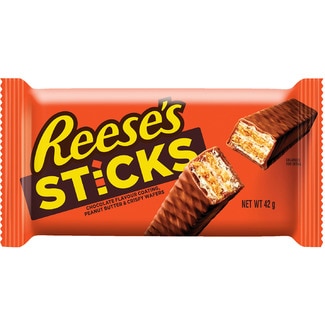
Products in our Spanish database containing this additive
Examples found in ComerClaro Spanish product database
Product names and supermarket data may appear in Spanish.


Classification:
Statistics
317
total views
Something wrong?
If you notice incorrect or incomplete information, help us improve the platform.