Sodium lactate
Score impact
0.00
points/product
Description
Sodium lactate (E325) is a food additive that acts as a preservative, humectant, and acidity regulator. It is the sodium salt of lactic acid, a natural compound present in the human body and in fermented foods such as yogurt or cheese.
Industrially, it is obtained by bacterial fermentation of carbohydrates (corn, beet) or chemical synthesis, followed by neutralization with sodium hydroxide. It is a colorless, odorless liquid, highly soluble in water, with a slightly salty taste. Its main function is to inhibit the growth of pathogenic microorganisms (such as Listeria monocytogenes and Clostridium botulinum) by reducing water activity and acidifying the medium. It also retains moisture in meat and bakery products, improving texture and juiciness.
Sodium lactate was approved as a food additive in the European Union after evaluations by EFSA (European Food Safety Authority) and JECFA (Joint FAO/WHO Expert Committee on Food Additives). EFSA established an Acceptable Daily Intake (ADI) of "not specified," meaning it is not considered a health risk at the amounts used. WHO also classifies it as safe. On labels, it must appear as "sodium lactate" or "E325." Although it is a safe additive, some consumers avoid it due to personal preferences or low-sodium diets.
In summary, E325 is an effective and well-tolerated preservative, with a safety profile supported by decades of use and scientific studies.
Sodium lactate is mainly used in meat and poultry products (sausages, cooked ham, hot dogs, turkey breast) to inhibit pathogens and extend shelf life. It is also used in bakery and industrial pastries as a humectant, in isotonic and sports drinks as an acidity regulator, and in dairy products (processed cheeses, custards) to improve texture.
In the Spanish market, it is commonly found in brands such as Campofrío, ElPozo, or Noel in cold cuts, and in Bimbo sliced bread or supermarket rolls. Regulation EC 1333/2008 authorizes its use in "sufficient quantity" (quantum satis) in most categories, except in some products where maximum limits apply (e.g., 4 g/kg in heat-treated meats).
The FDA considers it GRAS (Generally Recognized as Safe) without specific limits, while Japan allows it with restrictions similar to the EU. There are no significant differences in international regulations.
Sodium lactate is considered safe by EFSA and WHO, with no documented adverse effects at the doses used in foods. The ADI of "not specified" indicates no risk even with high intakes. However, as a sodium salt, excessive consumption could contribute to total sodium intake, which is relevant for people with hypertension or kidney disease.
No allergic reactions or significant drug interactions have been described. Animal studies showed no toxicity or carcinogenicity. EFSA concluded there is no genotoxic concern. In sensitive populations, such as infants, it is used in infant formulas without problems.
In summary, E325 is one of the safest preservatives, and any negative effects would be related to sodium rather than lactate itself.
- Sodium salt of lactic acid
- Sodium lactate (DL)
- EINECS 212-762-3
Products in our Spanish database containing this additive
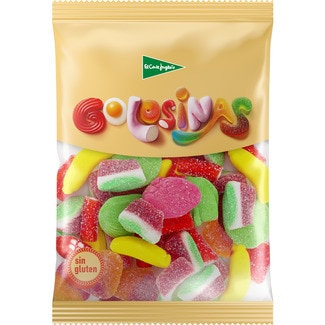
Examples found in ComerClaro Spanish product database
Product names and supermarket data may appear in Spanish.


Classification:
Statistics
319
total views
Something wrong?
If you notice incorrect or incomplete information, help us improve the platform.