Potassium lactate
Score impact
0.00
points/product
Description
Potassium lactate (E326) is a food additive that acts as a preservative, acidity regulator, and flavor enhancer. It is the potassium salt of lactic acid, a natural compound found in fermented foods such as yogurt, cheese, or sauerkraut. Industrially, it is obtained by bacterial fermentation of carbohydrates (such as glucose or sucrose) using bacteria of the genus Lactobacillus, followed by neutralization with potassium hydroxide, and subsequent purification and crystallization. The result is a white, hygroscopic crystalline powder with a slightly bitter salty taste.
It is highly soluble in water and has a pH in aqueous solution between 6.0 and 8.0. Its main function is to inhibit the growth of pathogenic and spoilage microorganisms, especially bacteria such as Clostridium botulinum and Listeria monocytogenes, by reducing water activity and acidifying the medium. It also acts as an acidity regulator, maintaining stable pH in processed products.
Potassium lactate was approved as a food additive in the European Union in 1995 (Directive 95/2/EC) and is currently regulated by Regulation (EC) 1333/2008. The European Food Safety Authority (EFSA) has evaluated its safety on several occasions, most recently in 2018, concluding that there are no safety concerns at authorized use levels. The Joint FAO/WHO Expert Committee on Food Additives (JECFA) has also evaluated it, establishing an acceptable daily intake (ADI) 'not specified', meaning that it is not considered necessary to set a maximum daily intake limit, as it poses no health risks at consumed amounts.
Regarding the overall safety assessment, E326 is considered a safe additive for the general population. No significant adverse effects have been identified in animal or human studies. In food labeling, it must appear as 'potassium lactate' or 'E326'.
It is important to note that, although safe, excessive consumption could contribute to high potassium intake, which may be relevant for people with kidney insufficiency or those taking medications that affect potassium levels, although the amounts present in foods are generally low.
E326 is mainly used in processed meat and poultry products (such as sausages, cooked ham, turkey breast) to extend shelf life and prevent pathogen growth. It is also used in bakery and pastry products (sandwich bread, muffins) as an acidity regulator and preservative. In beverages, especially soft drinks and juices, it acts as an acidulant and flavor enhancer. Other uses include soups, sauces, dairy products (processed cheeses, yogurts), and prepared dishes.
In the Spanish market, it is commonly found in brands such as ElPozo (cold meats), Campofrío (sausages), Bimbo (sandwich bread), and Danone (yogurts). Authorized limits in the EU vary by food category: in heat-treated meat products, up to 20 g/kg; in bakery, up to 5 g/kg; in beverages, up to 3 g/kg. In the United States, the FDA recognizes it as GRAS (Generally Recognized As Safe) and its use is similar, without specific limits for most applications. In Japan, it is also permitted with restrictions similar to European ones.
Potassium lactate is generally recognized as safe. Toxicological studies have not shown significant adverse effects at doses relevant to human consumption. EFSA, in its 2018 re-evaluation, concluded that there is no evidence of genotoxicity, carcinogenicity, or reproductive toxicity.
In humans, high doses (above 5 g/kg body weight) could cause mild gastrointestinal discomfort such as nausea or diarrhea, but these amounts are far higher than those ingested through the diet. A possible indirect side effect is increased potassium intake, which could be problematic for people with kidney insufficiency or those taking medications such as ACE inhibitors or potassium-sparing diuretics, as it could contribute to hyperkalemia. However, the amounts of E326 in foods are low and do not pose a risk to the general population.
WHO and EFSA consider that it is not necessary to establish an ADI, reflecting its safety profile. No significant drug interactions have been documented with consumption of potassium lactate as a food additive.
- Potassium lactate
- Lactic acid, potassium salt
- 2-Hydroxypropanoic acid potassium salt
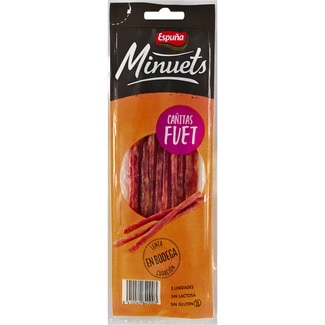
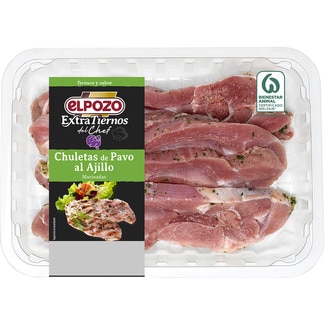
Products in our Spanish database containing this additive
Examples found in ComerClaro Spanish product database
Product names and supermarket data may appear in Spanish.

Classification:
Statistics
210
total views
Something wrong?
If you notice incorrect or incomplete information, help us improve the platform.