Potassium tartrates
Score impact
0.00
points/product
Description
The food additive E336, known as potassium tartrates, is a stabilizer widely used in the food industry. It is the potassium salt of tartaric acid, a natural organic acid found in many fruits, especially grapes. Industrially, it is obtained from winemaking by-products, such as wine lees, through a neutralization process with potassium carbonate or potassium hydroxide, followed by crystallization and purification.
Potassium tartrates appear as colorless crystals or white powder, odorless, with an acidic-salty taste. They are very soluble in water and slightly soluble in alcohol. Their main function is to act as a stabilizer, acidity regulator, and water retention agent. They are also used as emulsifiers and thickeners in certain products.
Historically, tartaric acid and its salts have been used since ancient times in winemaking and bakery products. In the European Union, E336 has been authorized since the first additive lists and its use is regulated by Regulation (EC) No 1333/2008. The European Food Safety Authority (EFSA) has evaluated potassium tartrates several times, most recently in 2020, establishing an Acceptable Daily Intake (ADI) of 30 mg/kg body weight for tartaric acid and its salts (expressed as tartaric acid). The World Health Organization (WHO) has also evaluated this additive, agreeing with the ADI established by EFSA.
The overall safety assessment is very favorable: no significant adverse effects have been identified at authorized use levels. On labeling, it must appear as "potassium tartrates" or "E336".
In summary, E336 is a safe and effective additive, supported by decades of use and rigorous scientific evaluations.
E336 is mainly used as a stabilizer, acidity regulator, and water retention agent in a wide variety of foods. According to Regulation (EC) No 1333/2008, it is authorized in numerous categories, such as fine bakery products (cakes, cookies), desserts, ice cream, confectionery, sauces, canned fruits and vegetables, and beverages.
In the Spanish market, it is found in products such as fruit jellies, jams, hard and soft candies, and some wines (as an acidity corrector). Maximum limits vary by category: for example, in fine bakery products up to 5 g/kg, in ice cream up to 1 g/kg, and in non-alcoholic beverages up to 0.5 g/kg. Compared to the US FDA, potassium tartrates are considered GRAS (Generally Recognized as Safe) and their use has no specific limits, only good manufacturing practices. In Japan, it is also permitted with restrictions similar to European ones.
The versatility of E336 makes it a widely used additive in the European food industry.
Potassium tartrates (E336) are considered safe for the general population at authorized use levels. EFSA and WHO have established an ADI of 30 mg/kg body weight (expressed as tartaric acid), which is not exceeded with a normal diet. Toxicological studies have shown no significant adverse effects, no carcinogenicity, and no reproductive toxicity.
At very high doses (far above the ADI), laxative effects could occur due to the osmotic action of potassium salts, but this is not relevant in food consumption. Sensitive populations, such as people with kidney failure, should monitor their potassium intake, but the contribution from E336 is minimal compared to other dietary sources.
No relevant drug interactions are known. In conclusion, scientific evidence supports the safety of E336 under authorized conditions of use.
- Monopotassium tartrate
- Dipotassium tartrate
- Potassium salt of tartaric acid
Products in our Spanish database containing this additive
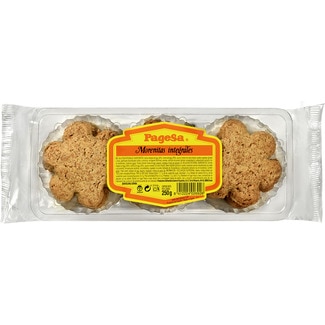
Examples found in ComerClaro Spanish product database
Product names and supermarket data may appear in Spanish.


Classification:
Statistics
249
total views
Something wrong?
If you notice incorrect or incomplete information, help us improve the platform.