Phosphoric acid
Score impact
-0.30
points/product
Description
E338, known as phosphoric acid, is a food additive used mainly as an acidity regulator. It is an inorganic mineral acid with the formula H3PO4. Industrially, it is obtained by two processes: the wet process, which involves treating phosphate rock with sulfuric acid, and the thermal process, which burns elemental phosphorus and hydrates it.
The final product is a colorless, odorless liquid with an acidic taste. Its main function is to acidify foods, enhance flavors, and act as a metal sequestrant.
Historically, its use in foods dates back to the 19th century, and it was approved in the European Union as a food additive after evaluations by EFSA and WHO. The European Food Safety Authority (EFSA) has reassessed its safety several times, establishing an Acceptable Daily Intake (ADI) of 70 mg/kg body weight. WHO also supports this limit. On product labels, it must appear as "phosphoric acid" or "E338".
In general, it is considered safe in authorized amounts, although excessive consumption may be related to certain adverse effects. The food safety of E338 is supported by numerous toxicological studies.
E338 is used in various food categories: non-alcoholic beverages (cola drinks, isotonic drinks), dairy products (processed cheeses, ice cream), canned vegetables, meat products, and sauces.
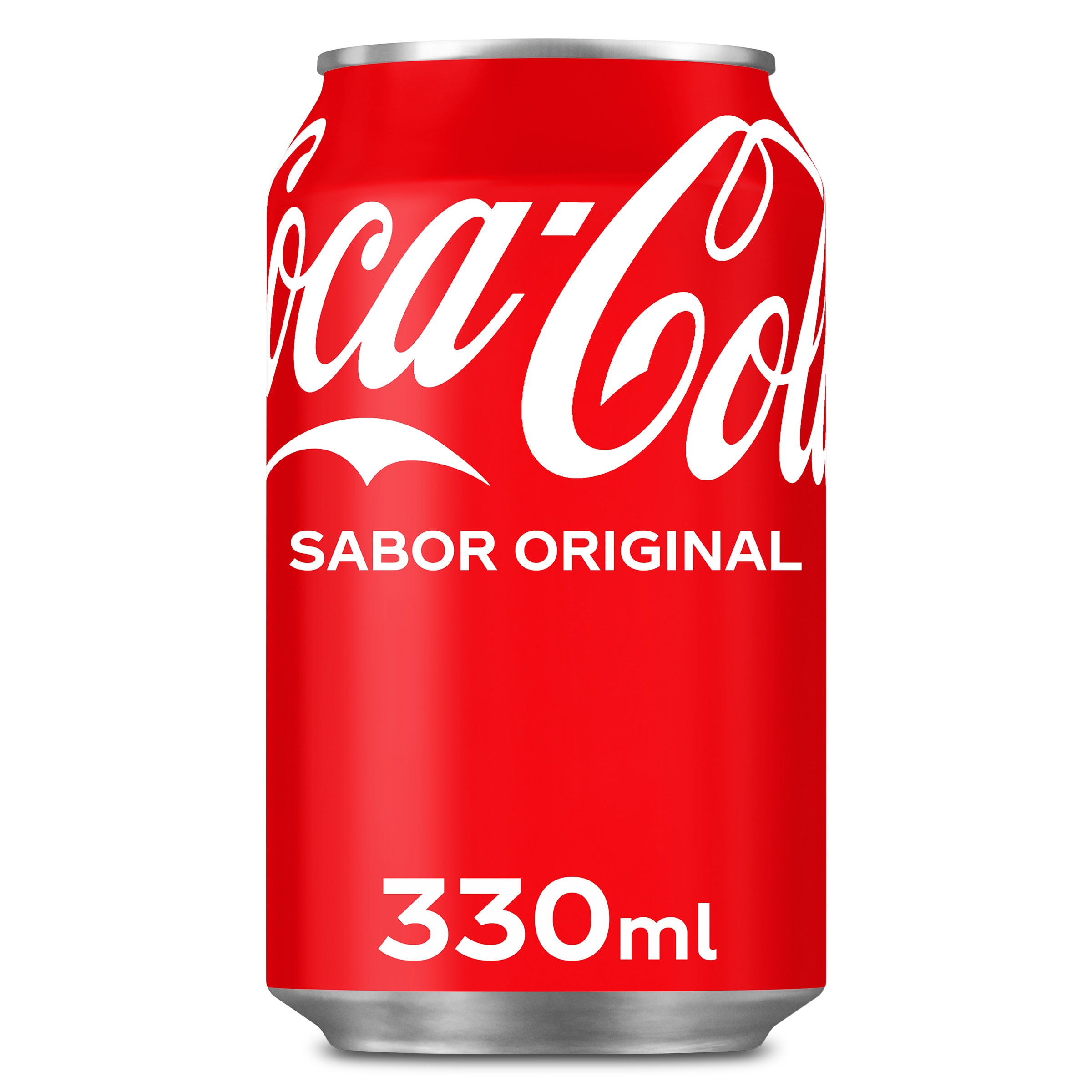
In the Spanish market, it is commonly found in soft drinks such as Coca-Cola, Pepsi, lemon Fanta, and in energy drinks like Red Bull. Regulation EC 1333/2008 sets maximum limits: in non-alcoholic beverages up to 700 mg/kg, in processed cheeses up to 2000 mg/kg, and in canned vegetables up to 500 mg/kg. In the United States, the FDA considers it GRAS (Generally Recognized as Safe) without a specific limit, while Japan also allows it with restrictions similar to the EU.
Documented adverse effects of phosphoric acid are mainly related to excessive and prolonged consumption. Observational studies have associated high phosphate intakes with an increased risk of chronic kidney disease in people with pre-existing kidney failure, and with imbalances in the calcium-phosphorus ratio that could affect bone health.
The biological mechanism involves that excess phosphate can reduce calcium absorption and stimulate parathyroid hormone, increasing bone resorption. Sensitive populations include people with kidney disease, osteoporosis, or those taking calcium supplements. No significant drug interactions have been documented.
EFSA and WHO conclude that, within the ADI of 70 mg/kg/day, E338 does not pose a health risk. However, very high consumption (e.g., more than 1 liter of cola drinks daily) could exceed the ADI and potentially cause adverse effects.
- Orthophosphoric acid
- Concentrated phosphoric acid
- INS 338
Products in our Spanish database containing this additive
Examples found in ComerClaro Spanish product database
Product names and supermarket data may appear in Spanish.

Classification:
Statistics
365
total views
Something wrong?
If you notice incorrect or incomplete information, help us improve the platform.