Sodium phosphates
Score impact
0.00
points/product
Description
The food additive E339, known as sodium phosphates, is a stabilizer widely used in the food industry. It consists of sodium salts of phosphoric acid, including different forms such as monosodium phosphate, disodium phosphate, trisodium phosphate, sodium diphosphate, sodium triphosphate, and sodium polyphosphate. Its origin is mineral, obtained from phosphate rocks treated with sulfuric acid to produce phosphoric acid, which is then neutralized with sodium hydroxide to form the salts.
Industrially, it is obtained through controlled reactions that allow different degrees of polymerization. Physicochemical properties vary depending on the form: they are white, hygroscopic powders, soluble in water, and with alkaline pH. Their main function is to act as a stabilizer, emulsifier, thickener, and sequestrant of metal ions, improving texture and water retention in foods.
Historically, phosphates have been used since the early 20th century, and were approved in the European Union as a safe additive. EFSA (European Food Safety Authority) and WHO (World Health Organization) have evaluated their safety, establishing an Acceptable Daily Intake (ADI) of 70 mg/kg body weight for all phosphates (expressed as phosphorus).
The overall safety assessment is favorable at authorized levels, although it is recommended not to exceed the ADI, especially in people with kidney disease. On labeling, it must appear as 'sodium phosphates' or its E number.
E339 is used in a wide variety of food categories. In meat products and sausages, such as sausages and cooked ham, it improves water retention and texture. In dairy products, such as processed cheeses and desserts, it acts as an emulsifier and stabilizer. It is also found in beverages, soups, sauces, bakery products, and processed potatoes.
In the Spanish market, examples include brands of York ham, sliced cheeses, and potato chips. Authorized limits according to Regulation EC 1333/2008 vary: in processed meats up to 5 g/kg (expressed as P2O5), in processed cheeses up to 20 g/kg, and in beverages up to 0.5 g/L. Comparatively, the FDA allows its use in similar amounts, while Japan has stricter restrictions in some products.
EFSA has confirmed that current exposure levels are below the ADI for most of the population.
Documented adverse effects of E339 are mainly related to excessive phosphate consumption, which can alter the calcium-phosphorus balance and affect bone and kidney health. Studies have associated high phosphate intakes with increased risk of cardiovascular disease and vascular calcification, although the evidence is not conclusive.
The biological mechanism involves excess phosphorus binding to calcium, reducing its absorption and potentially causing hypocalcemia. Sensitive populations include people with chronic kidney disease, as they have difficulty excreting excess phosphorus. No significant interactions with medications have been reported, although antacids containing aluminum may form complexes. EFSA and WHO conclude that E339 is safe at authorized levels, but recommend not exceeding the ADI.
In practice, total dietary exposure to phosphates (natural and added) can be high, so moderation in the consumption of processed foods rich in phosphates is advised.
- Monosodium phosphate
- Disodium phosphate
- Trisodium phosphate
- Sodium orthophosphate
- Sodium diphosphate
- Sodium triphosphate
- Sodium polyphosphate
- INS 339
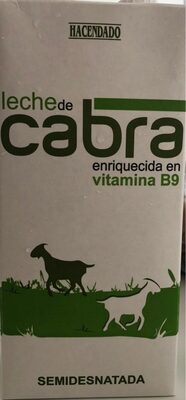
Products in our Spanish database containing this additive
Examples found in ComerClaro Spanish product database
Product names and supermarket data may appear in Spanish.


Classification:
Statistics
233
total views
Something wrong?
If you notice incorrect or incomplete information, help us improve the platform.