Calcium malates
Score impact
0.00
points/product
Description
The food additive E352, known as calcium malates, is a calcium salt of malic acid, an organic acid naturally present in many fruits, especially apples and grapes. It is mainly used as an acidity regulator, pH regulator, and flavor enhancer in a wide variety of food products. Industrially, calcium malate is obtained by neutralizing malic acid with calcium carbonate or calcium hydroxide. Malic acid is produced by fungal fermentation or chemical synthesis.
The resulting product is a white crystalline powder, odorless, with a slightly acidic and salty taste. It is soluble in water and slightly soluble in ethanol. Its main function is to adjust the acidity of foods, providing a fruity and mild flavor, and acting as a buffering agent to maintain stable pH. It can also act as a metal sequestrant and flavor enhancer.
E352 was approved as a food additive in the European Union after evaluations by EFSA (European Food Safety Authority) and WHO (World Health Organization). EFSA established an Acceptable Daily Intake (ADI) of 30 mg/kg body weight for malic acid and its salts, including calcium malate. This ADI is considered safe for the general population, including children and adults. The overall safety assessment indicates that E352 does not pose significant health risks at authorized use levels.
In food labeling, it must appear as 'calcium malates' or 'E352'. The food safety of this additive is supported by numerous toxicological studies that have not shown relevant adverse effects. EFSA has periodically reviewed the data and maintains its approval. Compared to other acidity regulators, calcium malate offers the advantage of providing calcium, albeit in small amounts.
In summary, E352 is a safe and effective additive widely used in the food industry.
E352 is used in various food categories as an acidity regulator and pH regulator. According to Regulation EC 1333/2008, it is authorized in products such as non-alcoholic beverages (soft drinks, juices, nectars), confectionery (candies, chewing gum), desserts (ice cream, jellies), canned fruits and vegetables, sauces and dressings, fine bakery products, and food supplements.
In the Spanish market, it is found in fruit drinks, liquid yogurts, jams, and some industrial bakery products. Maximum use levels vary by category, generally between 0.5 and 5 g/kg, although in some products like beverages it can reach up to 10 g/kg. The FDA (USA) also approves calcium malate as GRAS (Generally Recognized as Safe) for similar uses, without specific limits. In Japan, it is permitted as a food additive.
The versatility of E352 makes it useful for adjusting acidity without significantly altering flavor, providing a mild fruity profile.
Toxicological studies conducted by EFSA and WHO have not documented significant adverse effects associated with the consumption of calcium malates at authorized doses. Malic acid and its salts are metabolized in the body through the Krebs cycle, producing energy and carbon dioxide. No genotoxic, carcinogenic, or teratogenic effects have been observed in animal studies.
In humans, high doses (exceeding the ADI) may cause mild gastrointestinal discomfort such as diarrhea or stomach irritation, due to calcium's ability to interfere with the absorption of other minerals. Sensitive populations include people with kidney insufficiency, as calcium can accumulate, although the amounts provided by the additive are minimal. No relevant drug interactions are known.
EFSA concludes that E352 is safe for the general population, including children, pregnant women, and breastfeeding women, as long as the established limits are respected. WHO supports this conclusion. In summary, there is no evidence of serious side effects, and the additive is considered well tolerated.
- Calcium malate
- Calcium malate
- Calcium malate
- Calcium malate
- Calcium salt of malic acid
- DL-calcium malate
- Calcium malate hydrate
- Calcium salt of hydroxybutanedioic acid
- Dicalcium malate
- Functional calcium malate
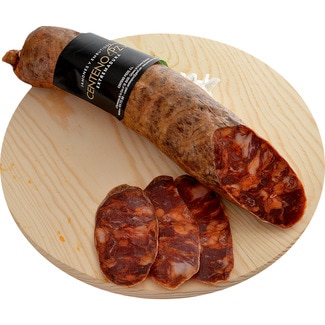
Products in our Spanish database containing this additive
Examples found in ComerClaro Spanish product database
Product names and supermarket data may appear in Spanish.

Classification:
Statistics
200
total views
Something wrong?
If you notice incorrect or incomplete information, help us improve the platform.