Metatartaric acid
Score impact
0.00
points/product
Description
The food additive E353, known as metatartaric acid, is a stabilizer used mainly in the wine and beer industry. It is a polymer of tartaric acid, obtained by controlled heating of the latter. Industrially, it is produced by dehydration and polymerization of tartaric acid at high temperatures (120-150 °C) under vacuum conditions, generating a mixture of esters and anhydrides of tartaric acid.
The final product is an amorphous, hygroscopic solid, white to yellowish in color, soluble in water and ethanol. Its main function is to prevent the precipitation of tartrate salts (potassium bitartrate and calcium tartrate) in wines and beers, thus stabilizing the product against temperature changes.
Historically, metatartaric acid was approved as a food additive in the European Union in 1995, following Directive 95/2/EC, and is currently regulated by Regulation (EC) 1333/2008. The European Food Safety Authority (EFSA) re-evaluated its safety in 2013, concluding that there are no safety concerns at the authorized use levels. The Joint FAO/WHO Expert Committee on Food Additives (JECFA) also evaluated it, establishing that it is not necessary to set an acceptable daily intake (ADI) due to its low toxicity and limited use.
Regarding food safety, E353 is considered safe for consumers, with no documented adverse effects at the doses used. In product labeling, it must appear as "metatartaric acid" or "E353".
E353 is used exclusively as a stabilizer in alcoholic beverages, mainly wines (red, white, and sparkling) and beers. It may also be used in ciders and other fermented beverages.
In the Spanish market, it is commonly found in bottled mid-range and high-end wines, as well as in craft beers that aim to avoid sediment formation. Regulation (EC) 1333/2008 authorizes its use in wines up to a limit of 100 mg/L (expressed as tartaric acid), and in beers up to 50 mg/L. It is not permitted in other foods. Comparatively, the US FDA does not list it as a direct additive but allows its use in imported wines under certain conditions. In Japan, its use is permitted in wines and liquors.
The specificity of its application limits its presence to these products.
No significant adverse effects have been documented associated with the consumption of metatartaric acid at authorized doses. EFSA, in its 2013 re-evaluation, noted that acute and subchronic toxicity studies showed no relevant effects, and there is no evidence of genotoxicity or carcinogenicity.
The mechanism of action is purely physicochemical: metatartaric acid forms complexes with potassium and calcium ions, inhibiting the crystallization of tartrate salts. It is not significantly absorbed in the gastrointestinal tract, so its bioavailability is very low. Sensitive populations (allergic, intolerant) do not show specific reactions. No interactions with medications are known. WHO/JECFA concluded that it is not necessary to establish an ADI, as dietary exposure is very low and does not pose a health risk.
In summary, E353 is considered safe under the authorized conditions of use.
- INS 353
- Polymerized tartaric acid
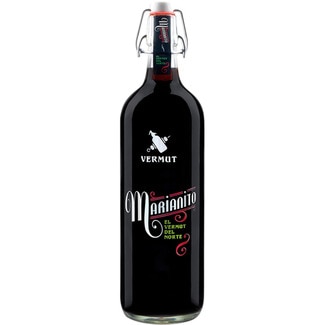
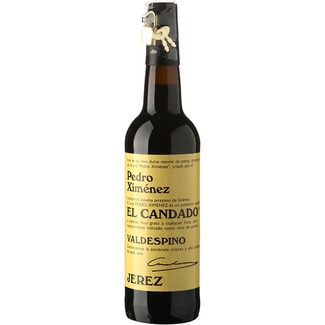
Products in our Spanish database containing this additive
Examples found in ComerClaro Spanish product database
Product names and supermarket data may appear in Spanish.

Classification:
Statistics
192
total views
Something wrong?
If you notice incorrect or incomplete information, help us improve the platform.