Tara gum
Score impact
0.00
points/product
Description
Tara gum, identified as E417, is a food additive primarily used as a thickener, stabilizer, and gelling agent. It is obtained from the endosperm of the seeds of the tara tree (Caesalpinia spinosa), a leguminous tree native to Peru and Bolivia. Industrially, the seeds are lightly roasted to facilitate hull separation, then ground and sieved to obtain a fine powder ranging from white to yellowish.
Tara gum is a polysaccharide composed mainly of galactomannans, with a mannose-to-galactose ratio of approximately 3:1. It is soluble in cold water and forms viscous solutions; its viscosity is stable over a wide pH range (3-11) and resistant to salt. It works synergistically with other gums such as xanthan or carrageenan to improve texture.
Historically, tara gum has been used in the food industry since the 1980s. It was approved as an additive in the European Union in 1995 (Directive 95/2/EC) and later included in Regulation (EC) 1333/2008. The European Food Safety Authority (EFSA) re-evaluated tara gum in 2017 (EFSA Journal 2017;15(6):4863) and concluded that it is not necessary to set an acceptable daily intake (ADI) because it shows no toxicity at the proposed usage levels.
The World Health Organization (WHO) and the Joint FAO/WHO Expert Committee on Food Additives (JECFA) also consider it safe, with an ADI 'not specified'. Regarding food safety, tara gum is considered a safe additive for the general population, with no known adverse effects at the amounts used. On labels, it must appear as 'tara gum' or 'E417' in the ingredient list.
It is important to note that tara gum should not be confused with guar gum (E412) or locust bean gum (E410), although they share similar properties.
Tara gum is used in a wide variety of food categories as a thickener, stabilizer, and gelling agent. According to Regulation (EC) 1333/2008, it is authorized in numerous products with quantitative limits varying by category. For example, in fermented dairy products (such as yogurts) and dairy desserts, it is allowed up to 5 g/kg. In ice cream, sorbets, and similar products, the limit is 10 g/kg. In sauces, seasonings, and dressings, it is allowed up to 20 g/kg. It is also used in fine bakery products, fruit fillings, and milk-based beverages.
In the Spanish market, it is found in brands such as 'Danone' (yogurts), 'Haagen-Dazs' (ice cream), 'Heinz' (sauces), and 'Bimbo' (sandwich bread). Compared to the US FDA, tara gum is classified as GRAS (Generally Recognized as Safe) and is allowed in foods under good manufacturing practices, without specific limits. In Japan, it is also approved as a thickener.
The versatility of tara gum makes it popular in gluten-free products, where it improves texture and moisture retention.
Tara gum is considered safe for human consumption at the levels used as a food additive. EFSA, in its 2017 re-evaluation, concluded that there is no evidence of acute, subchronic, chronic, genotoxic, carcinogenic, or reproductive toxicity. Animal studies showed no significant adverse effects even at high doses.
In humans, no adverse side effects attributable to tara gum consumption have been documented. As a non-digestible polysaccharide, it may act as dietary fiber, but in very high amounts (far above usage levels) it could cause mild gastrointestinal discomfort such as bloating or flatulence, similar to other soluble fibers.
No specific sensitive populations have been identified, although individuals with rare legume allergies could react, but no cases have been reported. No interactions with medications are known. WHO/JECFA also considers it safe and did not establish a numerical ADI, indicating no health risk at current usage levels.
In conclusion, tara gum is a well-tolerated and safe additive.
- Tara gum
- Peruvian carob gum
- Caesalpinia spinosa gum
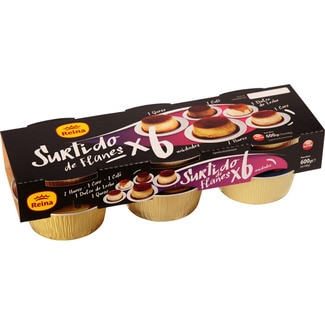
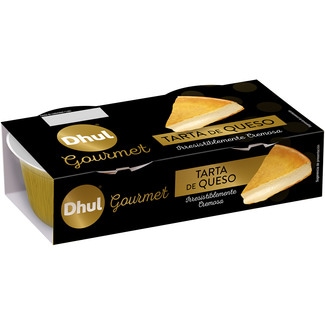
Products in our Spanish database containing this additive
Examples found in ComerClaro Spanish product database
Product names and supermarket data may appear in Spanish.

Classification:
Statistics
194
total views
Something wrong?
If you notice incorrect or incomplete information, help us improve the platform.