Gellan gum
Score impact
0.00
points/product
Description
Gellan gum (E418) is a food additive gelling agent produced by bacterial fermentation of the strain Sphingomonas elodea (formerly Pseudomonas elodea).
It was discovered in 1978 by researchers at the company Kelco (USA) and approved in the EU in 1996. Industrially, it is obtained by aerobic fermentation in a carbohydrate-containing medium, followed by recovery via precipitation with isopropyl alcohol, drying, and milling. There are two forms: high-acyl gellan gum (soft, elastic gel) and low-acyl gellan gum (firm, brittle gel). Chemically, it is a linear heteropolysaccharide composed of repeating units of glucose, glucuronic acid, and rhamnose, with acyl groups (glycerate and acetate) in the high-acyl form. Its main function is to gel, stabilize, and thicken, forming thermoreversible gels that are stable to heat and acidic pH.
The European Food Safety Authority (EFSA) has evaluated gellan gum on several occasions, establishing an Acceptable Daily Intake (ADI) 'not specified', indicating no health risk at typical usage levels. WHO/FAO also considers it safe. On labels, it must be listed as 'gellan gum' or 'E418'. No significant adverse effects in humans have been reported, and its toxicological profile is favorable.
Gellan gum is used in a wide variety of foods according to Regulation EC 1333/2008. Its main categories are: dairy desserts (yogurts, flans, custards), plant-based beverages (soy, almond milks), jams and marmalades, bakery products (fillings, glazes), sauces and dressings, ice creams, and processed meat products.
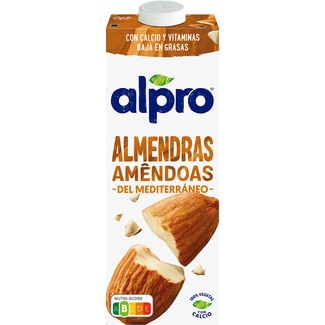
In Spain, it is found in brands such as Danone (desserts), Central Lechera (custards), and plant-based beverages from Alpro or Yosoy. Authorized limits vary by category: for example, in dairy desserts up to 10 g/kg, in plant-based beverages up to 5 g/kg, and in jams up to 10 g/kg. Compared to the FDA, which also approves it as GRAS (Generally Recognized as Safe) without specific limits, the EU sets maximum limits for certain products. Japan also permits it without significant restrictions.
Its popularity is due to forming clear, heat- and acid-stable gels, requiring low concentrations (0.1-0.5%) to gel.
Toxicological studies conducted by EFSA and WHO have found no significant adverse effects associated with the consumption of gellan gum at authorized doses. In animal trials, high doses (up to 5000 mg/kg body weight) showed no acute or chronic toxicity. No carcinogenic, genotoxic, or teratogenic effects have been documented.
In humans, some digestive tolerance studies indicate that high doses (above 10 g/day) could cause mild gastrointestinal discomfort such as flatulence or abdominal distension, due to fermentation by the gut microbiota, but these effects are rare at food usage levels. No specific sensitive populations have been identified, although individuals with severe digestive disorders might experience discomfort. No interactions with medications are known.
EFSA concludes that gellan gum is safe for the general population, including children and the elderly, and does not set a numerical ADI due to its low toxicity. WHO also classifies it as 'not limited' in terms of acceptable daily intake.
- High-acyl gellan gum
- Low-acyl gellan gum
- Gellan gum type A
- Gellan gum type B
- Polysaccharide S-60
Products in our Spanish database containing this additive
Examples found in ComerClaro Spanish product database
Product names and supermarket data may appear in Spanish.

Classification:
Statistics
239
total views
Something wrong?
If you notice incorrect or incomplete information, help us improve the platform.