Sorbitols
Score impact
0.00
points/product
Description
The food additive E420, known as sorbitols, includes sorbitol (E420(i)) and sorbitol syrup (E420(ii)). It is a bulk sweetener and humectant widely used in the food industry. Sorbitol is a polyol (sugar alcohol) naturally found in fruits such as apples, pears, and plums, but commercially it is obtained by catalytic hydrogenation of glucose derived from corn or wheat starch. The process involves reducing the aldehyde group of glucose to a hydroxyl group, yielding sorbitol.
Sorbitol syrup is a mixture of sorbitol, maltitol, and other polyols. Physically, sorbitol is a white crystalline powder, hygroscopic, with a sweetening power of 60% compared to sugar (sucrose) and a caloric value of 2.6 kcal/g (versus 4 kcal/g for sugar). Its main function is to sweeten, but it also acts as a humectant (retains moisture), texturizer, and bulking agent in sugar-free products.
In the European Union, it was approved as a food additive after evaluations by EFSA (European Food Safety Authority) and JECFA (Joint FAO/WHO Expert Committee on Food Additives). EFSA established an Acceptable Daily Intake (ADI) of "not specified," meaning it is not considered a health risk at usual consumption levels, although moderation is recommended due to its laxative effect. WHO also considers it safe.
On labeling, it must appear as "sorbitol" or "sorbitol syrup," or with its E number. It is safe for the general population, but people with polyol intolerance or irritable bowel syndrome should limit their intake.
E420 is used in a wide variety of foods as a sweetener and humectant. According to Regulation EC 1333/2008, it is authorized in: sugar-free confectionery (chewing gum, candies, chocolates), desserts, ice cream, jams, bakery products, sugar-free soft drinks, and food supplements.
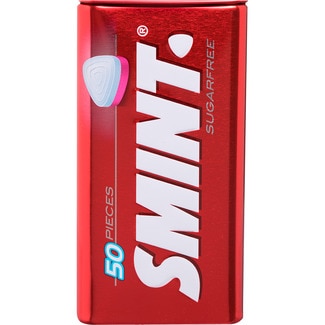
In the Spanish market, it is found in sugar-free chewing gum (e.g., Orbit, Trident), sugar-free hard candies (e.g., Smint), diabetic chocolates, and some light ice creams. Usage limits vary by category: in chewing gum it can be up to 100% of the product (as a bulk sweetener), while in beverages the limit is 30 g/L.
In the United States, the FDA considers it GRAS (Generally Recognized as Safe) and has no specific limits, but warning labeling is required if consumption may exceed 50 g/day due to its laxative effect. In Japan, it is also approved without significant restrictions. Comparatively, the EU is more restrictive in warning labeling for products containing more than 10% added polyols, indicating "excessive consumption may have laxative effects."
The side effects of E420 are well documented and are mainly gastrointestinal. Sorbitol is not completely absorbed in the small intestine; it reaches the colon where it is fermented by bacteria, producing gas and attracting water by osmosis, which can cause diarrhea, flatulence, and abdominal distension. The laxative threshold is around 20-50 g/day in adults, although it varies depending on individual sensitivity.
An EFSA study (2011) confirmed that doses above 10 g/day can cause discomfort in sensitive individuals. At-risk populations include people with irritable bowel syndrome (IBS), inflammatory bowel disease, or hereditary fructose intolerance (since sorbitol is metabolized to fructose). No significant drug interactions have been documented, although it could interfere with the absorption of some medications if consumed in large amounts.
EFSA and WHO conclude that, at usual consumption levels (less than 20 g/day), sorbitol is safe for the general population. It is not carcinogenic or teratogenic. To minimize risks, it is recommended not to exceed 50 g/day and to read labels on sugar-free products.
- Sorbitol
- Sorbitol syrup
- Glucitol
- D-glucitol
- Sorbol
Products in our Spanish database containing this additive
Examples found in ComerClaro Spanish product database
Product names and supermarket data may appear in Spanish.

Classification:
Statistics
315
total views
Something wrong?
If you notice incorrect or incomplete information, help us improve the platform.