Cross-linked sodium carboxymethyl cellulose
Score impact
0.00
points/product
Description
E468, or cross-linked sodium carboxymethyl cellulose, is a food additive used as a thickener, stabilizer, and water retention agent. It is obtained from natural cellulose, which is chemically modified to introduce carboxymethyl groups and subsequently cross-linked to increase its molecular weight and viscosity. Industrially, cellulose is treated with monochloroacetic acid in the presence of sodium hydroxide, and then cross-linked with agents such as epichlorohydrin.
The result is a white or slightly yellowish powder, hygroscopic, soluble in cold and hot water forming viscous gels. Its main function is to thicken and stabilize emulsions, preventing phase separation.
It was approved as a food additive in the European Union after evaluations by EFSA (European Food Safety Authority) and WHO (World Health Organization). EFSA established an Acceptable Daily Intake (ADI) of "not specified," indicating that it is not considered a health risk in the amounts normally consumed. WHO, through the Joint FAO/WHO Expert Committee on Food Additives (JECFA), also evaluated it and concluded it is safe. On labeling, it must appear as "cross-linked sodium carboxymethyl cellulose" or with its E number.
The food safety of E468 is supported by numerous toxicological studies that have not shown significant adverse effects in humans. It is used in a wide variety of products, from sauces to baked goods, always within the limits established by Regulation EC 1333/2008. In summary, E468 is a safe and effective additive, widely accepted in the food industry.
E468 is used as a thickener, stabilizer, and water retention agent in various food categories. According to Regulation EC 1333/2008, it is authorized in products such as sauces, soups, creams, dairy desserts, ice cream, bakery and pastry products, fruit-based beverages, and dietetic foods.
In the Spanish market, it is found in brands such as Hacendado (tomato sauces), Danone (yogurts), Bimbo (sliced bread), and Nestlé (desserts). Maximum limits vary by category: for example, in emulsified sauces it can be up to 10 g/kg, while in bakery products it is usually 5 g/kg. Compared to the FDA, which also approves it (as sodium carboxymethyl cellulose), uses are similar, although in Japan it is allowed with additional restrictions in certain foods.
The versatility of E468 allows its use in low-fat products to improve texture, and in frozen foods to prevent ice crystal formation.
Toxicological studies conducted by EFSA and WHO have not documented significant adverse effects in humans when consumed within established limits. The ADI "not specified" indicates that no intake level posing a risk has been identified.
In some animal studies, very high doses (above 5000 mg/kg body weight) have caused mild laxative effects due to non-digestible fiber, but these doses are far higher than those ingested by humans. No allergies, genetic toxicity, carcinogenicity, or reproductive effects have been reported. Sensitive populations, such as people with severe gastrointestinal disorders, might experience discomfort if consuming large amounts, but there is no evidence of specific risks. No interactions with medications are known. EFSA concludes that E468 is safe for the general population, including children and the elderly.
In conclusion, the additive is considered safe and well tolerated.
- Cross-linked cellulose gum
- Cross-linked cellulose gum
- Cross-linked CMC
- Cross-linked sodium carboxymethyl cellulose
- Cross-linked sodium carboxymethyl cellulose
- INS 468
- Croscarmellose sodium
- Croscarmellose sodium
- Cross-linked cellulose gum
- Sodium salt of an internally cross-linked carboxymethyl cellulose ether
- Insoluble sodium carboxymethyl cellulose
- Cross-linked cellulose disintegrant
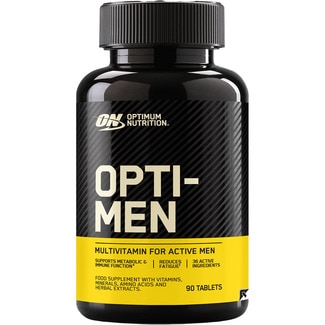
Products in our Spanish database containing this additive
Examples found in ComerClaro Spanish product database
Product names and supermarket data may appear in Spanish.
Classification:
Statistics
197
total views
Something wrong?
If you notice incorrect or incomplete information, help us improve the platform.