Mono- and diacetyltartaric acid esters of mono- and diglycerides of fatty acids
Score impact
0.00
points/product
Description
The food additive E472E, known as mono- and diacetyltartaric acid esters of mono- and diglycerides of fatty acids, is an emulsifier widely used in the food industry. It belongs to the group of tartaric and acetic acid esters of mono- and diglycerides and is obtained by esterification of mono- and diglycerides of fatty acids with tartaric acid and acetic anhydride.
Industrially, it is produced from edible fats and oils, usually of vegetable origin, although it may also derive from animal sources. The process involves the reaction of mono- and diglycerides with tartaric acid and acetic anhydride under controlled conditions, followed by purification. From a physicochemical standpoint, E472E is a waxy solid or viscous liquid ranging from pale yellow to light brown, soluble in fats and oils, and insoluble in water. Its main function is to stabilize emulsions, improve texture, and extend the shelf life of products.
Historically, it was approved as a food additive in the European Union after evaluations by the European Food Safety Authority (EFSA) and the Joint FAO/WHO Expert Committee on Food Additives (JECFA). EFSA has established an Acceptable Daily Intake (ADI) of 30 mg/kg body weight for the group of mono- and diglycerides of fatty acids esterified with acetic and tartaric acid (E472e, E472f).
The overall safety assessment indicates that E472E is safe for human consumption at authorized levels. In labeling, it must appear as 'E472E' or with its full name, and it is permitted in a wide variety of foods, including bakery products, dairy products, sauces, and confectionery.
E472E is mainly used as an emulsifier in the food industry. According to Regulation EC 1333/2008, it is authorized in numerous food categories, such as fine bakery products (e.g., sliced bread, pastries), dairy products (creams, ice cream), emulsified sauces (mayonnaise, dressings), confectionery (chocolates, candies), and beverages.
In the Spanish market, it is found in brands of sliced bread, cookies, cocoa creams, and margarines. Maximum limits vary by product; for example, in fine bakery products it can be up to 10 g/kg, while in ice cream the limit is 5 g/kg. Comparatively, the US FDA considers it GRAS (Generally Recognized As Safe) for similar uses, although it does not have a specific E number. In Japan, it is also permitted under certain regulations.
Its versatility makes it a key additive for improving the texture and stability of processed foods.
Toxicological studies conducted by EFSA and JECFA have not documented significant adverse effects associated with the consumption of E472E at authorized doses. The ADI of 30 mg/kg body weight was established with a wide safety margin. No carcinogenic, genotoxic, or teratogenic effects have been identified in animal studies.
In humans, there is no evidence of specific allergic reactions, although individuals sensitive to tartaric acid esters might experience mild digestive discomfort if consumed in excess. No interactions with medications are known.
EFSA concludes that E472E is safe for the general population, including children and adults. However, as with any additive, excessive consumption could contribute to high caloric intake if associated with processed foods rich in fats and sugars.
- Monoacetyltartaric and diacetyltartaric acid esters of mono- and diglycerides of fatty acids
- DATEM
- mono- and diacetyltartaric acid esters of mono- and diglycerides of fatty acids
Products in our Spanish database containing this additive
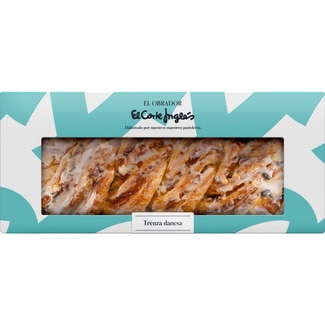
Examples found in ComerClaro Spanish product database
Product names and supermarket data may appear in Spanish.


Classification:
Statistics
242
total views
Something wrong?
If you notice incorrect or incomplete information, help us improve the platform.