Sucrose esters of fatty acids
Score impact
0.00
points/product
Description
E473, known as sucrose esters of fatty acids or sucroglycerides, is an emulsifying food additive obtained by esterification of sucrose with fatty acids of vegetable origin (usually palm, coconut, or soybean oil).
Industrially, it is produced by transesterification of sucrose with triglycerides or methyl esters of fatty acids in the presence of a catalyst, followed by purification. It is a white or yellowish solid, soluble in water and ethanol, with surfactant properties that reduce interfacial tension between immiscible phases. Its main function is to stabilize emulsions, improve texture, and prevent ingredient separation.
It was approved as a food additive in the European Union after EFSA evaluations, which established an Acceptable Daily Intake (ADI) of 0-40 mg/kg body weight. The WHO has also evaluated it and considers it safe at authorized doses.
Its safety has been supported by multiple toxicological studies showing no significant adverse effects. On food labels, it must be listed as "E473" or "sucrose esters of fatty acids."
It is important to note that, although considered safe, some consumers may prefer to avoid it due to its origin (possibly from palm oil) or production processes that generate by-products such as 2-MCPD, although levels in foods are low and do not pose a health risk according to EFSA.
E473 is used in a wide variety of food categories as an emulsifier, stabilizer, and texturizing agent. According to EC Regulation 1333/2008, it is authorized in fine bakery products (cakes, cookies), cocoa and chocolate products, ice cream, dairy desserts, emulsified sauces, non-alcoholic beverages, food supplements, and confectionery.
In the Spanish market, it is found in Maria-type cookies, milk chocolate, vanilla ice cream, custards, and salad dressings. Maximum limits vary by category: for example, 10 g/kg in fine bakery products, 5 g/kg in ice cream, and 3 g/kg in chocolates. In the United States, the FDA considers it GRAS (Generally Recognized as Safe) for similar uses, with no specific limits beyond good manufacturing practices. In Japan, it is also approved with similar restrictions. Comparatively, the EU has more detailed limits per category, while the FDA allows more flexible use.
Toxicological studies conducted by EFSA and WHO have not documented significant adverse effects associated with the consumption of E473 at authorized doses. The ADI of 0-40 mg/kg body weight is based on subchronic and chronic toxicity studies in animals, where no adverse effects were observed even at high doses. No specific allergic reactions have been reported, although individuals with allergies to fatty acids of vegetable origin (such as palm or soy) could be sensitive, but this is extremely rare.
No interactions with medications are known. Regarding sensitive populations, infants and young children may be exposed through processed foods, but levels are within safe limits. EFSA concludes there is no safety concern for the general population. However, there is controversy over the possible presence of contaminants such as 2-MCPD and 3-MCPD esters, formed during the processing of vegetable oils.
EFSA has evaluated these contaminants and established exposure limits, but levels in E473 are low and do not exceed risk thresholds.
In summary, E473 is considered safe under authorized conditions of use.
- Sucroglycerides
- Sucrose esters of fatty acids
- Sucroesters
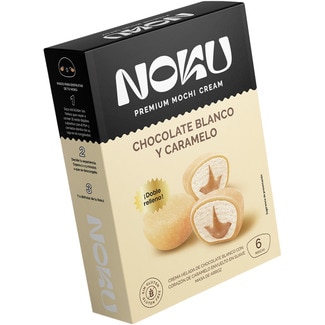
Products in our Spanish database containing this additive
Examples found in ComerClaro Spanish product database
Product names and supermarket data may appear in Spanish.


Classification:
Statistics
235
total views
Something wrong?
If you notice incorrect or incomplete information, help us improve the platform.