Sodium and Calcium Stearoyl Lactylate
Score impact
0.00
points/product
Description
The food additive E481, known as sodium or calcium stearoyl-2-lactylate, is an emulsifier widely used in the food industry. It is a mixture of sodium and calcium salts of stearoyl-2-lactic acid, obtained from stearic acid (fats) and lactic acid. Industrially, it is produced by esterification of stearic acid with lactic acid, followed by neutralization with sodium or calcium hydroxide.
It is a white to cream-colored powder, soluble in hot water, with emulsifying and stabilizing properties. Its main function is to improve the texture, volume, and shelf life of baked goods, as well as to stabilize emulsions in dairy products and sauces.
It was approved as a food additive in the European Union after evaluations by EFSA and JECFA (WHO). The Acceptable Daily Intake (ADI) established is 0-20 mg/kg body weight. EFSA re-evaluated its safety in 2017, confirming that it poses no health risks at authorized use levels.
On labels, it appears as E481 or with its full name. It is considered a safe additive with no significant adverse effects documented in humans.
E481 is mainly used in bakery, pastries, and cereal products to improve texture, volume, and crumb. It is also used in dairy products such as creams, ice cream, and desserts, as well as in sauces, margarines, and processed meat products.
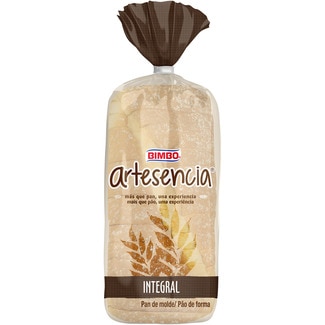
In the Spanish market, it is found in sliced bread, buns, cookies, spreads, and some ice creams. Authorized limits according to EC Regulation 1333/2008 vary: in fine bakery wares up to 5 g/kg, in ordinary bakery products up to 3 g/kg, in creams and dairy desserts up to 5 g/kg, and in emulsified sauces up to 10 g/kg. The FDA classifies it as GRAS (Generally Recognized as Safe) and allows its use in similar amounts. Japan also authorizes it with analogous restrictions.
No significant adverse side effects in humans have been documented associated with the consumption of E481 at authorized doses. EFSA and JECFA have evaluated its safety and conclude that it is not toxic, genotoxic, or carcinogenic.
Animal studies with high doses (far above the ADI) showed only minor effects such as diarrhea or changes in gut microbiota, with no relevance to human consumption. No specific sensitive populations or interactions with medications have been identified. The ADI of 20 mg/kg/day provides a wide safety margin.
Therefore, it is considered a safe additive for the general population.
- Sodium stearoyl lactylate
- Calcium stearoyl lactylate
- Sodium stearoyl-2-lactylate
- Calcium stearoyl-2-lactylate
- SSL
- CSL
Products in our Spanish database containing this additive
Examples found in ComerClaro Spanish product database
Product names and supermarket data may appear in Spanish.


Classification:
Statistics
339
total views
Something wrong?
If you notice incorrect or incomplete information, help us improve the platform.